

Quick answer: 100 Days of Deception shares several broad ingredients with Mr. Sunshine: Korean history under foreign rule, dangerous loyalties, romance shaped by politics, and characters forced to choose between survival and conviction. But it is not simply the next Mr. Sunshine. Its 1932 Gyeongseong setting, undercover-spy mission, and pickpocket heroine give it a different engine: suspense built around secrets, infiltration, and a 100-day deadline.
Netflix lists 100 Days of Deception as a 2026 Korean period drama starring Kim You-jung, Park Jin-young, and Kim Hyun-joo. Its official synopsis follows a skilled pickpocket who infiltrates the Japanese colonial government and becomes entangled with the son of her target. That premise naturally invites comparisons with historical Korean dramas that place intimate relationships inside larger struggles for identity and freedom.
Why the comparison with Mr. Sunshine makes sense
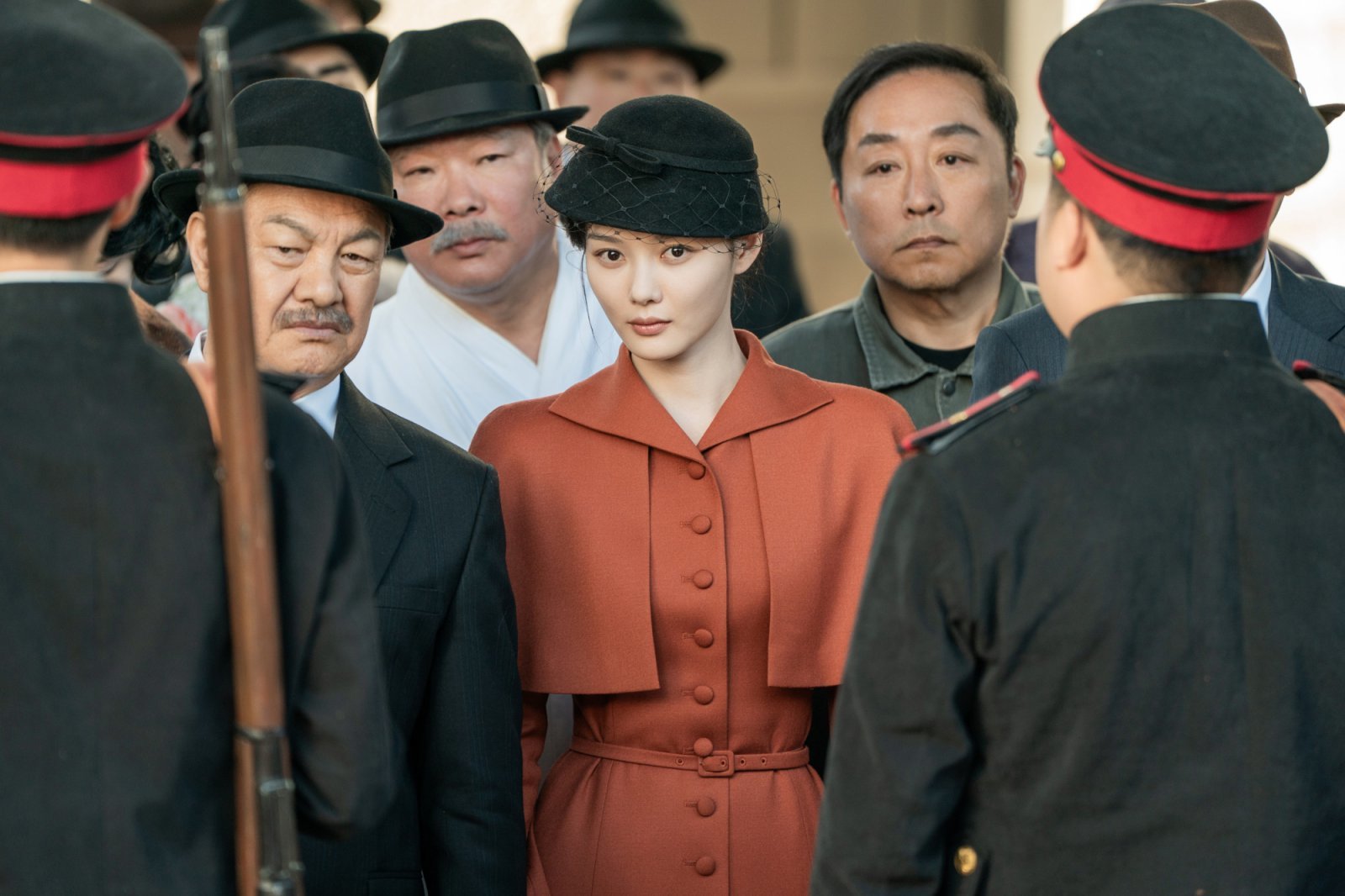
Mr. Sunshine, set around the late nineteenth century and the growing pressure on Korea, uses a personal love story to explore patriotism, class, sacrifice, and the cost of resisting outside power. Netflix’s own description places its central romance against a scheme to colonize Korea. 100 Days of Deception approaches a related historical wound from a later period: 1932, during Japanese colonial rule, when the fictional characters’ choices are shaped by surveillance, political repression, and the independence movement.
The common ground is not that the shows tell the same story. It is that neither treats history as a decorative backdrop. The political world affects who can trust whom, what a character can safely say, and how much a relationship may cost. Romance in that setting cannot be separated neatly from questions of allegiance and personal risk.

The biggest difference: a spy mission with a clock ticking
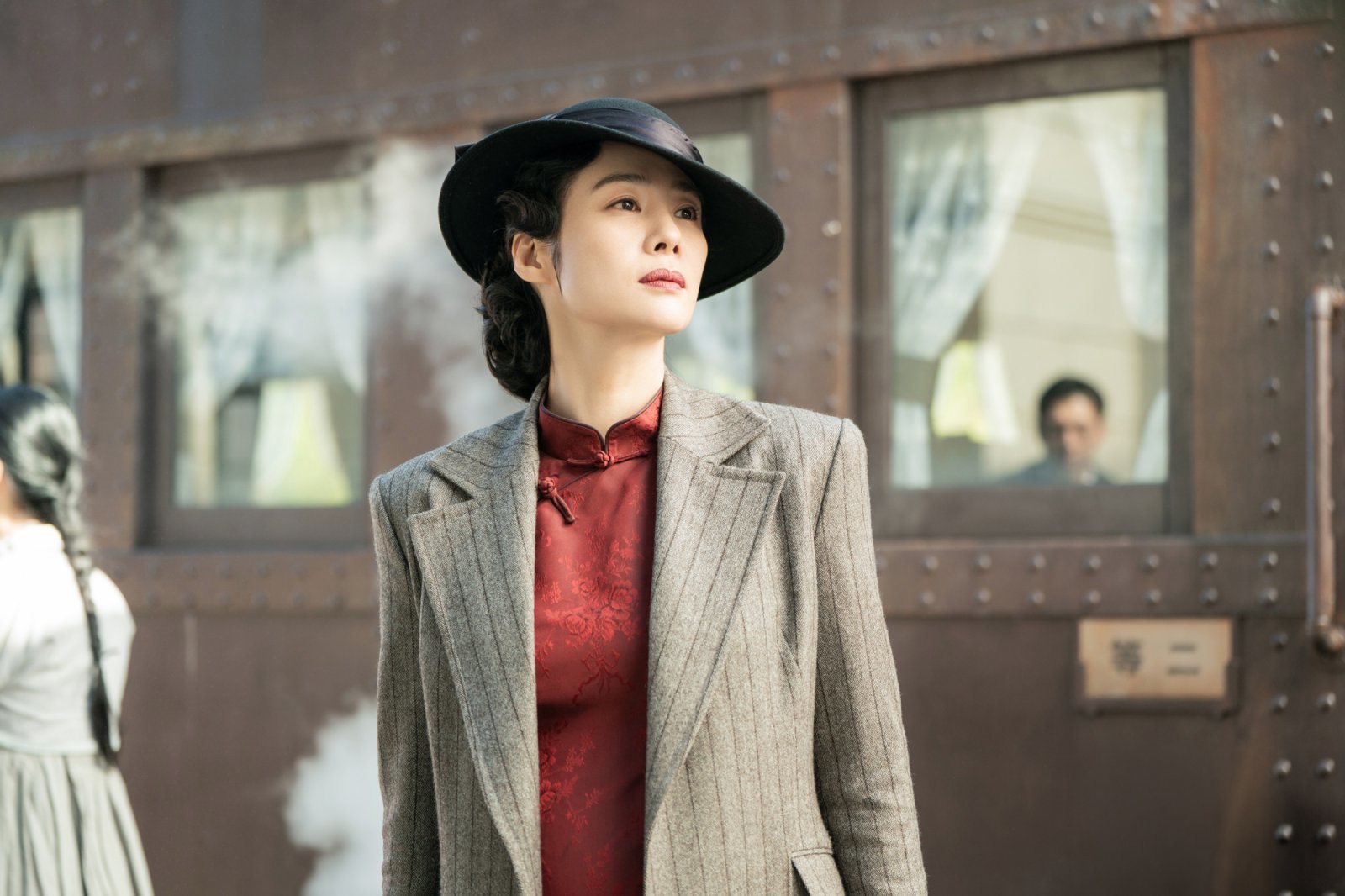
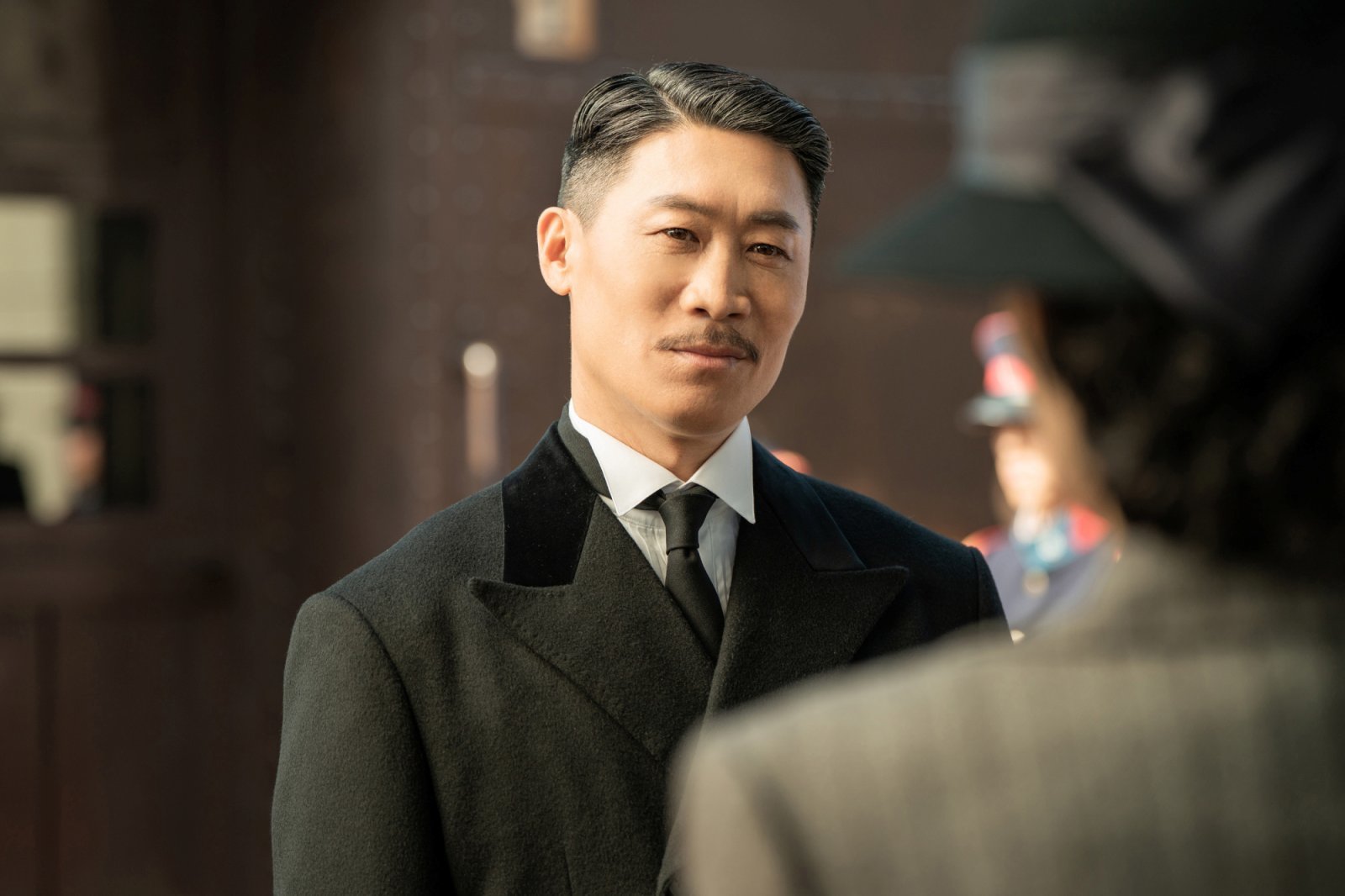
The clearest distinction is structure. 100 Days of Deception gives its heroine a defined undercover assignment. Lee Ga-gyeong is a pickpocket who enters the colonial administration under a cover identity, while her connection to interpreter Kim Tae-woong—also known as Sato Hideo—creates a conflict between the mission and her growing personal ties. The 100-day window gives the story a built-in source of pressure: every new piece of information can move the operation forward or expose the people involved.
That makes the series closer in rhythm to an espionage thriller than a conventional historical melodrama. A romance may deepen gradually, but the characters cannot simply step away from their political circumstances when things become difficult. Their secrets are part of the plot machinery, not just obstacles to a love story.
Both dramas put personal choices inside a national crisis
In stories set during occupation, resistance is rarely presented as an easy, abstract choice. Characters may be driven by grief, loyalty, family ties, fear, or a desire to escape. The premise of 100 Days of Deception places Ga-gyeong’s ambition for a different life beside a mission that could endanger her. Other characters have their own motives, including revenge and political commitment. Those competing motivations can make the drama morally tense: a person may be useful to the cause and still be difficult to trust.
This is also where comparisons with Mr. Sunshine need care. Similar historical themes do not automatically mean the same emotional depth, writing quality, or cultural impact. Mr. Sunshine built its reputation through its particular characters, performances, visual language, and treatment of its period. A newer series must earn its own standing scene by scene rather than inherit it through a familiar setting.

What could help 100 Days of Deception stand on its own?
- A distinct heroine: A pickpocket’s practical instincts and street knowledge can create a different kind of lead from the aristocratic or soldier-centered figures often seen in historical romance.
- Identity under pressure: The relationship between Ga-gyeong and Hideo is complicated by aliases, institutional power, and concealed loyalties.
- A tighter suspense framework: The 100-day mission can give episodes clear turning points if the show uses its deadline consistently.
- A wider network of motives: Supporting characters’ political and personal goals can make the story more than a two-person romance.
- Historical context with consequences: The colonial setting carries real historical weight. The drama is strongest when it treats that history seriously rather than using it only to heighten romantic tension.
Is it fair to call it the new Mr. Sunshine?
As shorthand for a historical Korean drama combining romance, political danger, and questions of national identity, the comparison is understandable. As a verdict on quality or legacy, it is premature. The more useful question is whether 100 Days of Deception can make its characters’ choices feel consequential, keep the espionage plot coherent, and balance romance with the realities of its setting.
Professional coverage has pointed to parallels with Mr. Sunshine and other period stories, while noting that 100 Days of Deception has a dense web of characters and secrets. That is a promising starting point, not proof that the new series has already matched its predecessor. Viewers should judge it on the strength of its execution rather than a headline-sized comparison.
Where to watch and follow official updates
Netflix lists 100 Days of Deception in its Korean period-drama catalog. Availability and release timing can vary by country, so check the official Netflix title page for current local details. For cast stills and drama announcements, see Soompi’s report on the first stills.
Frequently asked questions
Is 100 Days of Deception similar to Mr. Sunshine?
They share broad themes: Korean history under foreign rule, romance shaped by political conflict, and characters facing difficult questions of loyalty. Their plots, periods, and narrative structures are different.
Is 100 Days of Deception a remake of Mr. Sunshine?
No official source cited here describes it as a remake. It is a separate historical spy-romance series with its own characters and premise.
What is 100 Days of Deception about?
Netflix describes a skilled pickpocket who infiltrates the Japanese colonial government to steal secrets and becomes romantically involved with her target’s son. The story is set in 1932 Gyeongseong.
Who stars in 100 Days of Deception?
The principal cast listed by Netflix includes Kim You-jung, Park Jin-young, and Kim Hyun-joo, alongside Lee Moo-saeng and Jin Seon-kyu.
Why are viewers likely to compare the two dramas?
Both combine a historical setting with personal relationships and political danger. The comparison is a useful starting point, but it does not establish that the newer drama will have the same reception or long-term legacy.
Sources
- Netflix: 100 Days of Deception — official synopsis and cast
- About Netflix: Mr. Sunshine overview
- Soompi: First cast stills and premise
- Decider: Review and comparisons with other period dramas
Author: Shivam Das


