

By Shivam Das | Updated October 13, 2026
Spoilers for Episode 2 of 100 Days of Deception.
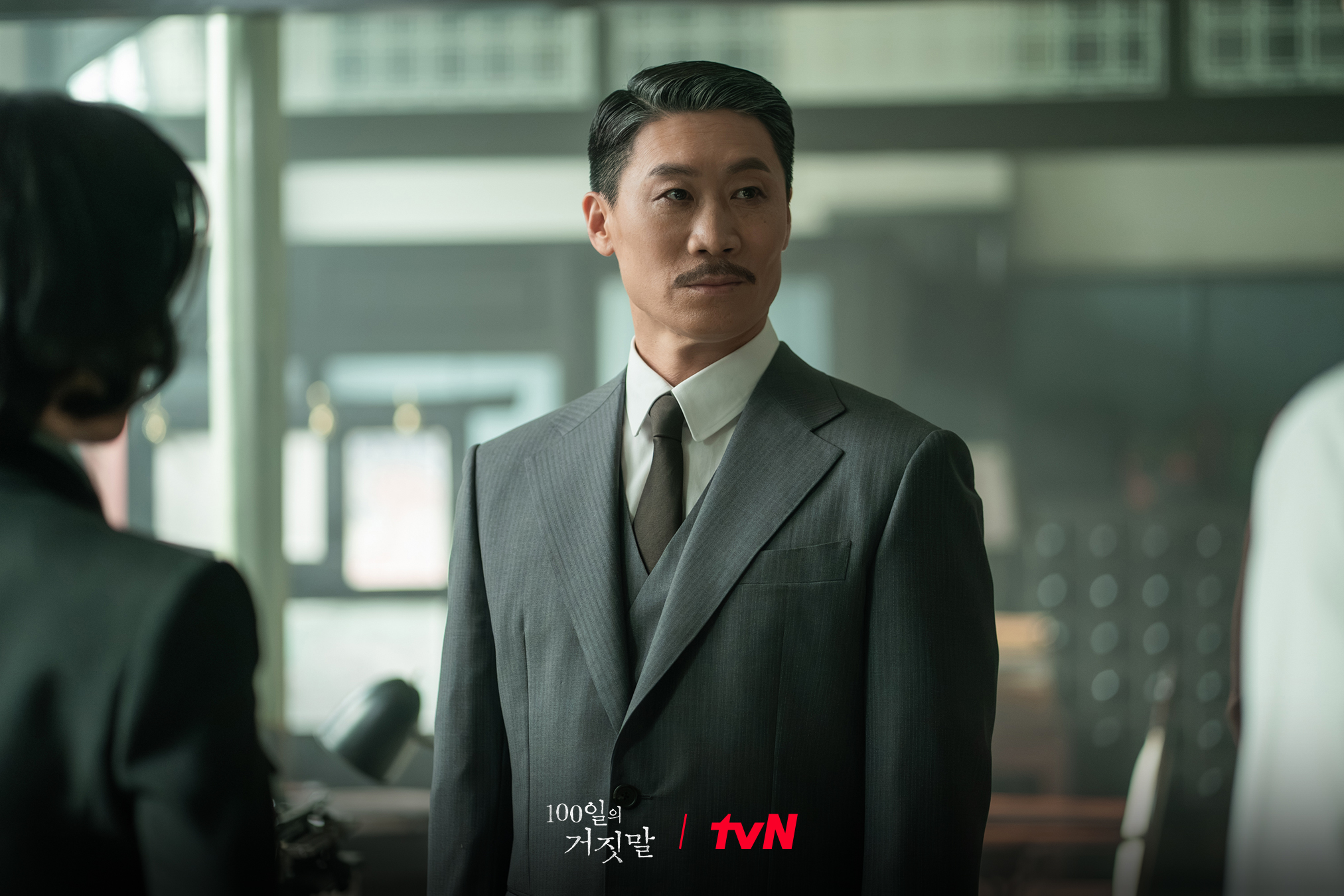
Jin Seon-kyu’s Sato Shinichi is frightening because he rarely needs to raise his voice to show how dangerous he is. In Episode 2 of tvN’s historical spy romance 100 Days of Deception, the senior colonial official treats fear as a tool: he can appear courteous in public, suspicious in private and merciless when someone’s life stands between him and his goals.
The performance lands because the threat is not limited to one dramatic outburst. Sato’s cruelty appears in the way he handles his adopted son Hideo, reacts to an assassination attempt and turns uncertainty into an excuse to tighten control over the independence movement. The result is a villain whose calmness can be more disturbing than a conventional display of rage.
His most unsettling weapon is control
In Episode 2, Sato survives an assassination attempt, yet his first instinct is not relief or gratitude. He remains wary even when Hideo rushes to check on him, and he keeps a gun trained on his adopted son before slowly lowering it. That hesitation makes the scene uncomfortable: a family bond that should offer reassurance instead becomes another test of loyalty.
Sports Chosun’s October 12 report highlighted how Jin builds the character through suspicion, calculated cruelty and a chilling lack of compassion. The performance’s force comes from restraint. Sato does not need to explain every threat; his decisions make the threat clear.
The backstory makes the villainy personal
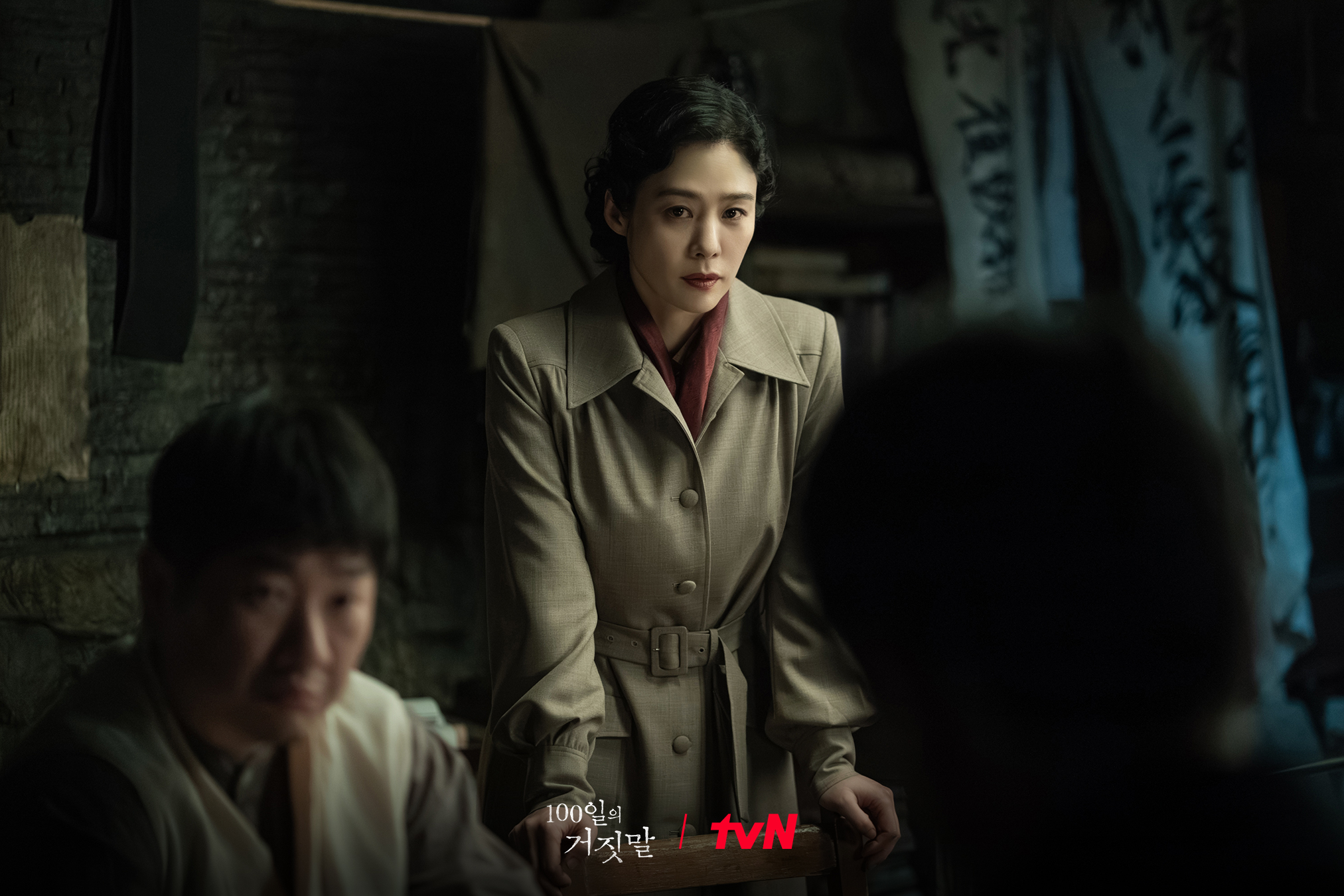
Sato’s brutality is not abstract. Yoo So-ran, played by Kim Hyun-joo, has spent years carrying grief after the death of her young daughter and uncertainty about her husband. The series reveals that Sato used threats against families to extract information about the independence movement, and that his violence helped shape So-ran’s mission of revenge.
That connection changes the stakes. So-ran’s plan is not simply aimed at a faceless official; it is directed at the person she holds responsible for devastating her family. The conflict therefore becomes both political and intimate, with Sato’s power reaching into the lives of people who have little room to protect themselves.
Why the gun scene with Hideo matters
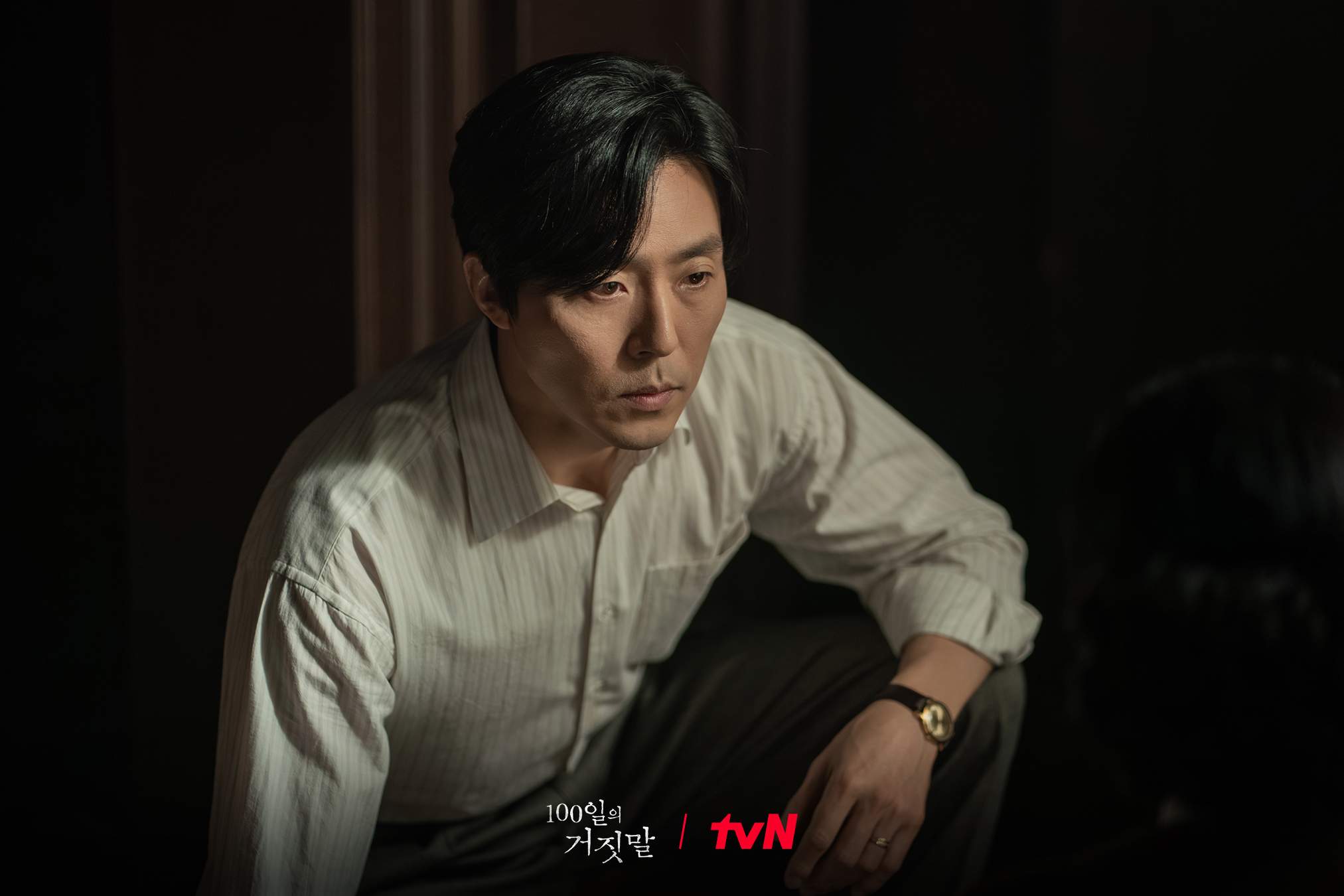
One of the episode’s sharpest character moments arrives when Sato points a gun at Hideo, even though Hideo has come to check whether he is safe. Sato’s refusal to respond like a relieved parent suggests that affection, trust and family are all conditional in his world. Hideo may hold an official position and live under Sato’s roof, but he is never allowed to forget that his place depends on the older man’s approval.
This also deepens Hideo’s internal conflict. He operates as a Japanese official while concealing his Korean origins, and his desire for recognition leaves him vulnerable to Sato’s control. The relationship makes the villain more than an obstacle for the heroes: Sato’s influence shapes the choices and identities of people closest to him.
A crisis becomes an excuse for repression
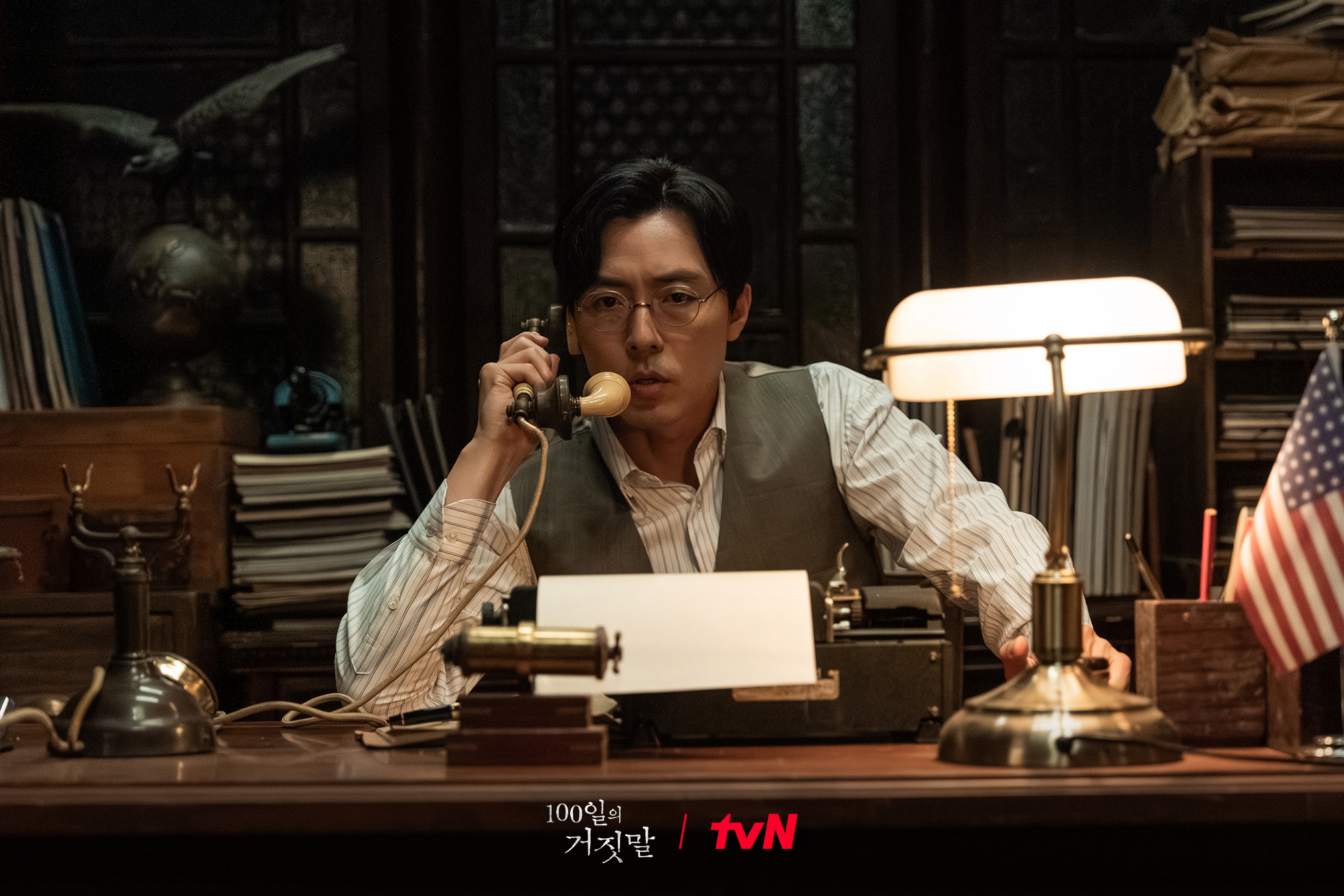
After the attack, Sato does not wait for clear evidence before treating the independence group as a target. He sees the crisis as an opportunity to intensify pressure and directs subordinates to move against the group. That reaction is chilling because it shows how power can convert uncertainty into justification for punishment.
The historical setting gives this choice added weight. The story takes place in 1932 Gyeongseong, during Japanese colonial rule, when Korean independence activists faced surveillance and violent repression. The drama uses a fictionalized plot to explore that atmosphere; viewers should distinguish its invented characters and incidents from documented historical events.
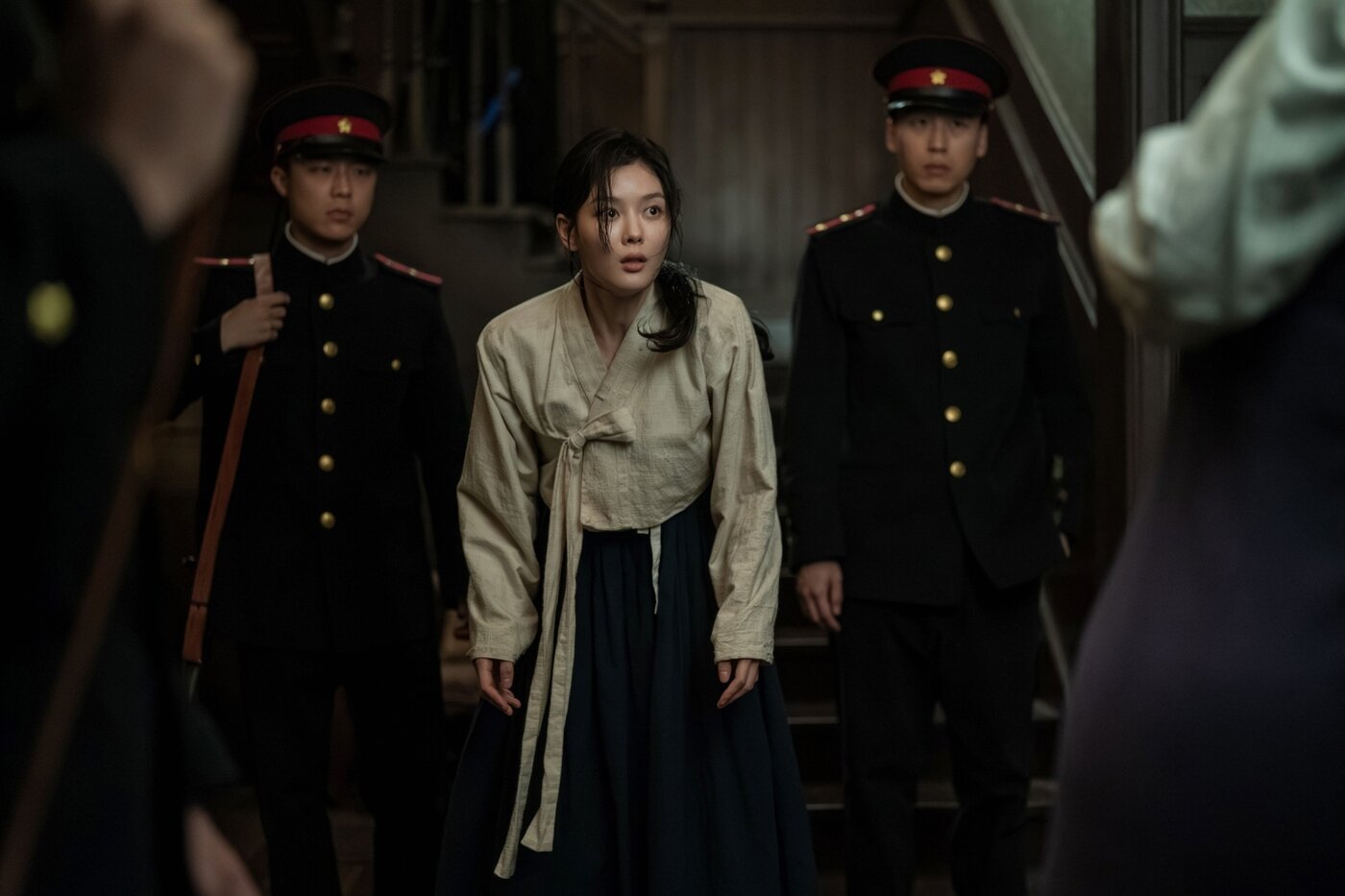
Why Jin Seon-kyu’s performance stands out
Many television villains are memorable because they are unpredictable. Sato is disturbing because his behavior follows a grim logic: he values security and authority above family, truth or compassion. The controlled delivery makes each decision feel deliberate, and it leaves the audience watching for the moment when courtesy gives way to cruelty.
The character’s menace also works because other people react to the power he holds. Hideo seeks approval, So-ran pursues revenge, and the resistance must plan around the reach of the colonial administration. Sato’s presence changes the choices available to everyone around him, which is a stronger source of tension than a villain who appears only to deliver threats.
What to watch for in Episode 3
The next episode will need to show whether Sato’s decision to intensify the crackdown creates new fractures inside his own administration. Hideo’s loyalties remain complicated, while So-ran’s personal mission has been shaken by the return of her husband. Those tensions give Sato opportunities to tighten control, but they may also expose the limits of his ability to predict other people’s choices.
Quick answer: Why is Sato Shinichi so terrifying?
Sato is frightening because he combines a calm public manner with calculated suspicion and extreme cruelty. Episode 2 shows him threatening even Hideo, exploiting a crisis to target the resistance and using violence against families to pursue political control.
Frequently asked questions
Who plays Sato Shinichi in 100 Days of Deception?
Jin Seon-kyu plays Sato Shinichi, a senior official in the Japanese colonial administration in the series.
What makes Sato Shinichi a villain?
He uses surveillance, intimidation and violence to protect his position, including coercion against families connected to the independence movement.
Why does Sato point a gun at Hideo?
The scene underscores Sato’s distrust and his tendency to put control above familial affection, even when Hideo approaches out of concern for his safety.
Is 100 Days of Deception based on real events?
The drama is a fictional spy romance set during Japanese colonial rule in Korea. Its broader historical setting is real, but its characters and specific plot events should not be treated as documentary history.
Related coverage
- Kim Hyun-joo’s Rage Scene in Episode 2 Is Pure Fire
- 100 Days of Deception Episode 2 Ending Explained
- 100 Days of Deception on Netflix
Sources: Sports Chosun; The Korea Times; Netflix.
Image credits: tvN stills published by Soompi. Image rights remain with their respective owners; confirm permission before commercial reuse.


