
If you have three very ripe bananas sitting on the counter and a bread machine gathering dust, you already have the makings of one of the easiest homemade treats you can bake. A good bread machine banana bread recipe is less about letting the machine blindly do everything and more about using the right cycle, controlling the batter, and knowing when the loaf is actually done.
This version is built for the way bread machines really behave. It explains which setting to use, how much banana is too much, why bread-machine banana bread can turn gummy or sink in the middle, when to stop mixing, and how to finish a loaf that needs extra baking time. It also covers frozen bananas, chocolate chips, nuts, whole-wheat and gluten-free adaptations, storage, freezing, and the questions people most often ask before making banana bread in a bread maker.
The Quick Answer: Can You Make Banana Bread in a Bread Machine?
Yes. The best method is to use your bread machine's Quick Bread, Cake, or Yeast-Free setting. Banana bread is a quick bread rather than a traditional yeast bread, so it does not need a long fermentation or proofing cycle. The machine should mix the batter briefly and then bake it.
For a standard loaf, use about 3 medium very ripe bananas, 1 1/2 cups all-purpose flour, 2 eggs, 1/3 cup melted butter or neutral oil, 3/4 cup sugar, 1 teaspoon baking soda, and 1/2 teaspoon salt. The exact cycle time depends on the machine. Start checking for doneness near the end of the programmed bake and use a toothpick or thin skewer to test the center.
The most important rule is simple: do not treat banana-bread batter like yeast dough. You want the ingredients combined, not heavily kneaded. Excessive mixing can make the loaf dense and chewy instead of tender.
Why a Bread Machine Works So Well for Banana Bread
Banana bread is unusually well suited to a bread machine because it needs two things the appliance already does well: controlled mixing and enclosed baking. You do not need a stand mixer, a separate loaf pan, or a preheated oven when your machine has an appropriate quick-bread or cake program.
There is one important catch. A bread machine is designed primarily around yeast dough, and its standard bread cycles are much longer than banana-bread batter needs. Choosing the wrong program can leave you with an overmixed, overbrowned, or poorly risen loaf.
That is why the setting matters more than the brand name printed on the machine. Food Network Kitchen, for example, specifies a cake or yeast-free program for its bread-machine banana bread and notes that cycle times vary by model. Older bread-machine recipes also commonly use a short mixing stage followed by a separate Bake cycle. urlFood Network Kitchen's bread machine banana bread recipehttps://www.foodnetwork.com/recipes/food-network-kitchen/bread-machine-banana-bread-16411301
The Best Bread Machine Banana Bread Recipe
This recipe makes one loaf and is intended for a bread machine with a quick-bread, cake, yeast-free, or bake-only function. If your machine has a smaller pan, check its manual before making the full batch.
Ingredients
- 3 medium very ripe bananas, mashed, about 1 to 1 1/2 cups
- 1/3 cup melted unsalted butter or neutral oil such as canola or vegetable oil
- 2 large eggs, lightly beaten
- 1 teaspoon vanilla extract
- 3/4 cup granulated sugar, brown sugar, or a combination
- 1 1/2 cups all-purpose flour, measured carefully
- 1 teaspoon baking soda
- 1/2 teaspoon salt
- 1/2 teaspoon ground cinnamon, optional
- 1/2 cup chopped walnuts or pecans, optional
- 1/2 cup chocolate chips, optional
Best measurement tip: If you have a kitchen scale, weigh the flour. If you are using cups, spoon the flour into the measuring cup and level it rather than scooping directly from the flour bag. Scooping can compact the flour and unintentionally make the loaf drier.
How to Make Banana Bread in a Bread Machine
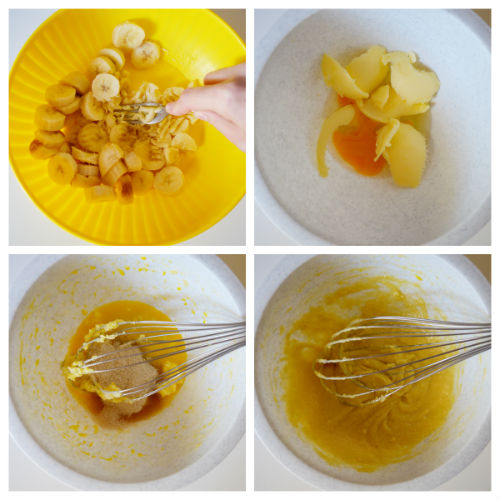
1. Mash the bananas first
Peel the bananas and mash them with a fork until mostly smooth. A few small pieces are desirable; they disappear into the loaf while leaving little pockets of concentrated banana flavor.
Do not automatically add extra banana because you want a stronger banana taste. Banana is also water. A very large or exceptionally juicy banana can add enough moisture to change the batter balance and contribute to a sunken or gummy center.
2. Combine the wet ingredients
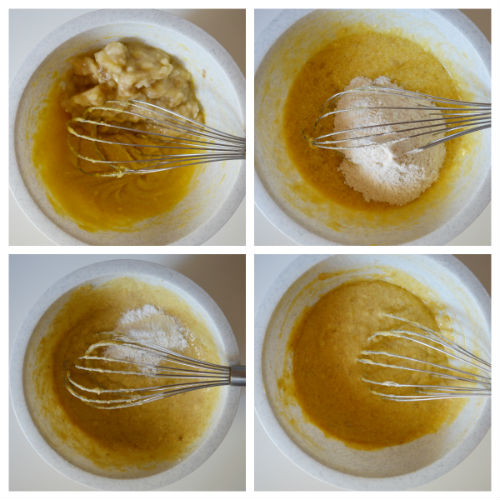
Stir the mashed bananas with the melted butter or oil, eggs, and vanilla. The mixture does not need to be perfectly smooth.
Pour the wet mixture into the bread-machine pan with the kneading paddle installed.
3. Mix the dry ingredients separately
In a bowl, whisk together the flour, sugar, baking soda, salt, and cinnamon. Pour the dry mixture over the wet ingredients in the bread-machine pan.
This separate dry mix is not about creating a complicated baking ritual. It simply helps distribute the baking soda and salt more evenly before the machine begins mixing.
4. Choose the right machine cycle
Select Quick Bread, Cake, Yeast-Free, or the closest equivalent recommended by your machine's manufacturer.
Do not automatically choose a regular Basic, French, Whole Wheat, or Sweet Bread cycle. Those programs are generally designed around yeast dough and can involve long mixing, resting, rising, and baking stages that are inappropriate for a quick bread batter.
5. Watch the first few minutes
This is one of the smartest things you can do when making bread-machine banana bread for the first time. Look through the viewing window during the initial mixing stage if your machine has one.
Use a flexible spatula to scrape flour from the corners into the mixing area if necessary. Do not scrape aggressively around the paddle, and do not leave the lid open longer than necessary.
6. Add nuts or chocolate at the right time
If your bread machine has an add-in signal or dispenser, use it. Otherwise, add nuts or chocolate chips after the batter has mostly come together. This prevents the paddle from unnecessarily crushing them during the earliest mixing stage.
7. Stop thinking about the clock and start checking the loaf
Machine programs differ substantially. One machine may finish a quick-bread cycle in under an hour while another may take considerably longer. The timer is a guide, not proof of doneness.
Near the end of the bake, insert a thin skewer or toothpick into the center of the loaf. You want it to come out clean or with a few moist crumbs. Wet batter means the center needs more baking.
8. Cool before slicing
Let the loaf sit in the pan for about 5 to 10 minutes after baking, then remove it carefully and transfer it to a wire rack. Give it at least 20 to 30 minutes of cooling time before slicing.
Warm banana bread can look underbaked even when it is not. The crumb continues to set as it cools, and slicing too early can make a perfectly good loaf appear gummy or cause it to crumble.
Which Bread Machine Setting Is Best?
The names differ from machine to machine, so use the following translation rather than searching for one exact button label.
| Machine setting | Use it? | Why |
|---|---|---|
| Quick Bread | Yes | Designed for non-yeast batters and short mixing/baking programs. |
| Cake | Yes | Often the closest equivalent to a quick-bread program. |
| Yeast-Free | Yes | Suitable when the machine provides a dedicated non-yeast cycle. |
| Bake Only | Yes, with manual mixing | Useful when the machine has no appropriate quick-bread cycle. |
| Basic/White Bread | Usually no | Typically includes unnecessary kneading and rising stages. |
| Sweet Bread | Usually no | Often designed for sweet yeast dough rather than cake-like batter. |
If your machine's manual gives a specific instruction for cake or quick bread, follow the manufacturer's timing and capacity limits. Bread machines vary enough that a universal time cannot be guaranteed.
The Ripe-Banana Rule: How Brown Is Too Brown?
For banana bread, ugly bananas are often the best bananas.
Look for fruit with heavy brown or black spotting and a soft interior. As bananas ripen, their texture changes and their flavor becomes more pronounced, making them particularly useful in baked goods. Extra-ripe bananas are especially valuable when you want a strong banana flavor without adding more sugar.
That does not mean every banana needs to be completely black. A yellow peel covered in brown spots is already excellent. Bananas that are extremely soft and dark inside can also work, provided there is no mold or spoilage.
King Arthur Baking likewise recommends very ripe bananas for stronger banana flavor and notes that the fruit can be used at different stages of ripeness depending on the desired result. urlKing Arthur Baking's banana bread guidehttps://www.kingarthurbaking.com/recipes/banana-bread-recipe
Can You Use Frozen Bananas?
Absolutely. Frozen bananas are one of the best ingredients to keep on hand for future banana bread.
Thaw them completely before measuring and mashing. Frozen fruit can release a surprising amount of liquid as it defrosts, so if there is a large pool of watery liquid, drain some of it before adding the bananas to the batter.
The important measurement is the amount of mashed banana that actually goes into the recipe, not the number of frozen bananas you pulled from the freezer. Banana sizes vary considerably.
Why Bread Machine Banana Bread Turns Out Dense
A dense loaf is not always a recipe failure. Banana bread naturally has a moist, compact crumb. The problem is when it becomes heavy, rubbery, wet, or difficult to slice.
Too much mixing
Flour contains proteins that can form gluten when hydrated and mixed. Banana bread needs enough structure to hold together, but vigorous or prolonged mixing can produce a tougher crumb.
This is especially relevant in bread machines because the paddle is built to work dough. If your quick-bread program mixes longer than necessary, check the manual to see whether the machine allows a manual bake-only approach.
Too much banana
Extra banana sounds harmless, but it increases moisture. If the flour quantity stays unchanged, the batter can become too wet for the machine's baking time.
Too little flour
Compressed flour measurements can create the opposite problem: a recipe may appear to contain the correct number of cups, but the actual flour weight is lower than intended.
The loaf was sliced too soon
Cooling is part of baking. The crumb continues to firm after the heat is removed, so a hot loaf can seem gummy even if the center was properly baked.
Why Did My Banana Bread Sink in the Middle?
A sunken center usually means the structure did not set strongly enough to support the loaf after it expanded.
- Too much banana or another liquid ingredient can make the batter overly wet.
- Too much leavening can create a rapid rise followed by collapse.
- Underbaking leaves the center too weak to support itself.
- Opening the machine repeatedly can disturb the baking environment.
- Overmixing can alter the crumb structure.
The fastest way to troubleshoot a sinking loaf is to change only one variable at a time. Start by checking doneness and measuring the banana and flour by weight. If the recipe is consistently wet in the center, give the loaf additional bake time before changing the ingredient ratios.
How to Fix Banana Bread That Is Still Wet in the Middle
If the top looks finished but the center is wet, do not throw the loaf away immediately. If your machine has a Bake Only function, use it for additional baking time and check the center again with a skewer.
If the machine's lid can be opened safely according to the manufacturer's instructions, a loose piece of foil can sometimes help protect an already-dark top while the center finishes. Do not use foil in a way that could interfere with heating elements or violate the machine's instructions.
For future batches, measure the mashed banana, avoid adding unnecessary liquid, and verify that the quick-bread program is actually baking long enough for the amount of batter in your pan.
Why Is the Crust Too Dark?
Banana bread contains sugar, and sugar encourages browning. A bread machine also creates a small, enclosed baking chamber where the top of the loaf can become deeply colored before the center is fully set.
If your machine offers light, medium, and dark crust choices, choose light. If it does not, use the manufacturer's recommended bake-only procedure and monitor the loaf near the end of the cycle.
Do not judge doneness by crust color alone. A deeply golden top can still conceal an underbaked center.
Butter or Oil: Which Makes Better Bread Machine Banana Bread?
Both work, but they create slightly different results.
Butter gives banana bread a richer dairy aroma and a more traditional bakery flavor. Neutral oil tends to keep the crumb softer because oil remains liquid after cooling.
If your priority is maximum tenderness the next day, oil is a strong choice. If flavor is your priority, melted butter is hard to beat. You can also split the difference by using a combination.
White Sugar or Brown Sugar?
White sugar gives a straightforward sweetness. Brown sugar adds molasses notes and can make the loaf taste deeper and more caramel-like.
A combination is often the most balanced option. Because ripe bananas already provide considerable sweetness, you can experiment with reducing the added sugar without necessarily destroying the texture. However, make reductions gradually rather than removing a large amount at once.
Best Banana Bread Mix-Ins for a Bread Machine
Chocolate chips
Use about 1/2 cup for a balanced loaf or up to 3/4 cup if you want a dessert-like result. Semi-sweet and dark chocolate pair particularly well with ripe banana.
Walnuts
Walnuts provide the classic banana-nut combination. Toasting them first makes their flavor noticeably stronger.
Pecans
Pecans bring a sweeter, buttery crunch and work especially well with brown sugar and cinnamon.
Cinnamon
Half a teaspoon adds warmth without turning the loaf into a spice bread. You can increase it if you prefer a stronger cinnamon profile.
Coconut
Unsweetened shredded coconut can give banana bread a slightly chewy texture and tropical character.
Blueberries
Fresh or frozen blueberries can work, although excessive fruit increases moisture. Use a moderate amount and avoid flooding the batter with thawing liquid.
How to Make Chocolate Chip Bread Machine Banana Bread
Use the base recipe above and add about 1/2 cup of chocolate chips during the machine's designated add-in stage. If your machine does not have an add-in signal, wait until the batter is mostly combined before adding them.
For a stronger chocolate flavor, use dark chocolate chips. For a sweeter, classic American bakery profile, use semi-sweet chips.
How to Make Banana Nut Bread in a Bread Machine
Add 1/2 cup of chopped walnuts or pecans. Toast the nuts first if you have time, then let them cool before adding them to the batter.
Do not overload the loaf with nuts. Too many large pieces can interfere with slicing and can make a small bread-machine loaf feel heavy.
Can You Make Healthier Banana Bread in a Bread Machine?
Yes, but "healthier" should be treated as a specific nutritional change rather than a promise that the loaf becomes healthy simply because it contains bananas.
Practical changes include replacing part of the all-purpose flour with whole-wheat flour, reducing added sugar, using oil strategically, adding nuts for texture, or using some plain Greek yogurt for additional moisture and protein.
Whole-wheat flour absorbs liquid differently and can produce a denser loaf. For the best texture, start by replacing only part of the all-purpose flour rather than converting the entire recipe at once.
Gluten-Free Bread Machine Banana Bread
A reliable approach is to use a gluten-free baking blend specifically formulated as a one-to-one replacement for wheat flour. Check whether the blend already contains xanthan gum or another binder before adding anything extra.
Gluten-free batters behave differently from wheat-based batters, so the exact liquid requirement and baking time can change. For that reason, use a gluten-free recipe tested for your machine whenever possible rather than assuming every wheat recipe can be converted without adjustment.
Vegan Bread Machine Banana Bread
For a dairy-free version, replace butter with neutral oil or a plant-based butter. For the eggs, a flax egg can be used in many banana-bread formulas: combine 1 tablespoon ground flaxseed with about 3 tablespoons water per egg and allow it to thicken before mixing.
Because egg substitutions change structure, expect the loaf to be somewhat different from the original. A slightly denser crumb is normal.
How to Know When Banana Bread Is Done
The most dependable test is the center of the loaf.
- Clean toothpick: generally done.
- A few moist crumbs: generally ideal for banana bread.
- Wet streaks of batter: keep baking.
- Very dark crust but wet center: continue baking with appropriate top protection if your machine allows it.
If you own a digital kitchen thermometer, an internal temperature around 205°F is a useful additional reference for quick breads, although the exact target can vary with recipe composition and equipment.
How Long Does Bread Machine Banana Bread Take?
There is no single correct number because bread machines use different heating systems and programs. A quick-bread cycle can commonly take around an hour or more, while some machines may run considerably longer.
As a practical rule, plan for roughly 1 to 2 hours from start to finished loaf, depending on the machine, recipe size, and cooling time. Food Network Kitchen lists a total time of about two hours for its tested bread-machine version and specifically notes that the duration depends on the machine. urlFood Network Kitchen recipe detailshttps://www.foodnetwork.com/recipes/food-network-kitchen/bread-machine-banana-bread-16411301
How to Prevent the Paddle From Getting Stuck
The kneading paddle may remain inside the loaf after baking. That is normal for many bread machines.
If your machine's instructions allow the paddle to be removed after mixing and before baking, you can do so carefully. Otherwise, remove the finished loaf and use the machine's paddle-removal hook or a suitable utensil according to the manufacturer's instructions.
Do not force the paddle while the loaf is hot. The pan and metal parts can retain significant heat.
What If Your Bread Machine Has No Quick-Bread Setting?
You still may be able to make banana bread.
The most dependable workaround is to mix the batter outside the machine, pour it into the greased bread-machine pan, and use a Bake Only program if the machine provides one. Check the loaf with a toothpick before the programmed bake ends, and extend the baking time if the center is not set.
Some older recipes use the Dough setting only as a short mixing stage and then switch manually to Bake. That can work, but the key is to stop the mixing before the batter is overworked.
Why You Should Not Double This Recipe Automatically
Do not assume that a bread machine rated for a 2-pound yeast loaf can safely hold twice as much banana-bread batter. Quick bread rises differently from yeast dough, and an oversized batch can overflow, remain underbaked in the center, or bake unevenly.
If you need two loaves, making two separate batches is usually the safer approach unless your machine's manual specifically provides a larger quick-bread capacity.
How to Store Bread Machine Banana Bread
Let the loaf cool completely before wrapping it. Store it tightly covered at room temperature for a few days if you expect to eat it quickly.
For longer storage, refrigeration can extend its usable life, although the cold environment can make the crumb feel firmer and drier. Allow refrigerated slices to come closer to room temperature before serving, or warm them briefly.
For the best long-term option, freeze the bread. Slice it first so you can remove only what you need. Wrap individual slices tightly and place them in a freezer-safe bag or container.
King Arthur Baking recommends tightly wrapping banana bread for short-term storage and freezing it for longer storage. urlKing Arthur Baking banana bread storage guidancehttps://www.kingarthurbaking.com/recipes/banana-bread-recipe
Can You Freeze Banana Bread?
Yes, and sliced banana bread freezes particularly well.
Cool the loaf completely, slice it, wrap the slices individually, and place them in a freezer-safe container or bag. Press out excess air where practical to reduce freezer burn.
Thaw individual slices at room temperature or warm them gently. A toaster oven is particularly useful when you want a slightly crisp edge with a soft center.
The Food Science Behind Moist Banana Bread
Banana bread works because several simple ingredients are performing different jobs at the same time.
Flour provides the basic structural framework. Eggs contribute structure and richness. Fat tenderizes the crumb. Sugar contributes sweetness, moisture retention, and browning. Bananas supply water, natural sugars, flavor, and soft fruit solids. Baking soda contributes leavening when the batter's chemistry provides the conditions for it to release carbon dioxide.
The balance matters. Add more banana without adjusting the rest of the recipe and the batter becomes wetter. Add more flour and the loaf can become dry. Add too much leavener and the loaf can rise rapidly and then collapse. Mix too aggressively and the texture can become tougher.
That is why the best bread-machine banana bread is not simply a matter of throwing ingredients into a pan. The machine handles the mechanical work, but the baker still controls the ratios and the timing.
A New Way to Think About Bread Machine Banana Bread
The biggest advantage of a bread machine is not that it removes the baker from the process. It changes where the baker needs to pay attention.
With an oven, much of your attention goes into preheating, pan preparation, oven temperature, rack position, and visual monitoring. With a bread machine, the critical decisions happen earlier: choosing the right program, measuring the banana and flour accurately, limiting the mixing, and knowing whether the machine's bake time is sufficient.
In other words, a bread machine makes banana bread easier, but it does not make baking completely automatic. Once you understand that distinction, troubleshooting becomes much less frustrating.
Quick Troubleshooting Guide
| Problem | Most likely cause | Best first fix |
|---|---|---|
| Dense loaf | Overmixing, too much flour, or too little leavening | Measure flour carefully and reduce unnecessary mixing. |
| Gummy center | Underbaking or excess moisture | Extend baking time and measure mashed banana. |
| Sunken middle | Too much moisture, excess leavening, or weak structure | Check banana quantity and doneness before changing the recipe. |
| Very dark crust | High sugar and strong top heat | Use the light crust option and avoid overbaking. |
| Dry loaf | Too much flour or too little fat/moisture | Weigh flour and avoid reducing wet ingredients excessively. |
| Uneven flour pockets | Pan corners not reached during mixing | Scrape down the sides carefully during the initial mixing stage. |
| Loaf sticks to pan | Sugary batter and insufficient release | Lightly grease the pan if permitted by the machine instructions. |
Frequently Asked Questions
Can I make banana bread in any bread machine?
Not necessarily. A machine with a Quick Bread, Cake, Yeast-Free, or Bake Only function is the easiest choice. If your machine only has long yeast-bread cycles, use the manufacturer's manual to determine whether manual baking is possible.
What is the best bread machine setting for banana bread?
Quick Bread, Cake, or Yeast-Free is generally the best choice. The correct label depends on the machine.
How many bananas do I need for bread machine banana bread?
Three medium very ripe bananas, producing roughly 1 to 1 1/2 cups of mashed banana, is a practical starting point for a loaf using about 1 1/2 cups of flour.
Can I use bananas that are completely brown?
Yes, provided they are ripe rather than spoiled or moldy. Very dark, soft bananas can deliver especially strong banana flavor.
Can I use frozen bananas?
Yes. Thaw them fully, then measure the mashed banana. Drain excess free liquid if there is a lot of it.
Why is my bread machine banana bread not rising?
Check the freshness and amount of your leavening, the flour measurement, the banana quantity, and the selected cycle. Also make sure the batter is not being mixed for an unusually long time.
Why did my banana bread sink after rising?
The loaf may have risen faster than its structure could support. Excess moisture, too much leavening, underbaking, or an overly heavy batter can contribute to collapse.
Can I put chocolate chips in a bread machine?
Yes. Add them at the machine's designated add-in stage, or once the batter is mostly mixed if there is no automatic dispenser.
Can I use whole-wheat flour?
Yes, but replacing only part of the all-purpose flour is usually easier to manage. Whole-wheat flour can produce a denser and more absorbent batter.
Can I make banana bread without eggs?
Yes. A flax egg or another tested egg substitute can work, although the texture will usually be somewhat different from a recipe made with eggs.
Can I make gluten-free banana bread in a bread machine?
Yes, if your machine supports a suitable baking cycle and you use a tested gluten-free formula. Gluten-free flour blends vary, so a direct substitution is not guaranteed to produce the same result.
How long should banana bread cool before slicing?
Let it cool for at least 20 to 30 minutes for cleaner slices. A complete cool-down gives the crumb more time to set.
Can I leave banana bread in the bread-machine pan to cool?
It is better to remove the loaf after a short rest and cool it on a rack. Extended cooling in the pan can trap steam against the crust and make the sides or bottom softer.
Is bread machine banana bread healthier than cake?
Not automatically. Banana bread still commonly contains added sugar and fat. Its nutritional profile depends on the specific recipe and portion size.
Final Verdict
A reliable bread machine banana bread recipe is built around one deceptively simple idea: let the machine handle the work it is good at, but do not ask it to behave like a conventional yeast-bread program.
Use very ripe bananas, measure the flour carefully, choose Quick Bread or Cake when available, keep mixing to the minimum needed to combine the batter, and judge the finished loaf by its center rather than its timer or crust color. Those few decisions make a bigger difference than adding another handful of sugar or another banana.
Once you have the basic loaf under control, the recipe becomes a dependable blank canvas. Walnuts turn it into classic banana-nut bread. Dark chocolate makes it richer. Whole-wheat flour gives it a more substantial character. Frozen bananas make it a practical way to rescue fruit from the freezer. And when the loaf is cooled, sliced, and frozen, a homemade breakfast or afternoon snack is always only a few minutes away.
For another tested perspective on banana bread technique, ingredient ratios, and ripe-banana handling, see King Arthur Baking's banana bread recipe. For a bread-machine-specific approach and machine-setting guidance, see Food Network Kitchen's bread machine banana bread recipe.
