

Quick answer: Art of Play says it offered Kelly Clarkson a chance to see a different singing-bird automaton priced at about $2,000 during her brief visit to the Brooklyn shop. The store says she left before viewing it. Clarkson has disputed the shop’s account of the conversation about Molly, the wall-mounted bird at the center of the disagreement. The released security footage has no audio, so it cannot establish exactly what either person said.
The $2,000 figure matters because it is separate from the $15,000 price discussed in the dispute and the store’s later $15 million asking-price announcement. No public evidence reviewed for this report confirms that Clarkson saw the lower-priced bird, agreed to buy it, or was shown a specific model before leaving.

What the store says about the $2,000 singing bird
In its public clarification, Art of Play said the bird nicknamed Molly is fixed to the wall and serves as part of the store’s magic-show experience. The business said a nearly identical automaton could potentially be obtained through its creator, Seattle-based artist Bliss Kolb, for $15,000. It also said staff offered to show Clarkson a different singing-bird automaton made by a traditional clockmaking shop in Germany, priced at about $2,000, but that she did not stay long enough to see it.
That is the store’s version of the exchange—not an independently verified transcript. Clarkson’s account differs: she has said she pointed to a price tag beside the bird and was told it was for sale at $15,000, with a comparable item offered instead. Those two descriptions should remain attributed to the people making them until further evidence clarifies the details.
Why the $2,000 and $15,000 figures should not be confused
The shop’s statement describes two different alternatives: a nearly identical bird associated with Kolb and a separate German-made singing bird that it says cost about $2,000. The available reporting does not identify the German item’s maker, model, condition, or exact mechanism. Without those details, it would be misleading to compare the two as if they were interchangeable products.
Automata can differ significantly in craftsmanship, materials, age, rarity, and how their mechanisms operate. Some use a spring-driven music-box movement; others use gears, cams, levers, or bellows to coordinate movement and sound. A lower price does not automatically mean an item is a lesser version of a particular artwork—it may be a different object built for a different purpose.

What the silent CCTV footage can—and cannot—show
Security footage released this week shows Clarkson inside Art of Play for less than five minutes, according to coverage by Entertainment Weekly and other outlets. The clip provides visual context for the visit, but it has no audio. It therefore cannot verify the words used, the tone of the conversation, or whether the $2,000 alternative was described in the way the store later said.
That limitation is central to the story. A silent clip may show people pointing or moving around a shop, but it cannot settle what was said or why a person reacted as they did. Claims about the conversation should be attributed to Clarkson or the store rather than presented as proven by the footage.

How a small object became a national celebrity story
The argument grew beyond a customer-service complaint after both sides shared their accounts publicly. Clarkson compared her experience to the shopping scene in Pretty Woman; Art of Play responded that Molly was not for sale as a display piece and said the exchange had been misunderstood. The shop later said the bird’s asking price had been raised to $15 million amid the attention. That is a reported asking price, not a confirmed sale or an independent appraisal of the automaton’s market value.
There is a broader lesson for readers and publishers: virality is not the same as verification. A price tag can be evidence that a price was displayed at some point, but it may not settle whether that exact object was available for purchase on a particular day. A store’s statement can explain its position, but it is still one side of a disputed interaction. The fairest account makes those distinctions visible.
What is known, and what remains unanswered
- Known: Art of Play publicly said it offered to show Clarkson a different singing-bird automaton priced at about $2,000.
- Disputed: Clarkson and the shop have offered different accounts of the conversation about Molly and the $15,000 figure.
- Not established by the footage: The exact words, tone, or intent of the exchange, because the released clip is silent.
- Not confirmed: That Clarkson saw the $2,000 item, made an offer, or was shown its exact model.
- Not a completed sale: The later $15 million figure is an asking-price announcement, not proof a buyer paid that amount.
For more context, read Vervado’s related reporting on what the silent Art of Play CCTV footage shows, the disputed $15,000 bird price-tag photo, and the work of automata artist Bliss Kolb.
Art of Play’s public Instagram statement
The store’s Instagram clarification is embedded below so readers can review the business’s own explanation. Social posts can change or become unavailable, so the statement should be read alongside independent reporting and Clarkson’s public response.
Frequently asked questions
Did Kelly Clarkson see the $2,000 singing bird?
Art of Play says it offered to show her a German-made alternative priced at about $2,000, but that she left before seeing it. The public information reviewed does not independently confirm that she saw the item.
Was the $2,000 bird the same as Molly?
No. The store described it as a different singing-bird automaton. It separately said a nearly identical version of Molly could potentially be obtained from creator Bliss Kolb for $15,000.
Does the security footage prove what was said?
No. The released CCTV footage has no audio, so it cannot establish the exact words or tone of the conversation.
Has Molly sold for $15 million?
No confirmed $15 million sale has been reported in the sources reviewed. The figure has been described as the store’s later asking price, not a verified transaction or independent valuation.
Why did the dispute become so widely discussed?
The story combined a celebrity’s account of a disappointing shopping experience, a small business’s public response, a distinctive mechanical bird, and competing interpretations of a short silent video. The rapid spread illustrates how social platforms can magnify a disagreement before all details are clear.
Sources and reporting notes
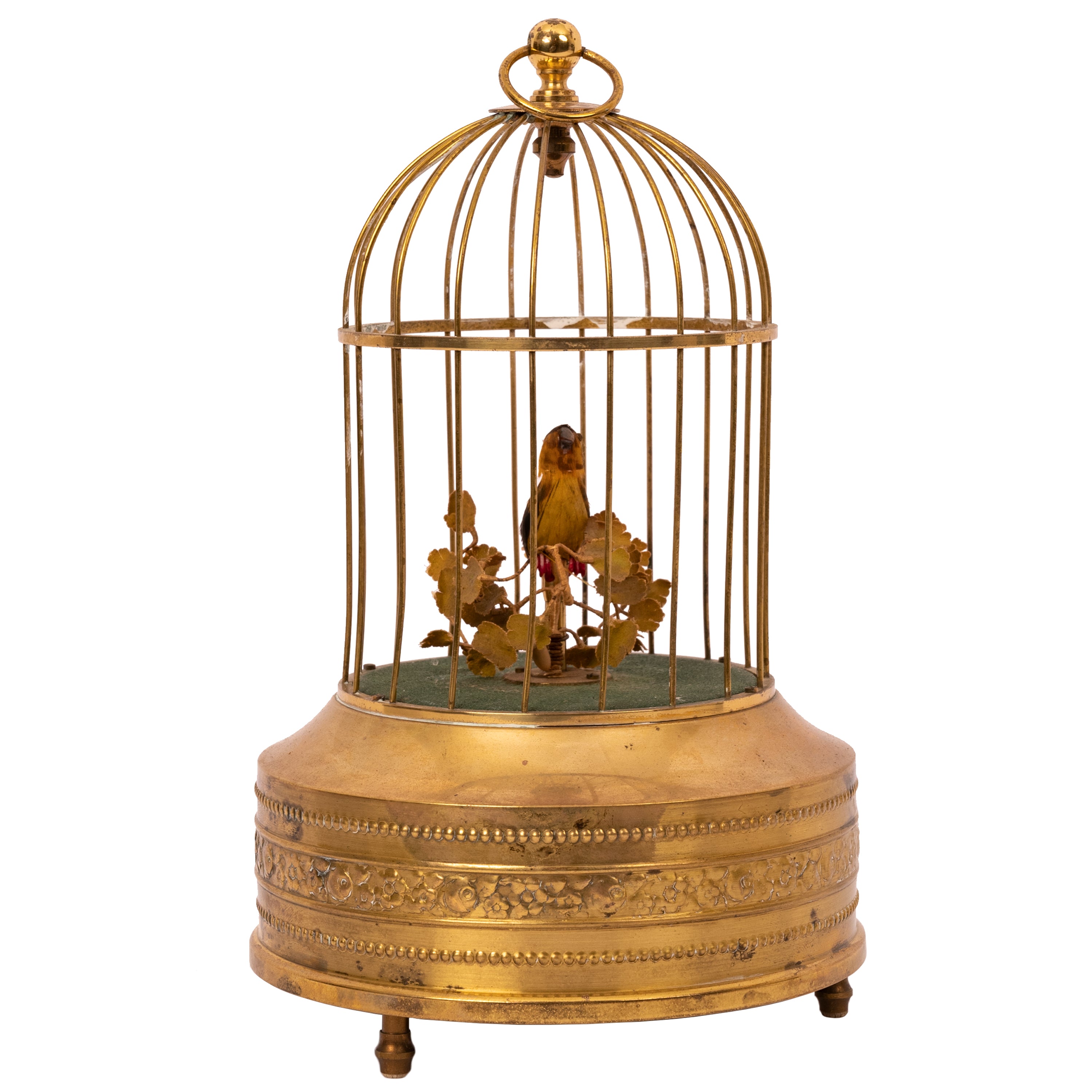
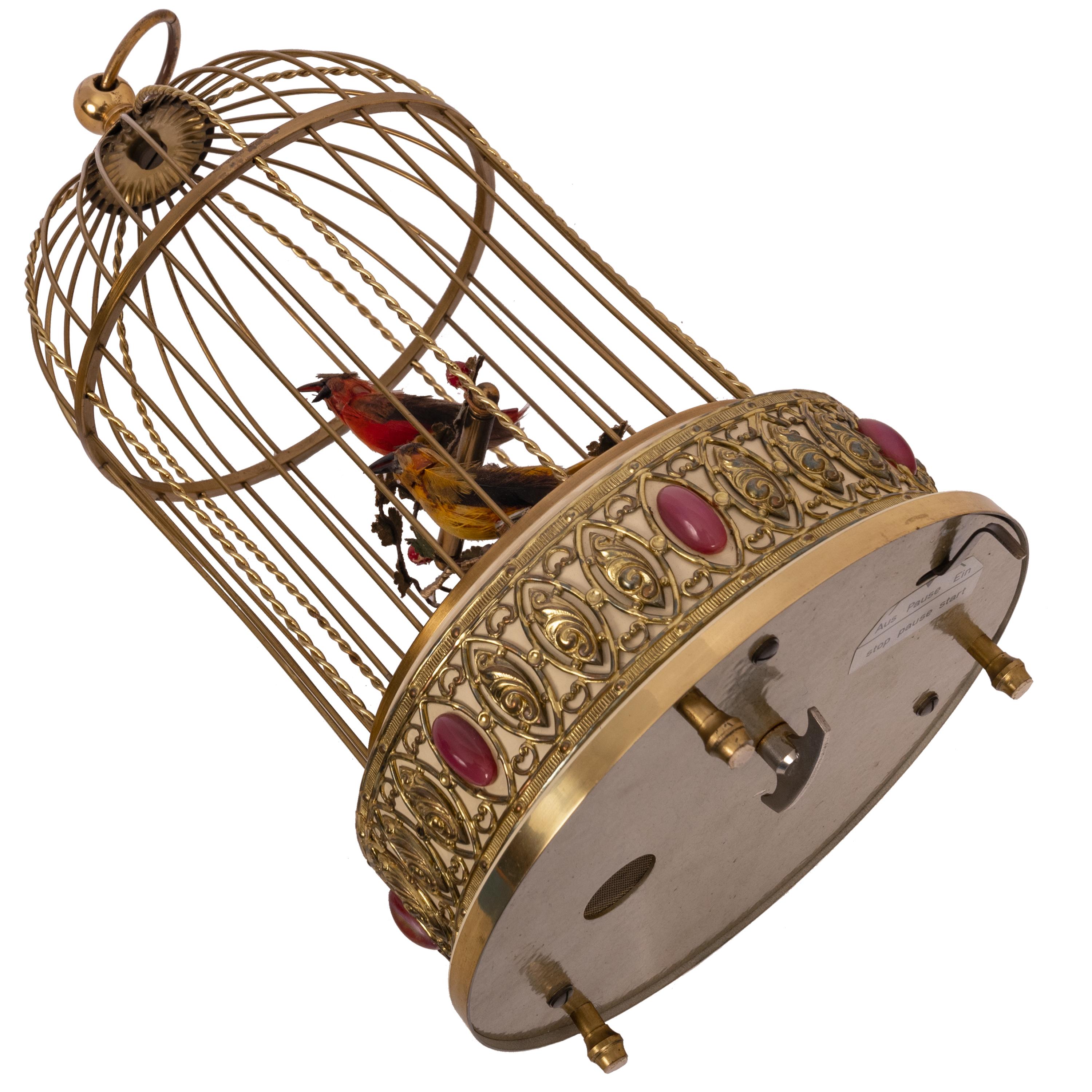
This report draws on published coverage from ABC News, PEOPLE, and Entertainment Weekly, alongside the store’s public Instagram statement. Images of antique singing-bird automatons in this article are illustrative examples, not representations of the specific $2,000 item mentioned by the store. Claims about the disputed conversation are attributed to the people making them.
By Shivam Das


