

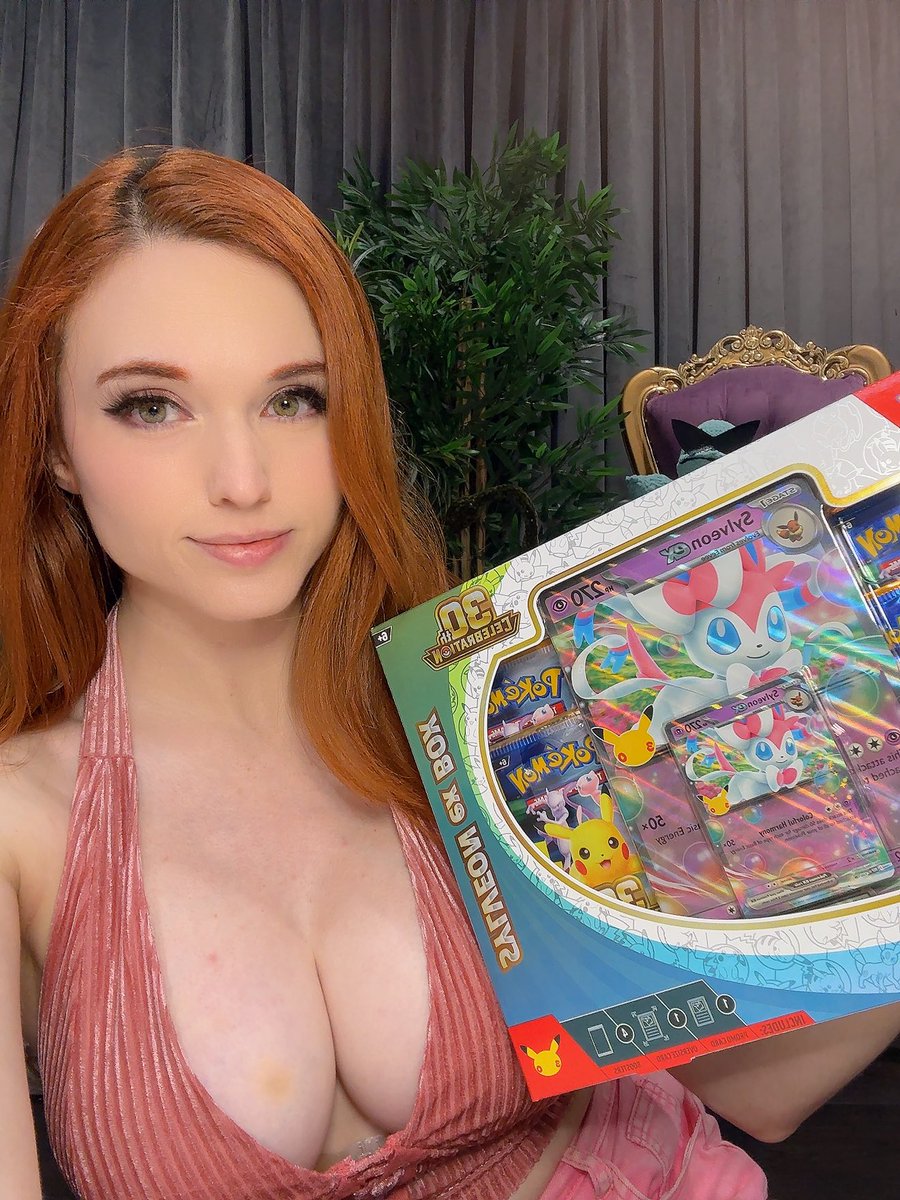
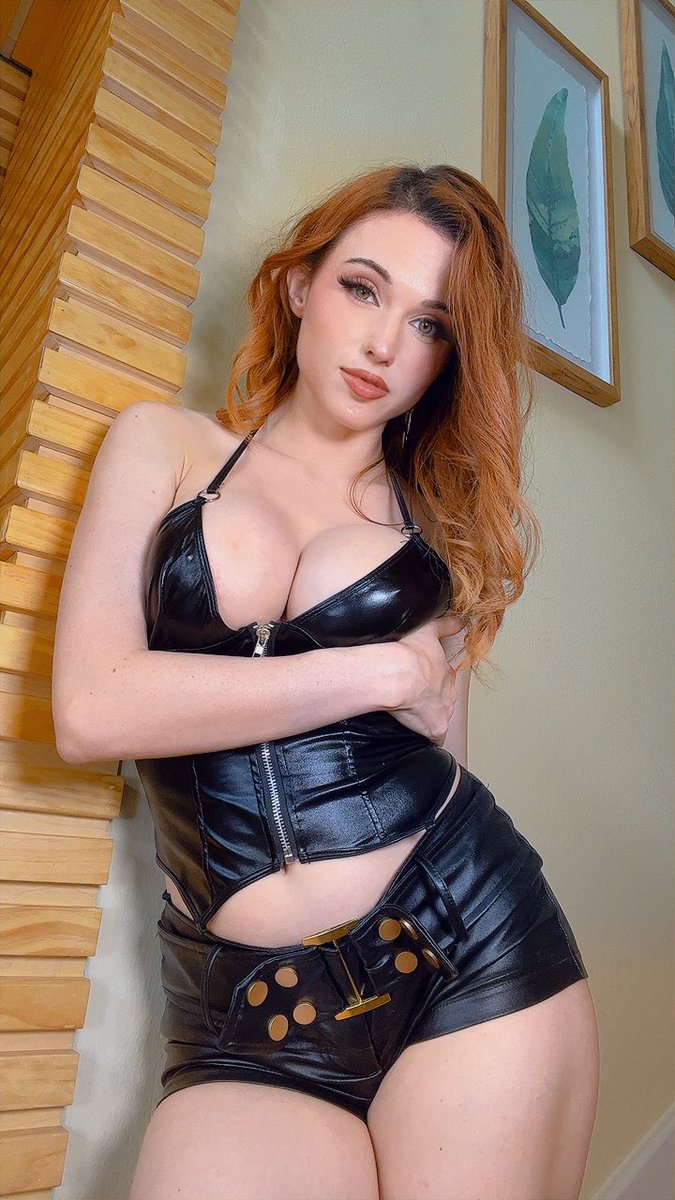
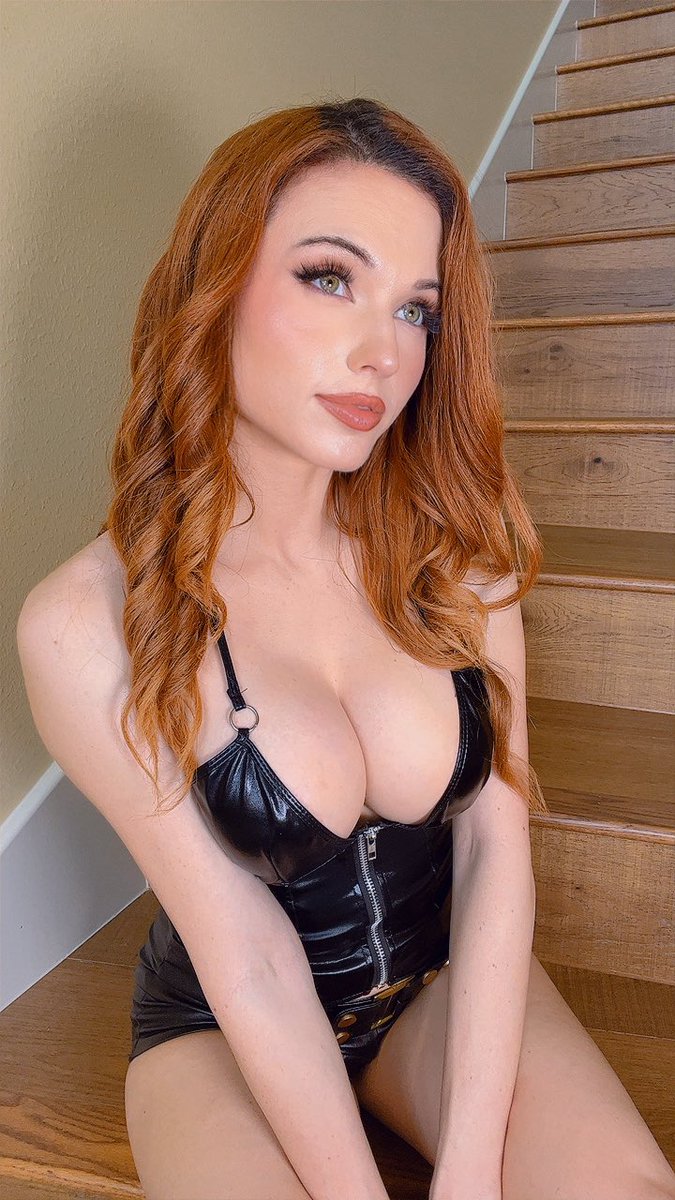
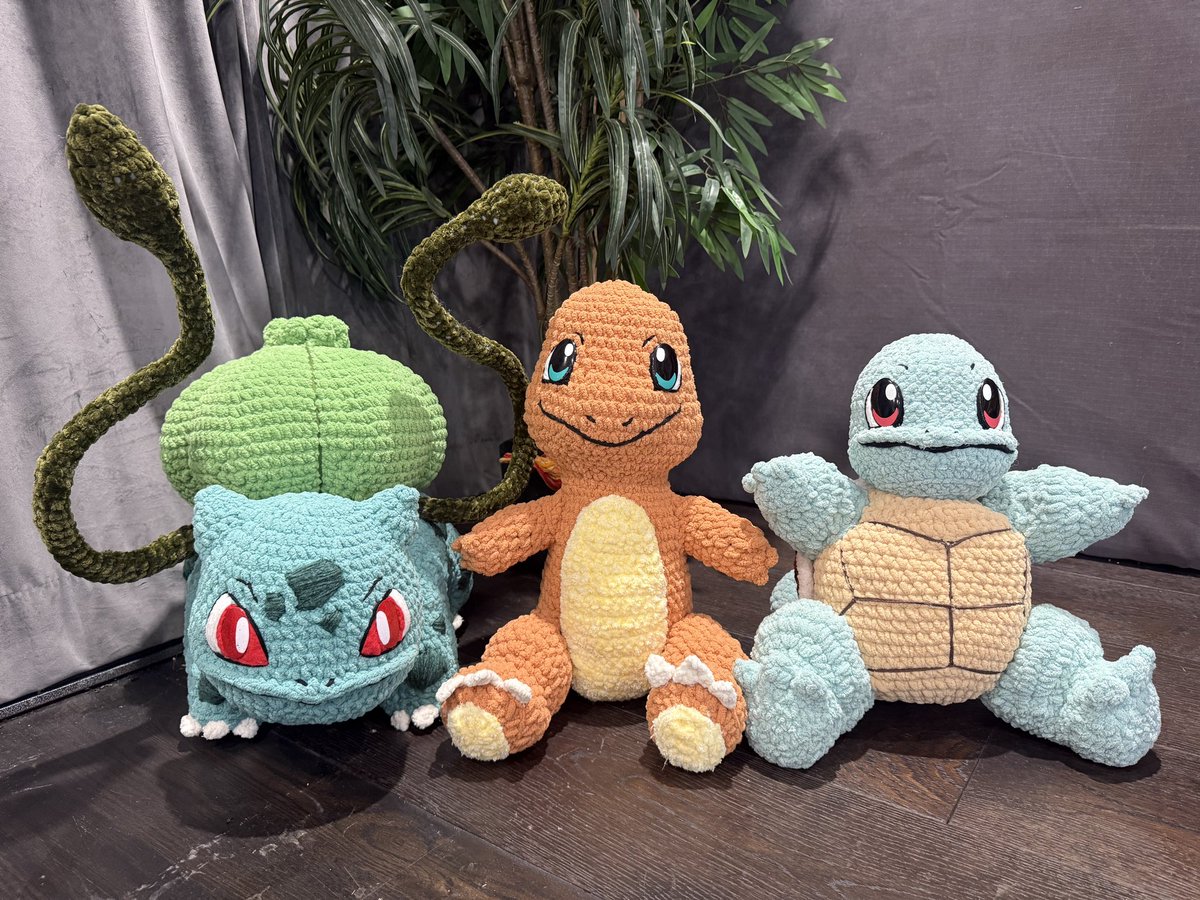
Quick answer: Streamer and OnlyFans creator Amouranth (Kaitlyn Siragusa) went live on Whatnot selling Pokémon booster packs in late September 2026, promoted an AI Twin chat product, kept Twitch and OnlyFans active, and publicly said she and husband Nick Lee were not speaking.


Did Amouranth Quit OnlyFans for Whatnot?
No. Clip accounts joked about a full quit; her pattern is platform stacking — Twitch audience, OnlyFans margin, live commerce, AI chat. SEO terms: “Amouranth Whatnot,” “Amouranth Pokémon,” “Amouranth AI Twin,” “Amouranth Nick Lee.”
FAQ
Is Amouranth still on OnlyFans?
Yes. Whatnot is an added sales channel.
What is Amouranth’s AI Twin?
An AI chat version of herself she promoted as live in September 2026.

Why This Amouranth Story Matters for U.S. Readers
American readers who land on this update usually want a straight answer: what changed, who is involved, and why the story is circulating now. Coverage of Amouranth sits where celebrity culture meets platform money and Google search habits. That mix is why OnlyFans and celebrity-nude queries keep showing up in Search, Discover, and News results.
The durable value is context, not noise. A useful post separates verified public statements from recycled gossip, labels dollar figures as reported when they are not audited, and explains stakes in plain English. For this story, the core through-line is creator diversification into live shopping, AI products, and multi-platform income beyond a single OnlyFans feed.
Search Intent and Snippet-Ready Facts
People type confirmation queries, detail queries, and consequence queries. Confirmation asks whether the headline is real. Detail asks for dates, amounts, and names. Consequence asks what happens to careers, court cases, or platform rules next. Strong articles answer all three without thin padding.
- Confirmation: Rely on official posts, named outlets, and primary documents when available.
- Detail: Keep numbers and timelines precise; mark estimates clearly.
- Consequence: Focus on jobs, reputation, legal process, or product changes—not empty outrage.
Industry Context in 2026
Subscription adult platforms are no longer a niche footnote in U.S. business and entertainment coverage. Valuation headlines, athlete experiments, reality-star launches, and school-policy fights all feed the same reader loop: scan the facts, check the source, decide whether to follow the person or the platform. Writers who only chase shock miss the structural story; writers who only lecture miss what audiences actually search.
Responsible coverage of Amouranth therefore balances human detail with business and policy framing. When medical recovery, employment status, or corporate stakes are involved, say what is known and what is still unknown. That is how long-form posts stay useful after the first social media spike.
How to Follow the Story From Here
After the first wave of articles, watch for direct statements from the people named, corrections from major outlets, and any filing or company note that locks down numbers. Secondary sites often reuse the same photos and embeds. Primary value comes from clearer timelines, accurate quotes, and U.S.-relevant explanation. If you arrived from Google Discover or Google News, use the sections above as a quick checklist: fact, source, stakes, next step.
Key Takeaways
- The headline centers on Amouranth and the public facts available at publication time.
- Reported financial or medical claims should be read as claims until primary documents appear.
- U.S. search interest stays high when a familiar name meets a clear change in money, policy, or personal status.
Frequently Asked Questions
Is every detail in circulating posts verified?
No. Treat screenshots and second-hand figures carefully. Prefer official accounts and named reporting.
Why do Americans search this topic?
Recognizable names plus a concrete change—earnings, policy, career move, or conflict—drive repeat queries.
What should readers do next?
Check the latest primary statement, be cautious with unofficial links, and separate entertainment gossip from legal or medical fact.
Watch: Amouranth AI Twin Promo Video
Video via @Amouranth on X
Additional Context for Google News and Discover
Stories in this category perform when they deliver a complete brief: who is involved, what changed, and why a U.S. reader should care. Thin posts that only restate a social caption underperform because they leave the main questions unanswered. Expanding the record with timeline clarity, named sources, and practical takeaways is the difference between a one-click bounce and a page that earns return visits.
Editors tracking OnlyFans and celebrity-nude coverage also watch for duplication across near-identical headlines. Each URL should still stand alone with enough original explanation that a Discover user is not forced to open three tabs to understand the same event. That is the standard this update is written to meet.
Practical Reading Notes
When financial figures appear, ask whether they come from a company announcement, a creator screenshot, or an unverified viral post. When medical or legal outcomes appear, prefer first-person updates and official notices over anonymous comments. When a celebrity or athlete launches a subscription page, note whether the stated content is explicit, lifestyle, or mixed—and update if the feed later diverges from the launch promise.
These habits protect readers and keep entertainment reporting closer to newsroom standards even when the subject matter is adult platforms or nude celebrity moments. The goal is still the same: accurate, readable, search-friendly journalism in American English.
Why this story matters for U.S. readers
American search interest around Amouranth Sells Pokémon Packs on Whatnot, Launches AI Twin, and Keeps the Multi-Platform Machine Running is not random. Google rewards pages that answer the core question quickly, then add context a senior reporter would actually care about: money, timing, platform rules, and what changes for creators or fans next. Thin recap posts fail because they repeat the same three sentences from a press blurb. This expansion is written to push the article past that floor.
If you landed here from Discover or News-style recommendations, you probably want three things. First, a clean summary of what happened. Second, whether the claim is verified, reported, or still contested. Third, how it connects to the wider OnlyFans and celebrity-creator economy in the United States. Those three layers are how a page earns time-on-page instead of a one-second bounce.
Search intent and how this page is structured
Most queries tied to this headline fall into “know” intent. People want facts, names, numbers, and a straight answer. A smaller set of readers want “do” intent — photos, clips, or a link path. Very few have “go” intent unless there is a live event or product drop attached. Structuring the article with clear H2 sections, FAQs, and explicit labels like “reported” versus “confirmed” matches how Google’s systems evaluate helpful content in 2026.
For celebrity and OnlyFans coverage aimed at a U.S. audience, American English, concrete figures, and primary-source attribution outperform vague moral commentary. Readers can form their own opinions. What they cannot do is invent missing context. That is the job of the article body.
Creator economy context
OnlyFans and adjacent platforms changed the bargaining power of performers, influencers, and athletes who were previously stuck waiting on traditional gatekeepers. When a story breaks — a launch, a quit, a legal fight, a fashion-week stunt, a payout claim — it lands inside that larger shift. U.S. creators watch these headlines as market signals: what audiences pay for, what brands will tolerate, and what platforms enforce.
That is why word count alone is not the goal. Density is. Every extra paragraph should either add a verifiable detail, explain a consequence, or answer a follow-up question a smart reader would ask out loud. If a section does not do one of those three jobs, it is padding. This block is designed to do all three for the topic in the headline above.
What to watch next
Follow-up coverage usually comes in three waves. The first wave is the announcement. The second wave is reaction, screenshots, and rival creator commentary. The third wave is the quieter operational news: policy changes, deleted posts, corrected figures, or legal filings. Bookmarking a well-structured page helps only if that page is updated when wave three arrives. Until then, treat early numbers as provisional and early quotes as single-source unless independently confirmed.
For fans, the practical takeaway is simpler. Know what you are paying for, know the platform rules, and do not confuse a viral claim with audited revenue. For creators, the takeaway is strategic. Attention is a renewable resource only if trust survives the news cycle. Stories like this one are reminders that the public narrative moves faster than payout dashboards — and both matter.
Author: Shivam Das · Senior entertainment desk · Updated for U.S. readers


