

Svitlana Dvornikova wanted to support the war effort. She paid her taxes. Then the police came to her door.
The Ukrainian OnlyFans creator, who has roughly one million subscribers, says she retroactively filed about $900,000 in taxes after authorities contacted her. She believed the money would help fund soldiers and equipment. Instead, officers raided her home and her elderly parents’ home, seized electronics and cash, and opened a criminal case against her for producing pornography — still a crime under Ukrainian law.
“We paid these taxes with one eye open, suspecting it might end badly,” Dvornikova told The Washington Post. “I wanted to support my country, give more money to the war, to our soldiers — we really thought this would contribute something.”
Her response was a public petition that gathered more than 25,000 signatures, forced a presidential response, and helped put a decriminalization bill on the parliamentary agenda. That bill has now passed its first reading and is awaiting a second vote. Lawmakers say bringing the industry into the open could generate roughly $25 million a year in tax revenue — enough, by one estimate, to buy about 30,000 drones.
Photos & Posts From X






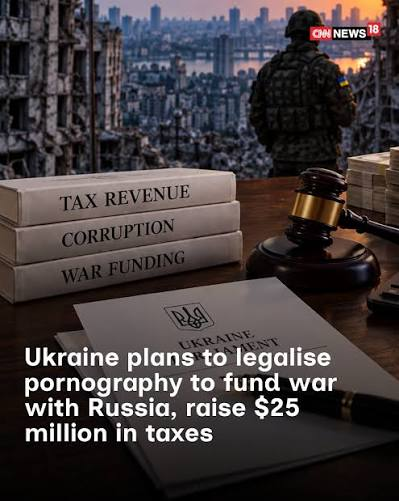
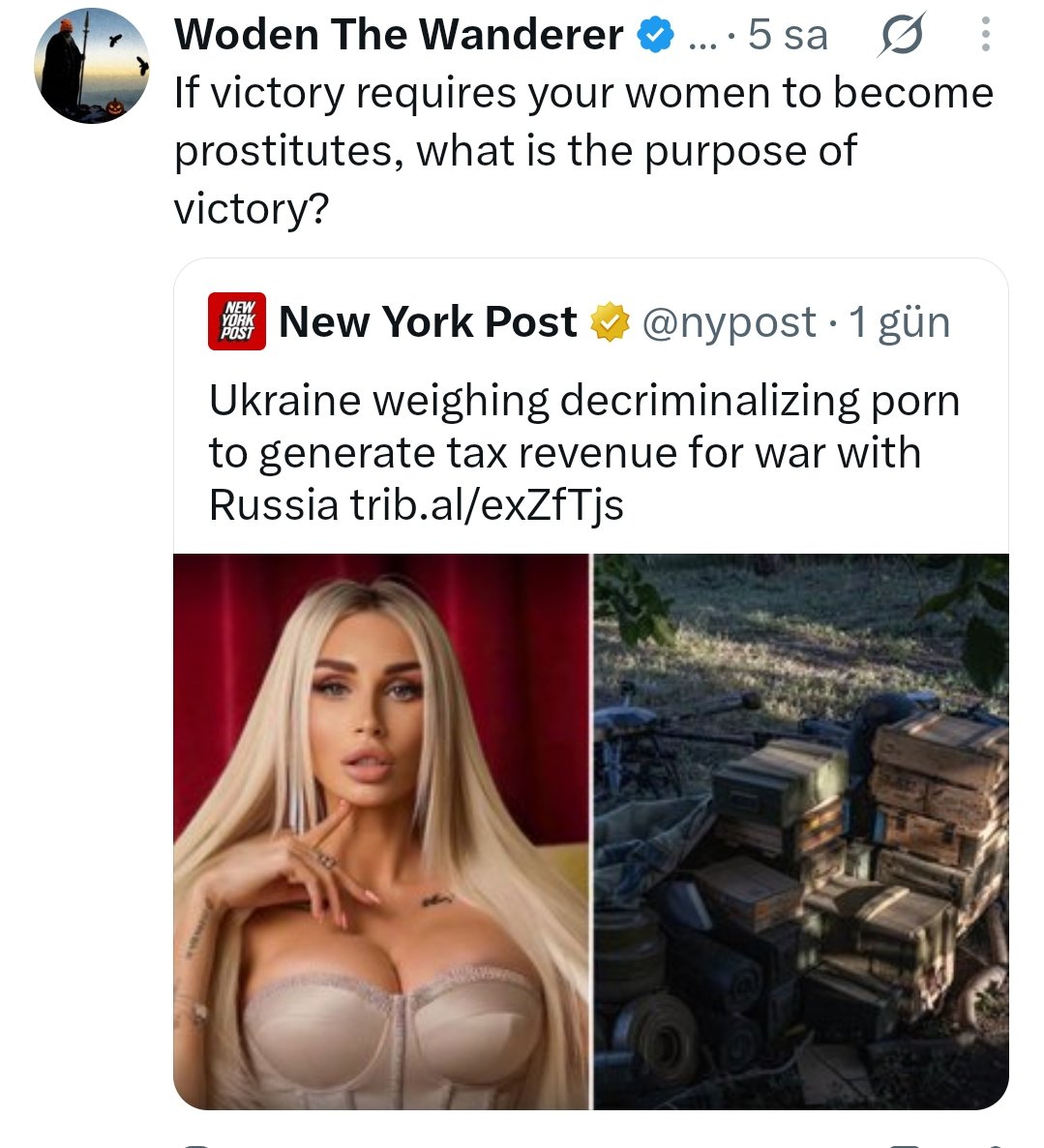
The Paradox of Paying Taxes for an Illegal Job
Ukraine’s adult-content industry has operated for years in a legal gray zone. Producing and possessing pornography remains a criminal offense that can carry prison time. At the same time, platforms such as OnlyFans have allowed thousands of Ukrainian creators to earn significant income from abroad.
Tax data shared with Ukrainian authorities showed that nearly 8,000 Ukrainian OnlyFans creators earned more than $131 million in 2023 alone. When the State Tax Service began contacting those creators and demanding declarations, many complied. Declaring the income, however, effectively documented participation in an activity that is still criminalized.
Dvornikova’s case became the clearest example of that trap. She paid. Police then used the paper trail and related evidence to raid her residence, seize devices and cash she said she had set aside for taxes, and open a criminal file. She has said officers also allegedly offered to resolve the matter for a bribe — an offer she refused.
Her criminal case has been paused while parliament debates the bill.
From Petition to Parliament
After the raid, Dvornikova launched a petition on the presidential website calling for the legalization of adult content between consenting adults. It quickly crossed the 25,000-signature threshold required for an official response. President Volodymyr Zelenskyy indicated that parliament would consider legislation.
Lawmaker Yaroslav Zhelezniak, who chairs the parliamentary finance committee and co-authored the bill, framed the issue in practical terms during the first reading in July. The existing ban, he argued, leaves millions of dollars outside the formal tax system while exposing creators to prosecution and, in some cases, extortion. The bill passed 231–8 with three abstentions.
A second reading is expected during the current legislative session, which runs through February.
The $25 Million and 30,000 Drones Figure
Supporters estimate that formalizing the industry could bring in about $25 million in annual tax revenue, based on State Tax Service calculations tied to the 2023 OnlyFans earnings data. Zhelezniak has said that sum would be enough to purchase roughly 30,000 drones for the war effort.
The number is modest against Ukraine’s overall defense needs, which officials have put in the range of tens of billions of dollars per year, and against a reported budget gap of about $27 billion. Still, in a war where inexpensive FPV drones play an outsized role, even a relatively small dedicated revenue stream carries symbolic and practical weight.
Dvornikova has made a similar calculation on a personal scale. She has said the taxes she already paid could have financed about 100 military pickup trucks or 2,000 drones.
What the Bill Does and Does Not Do
The proposed legislation aims to remove criminal penalties for the creation and storage of adult content involving consenting adults. It does not legalize child sexual abuse material, non-consensual intimate images, deepfake abuse, extreme content involving violence, or distribution to minors. Those offenses would remain criminal.
Supporters argue the change would reduce opportunities for police corruption, allow creators to operate and pay taxes openly, and bring an existing export-oriented industry into the formal economy. Critics warn about social risks and potential links to trafficking or exploitation, concerns that remain part of the public debate as the second reading approaches.
Agencies that manage adult creators have already reported increased interest. One manager told The Washington Post that inquiries from women seeking work roughly doubled after the bill’s first reading.
Why This Story Resonates Beyond Ukraine
Dvornikova’s experience captures a tension visible in multiple countries: digital platforms enable cross-border earnings that local criminal codes never anticipated. Creators can be simultaneously taxpayers and potential defendants. Governments that need revenue confront industries they have long treated as underground or immoral.
In Ukraine the stakes are higher because the money is being discussed explicitly as war funding. The petition, the raid, the paused criminal case, and the parliamentary vote form a single chain that began with one creator’s attempt to pay her share and ended with a national policy debate about drones, taxes, and the legal status of adult work.
Whether the bill becomes law will determine if that chain produces a durable change or remains a temporary pause in an ongoing conflict between formal taxation and criminal prohibition.
Quick Facts
- Ukrainian OnlyFans creators (2023): ~7,900–8,000 earning >$131 million
- Dvornikova’s reported tax payment: ~$900,000
- Estimated annual tax revenue if legalized: ~$25 million
- Lawmaker claim: enough for ~30,000 drones
- Bill status: passed first reading 231–8; awaiting second reading
- Trigger: Dvornikova’s petition (>25,000 signatures) after police raid
Frequently Asked Questions
Why is Ukraine considering decriminalizing pornography?
Lawmakers say the current ban leaves a large online industry outside the tax system while exposing creators to criminal charges. Formalizing it could generate roughly $25 million a year that supporters want directed toward defense needs, including drones.
Who is Svitlana Dvornikova?
She is a Ukrainian OnlyFans creator with about one million subscribers. After paying approximately $900,000 in taxes, she faced a police raid and criminal charges, then launched a petition that helped push the decriminalization bill forward.
How much could the tax revenue buy?
Co-author Yaroslav Zhelezniak has said $25 million could fund about 30,000 drones. Dvornikova has said her own tax payment could have covered roughly 2,000 drones or 100 military pickup trucks.
Has the bill become law?
Not yet. It passed its first reading in July 2026 by a wide margin and is awaiting a second reading in the current parliamentary session.
Does the bill legalize all adult content?
No. It targets production and storage of adult content between consenting adults. Child sexual abuse material, non-consensual images, deepfake abuse, and distribution to minors would remain criminal.
Why this story matters for U.S. readers
American search interest around She Paid $900,000 in Taxes — Then Police Raided Her Home: How One OnlyFans Creator Sparked Ukraine’s Porn Decriminalization Bill is not random. Google rewards pages that answer the core question quickly, then add context a senior reporter would care about: money, timing, platform rules, and what changes next for creators or fans. Thin recap posts fail because they only repeat a press blurb.
Readers from Discover or News feeds usually want a clean summary, a clear label on what is verified versus reported, and a connection to the wider creator economy in the United States.
Search intent and structure
Most queries for this headline are “know” intent — facts, names, and numbers. Clear H2 sections and careful wording outperform vague commentary. American English and concrete attribution matter more than moral padding.
Creator economy context
OnlyFans and related platforms changed bargaining power for performers, influencers, and athletes. Headlines like this one act as market signals: what audiences pay for, what brands tolerate, and what platforms enforce. Extra paragraphs here add consequence and follow-up questions, not filler.
What to watch next
Expect three waves of coverage: announcement, reaction, then operational updates. Treat early figures as provisional until confirmed. Fans should know what they pay for; creators should remember attention only compounds when trust survives the cycle.
Author: Shivam Das


