

Camille Herron has won world championships, broken records that once seemed unreachable, and run farther in six days than most people drive in a month. Now she is paying for her own career on OnlyFans.
The 44-year-old American ultrarunner — widely regarded as one of the greatest endurance athletes alive — has launched an adult-content account and is describing it in blunt terms: self-sponsorship. Traditional brand deals dried up after a high-profile controversy. Rather than quit competing, she is monetizing her image directly while continuing to train and race at the highest level.
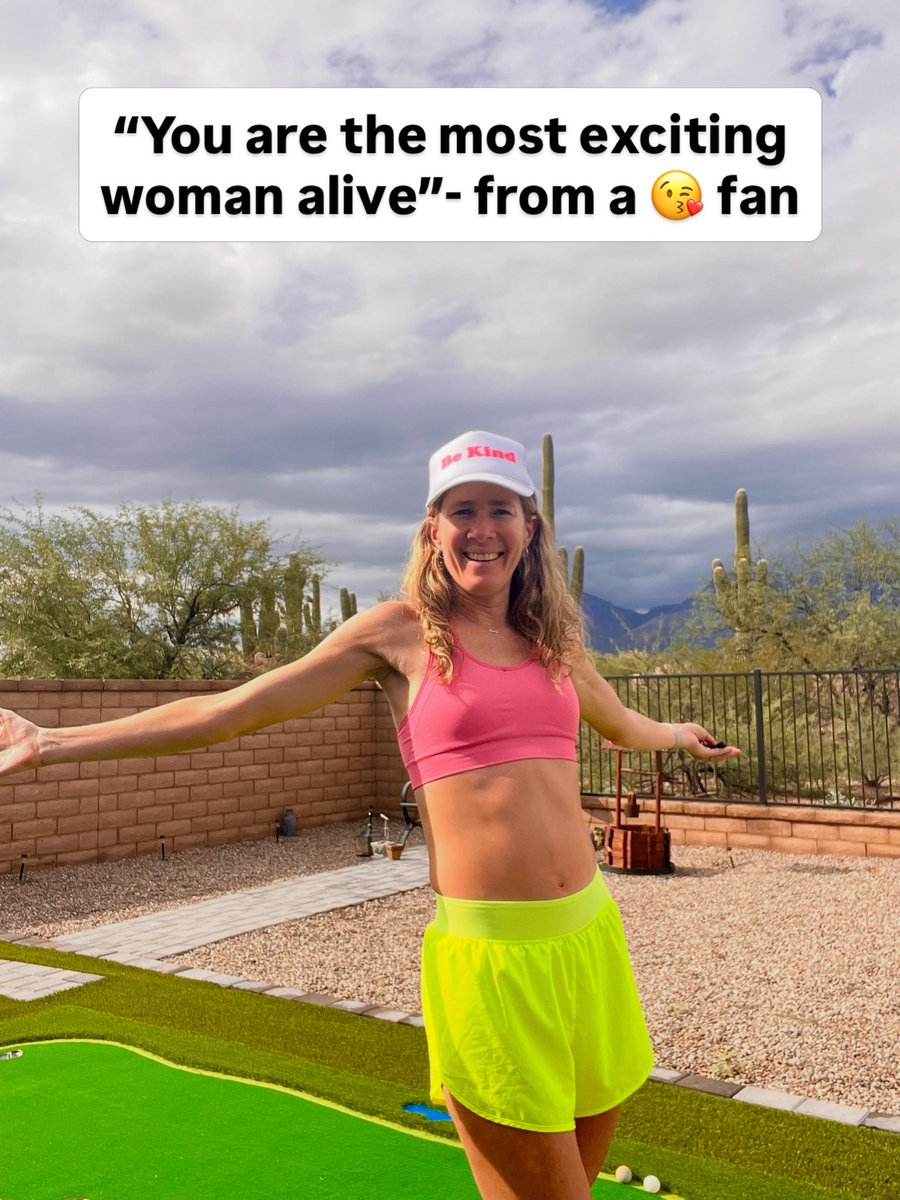
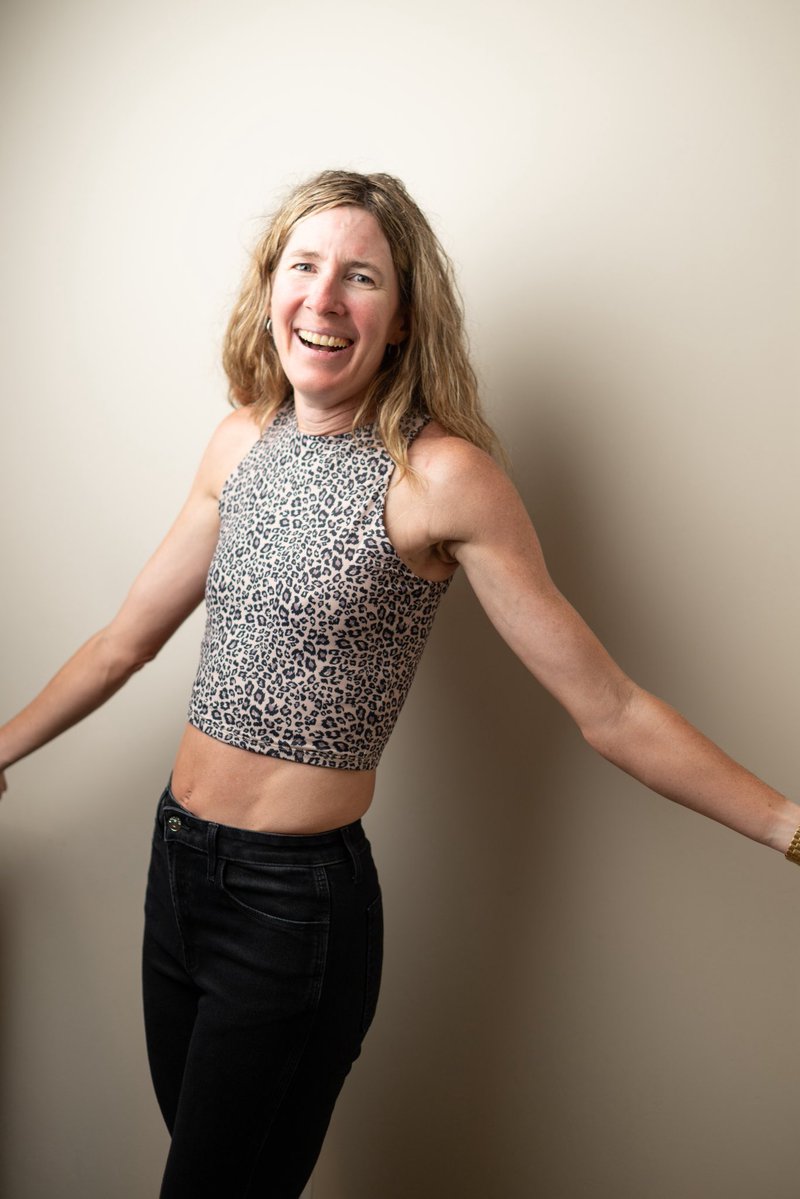
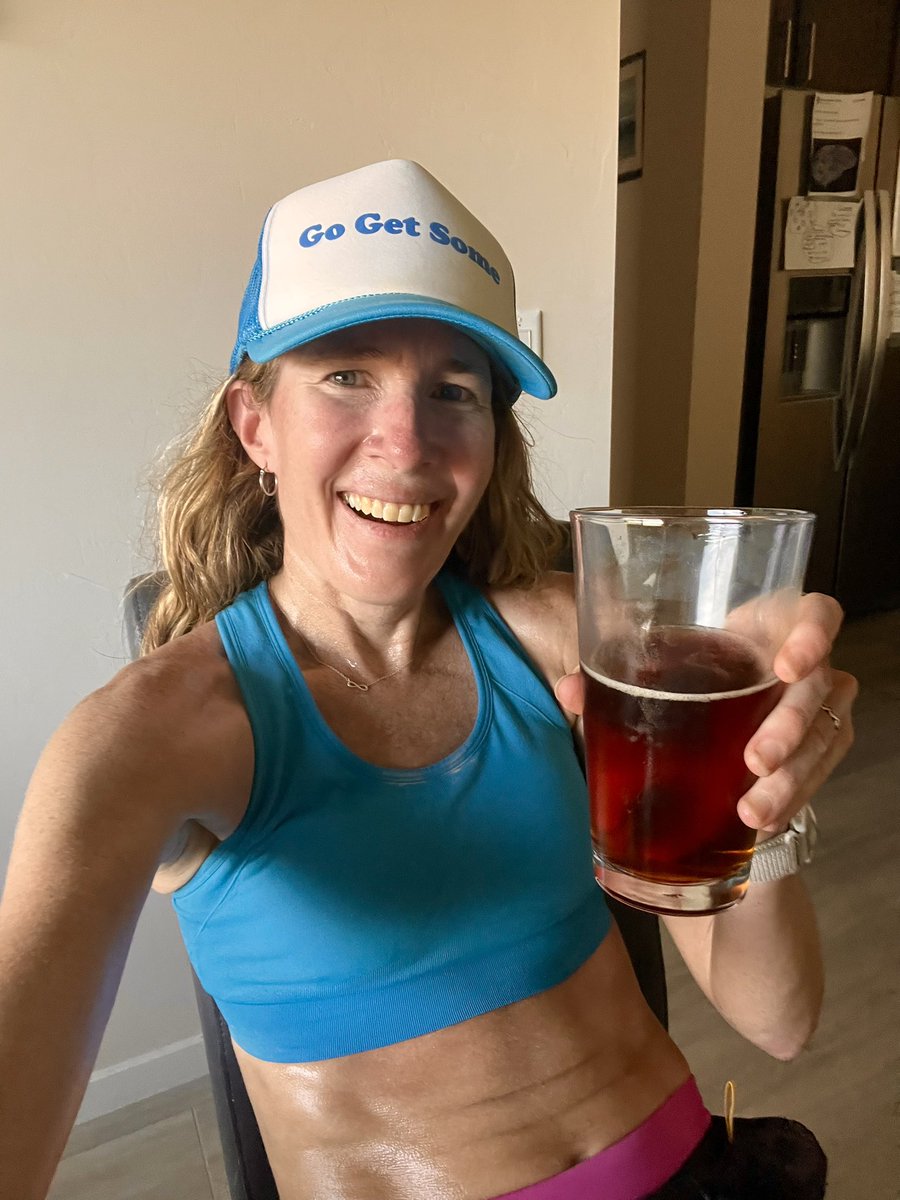
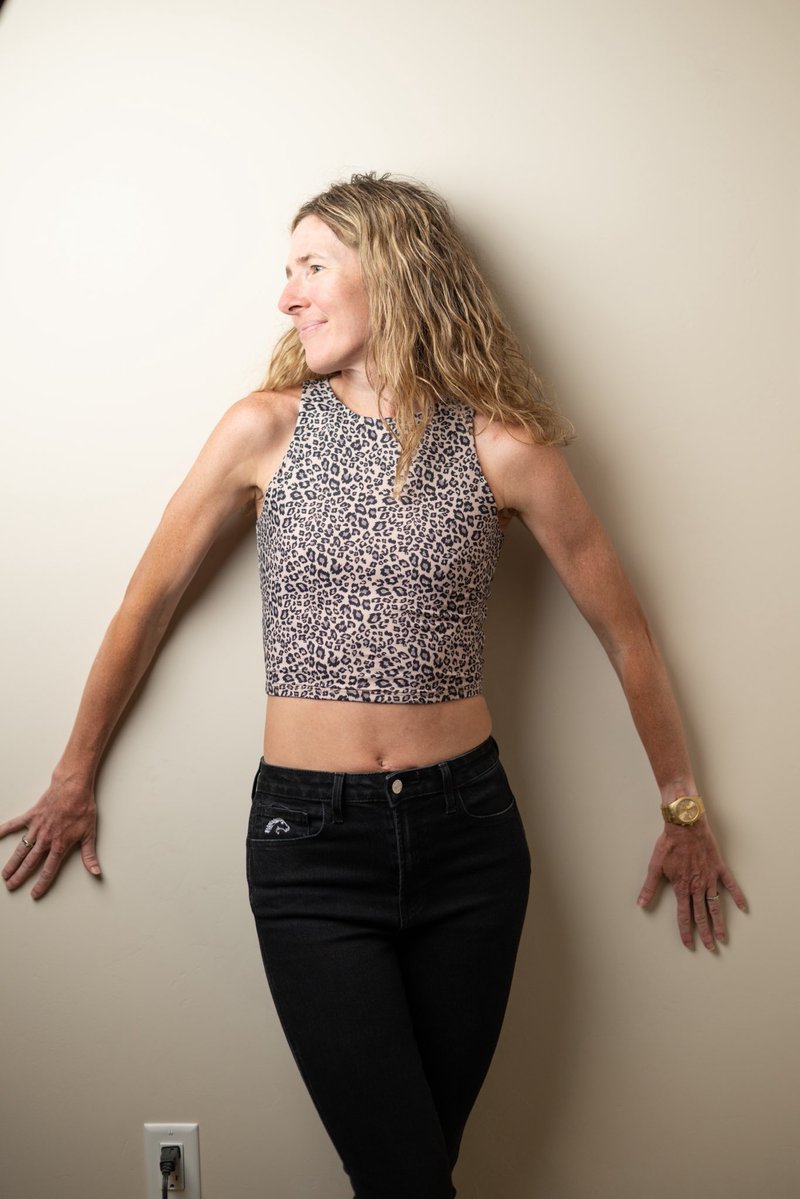
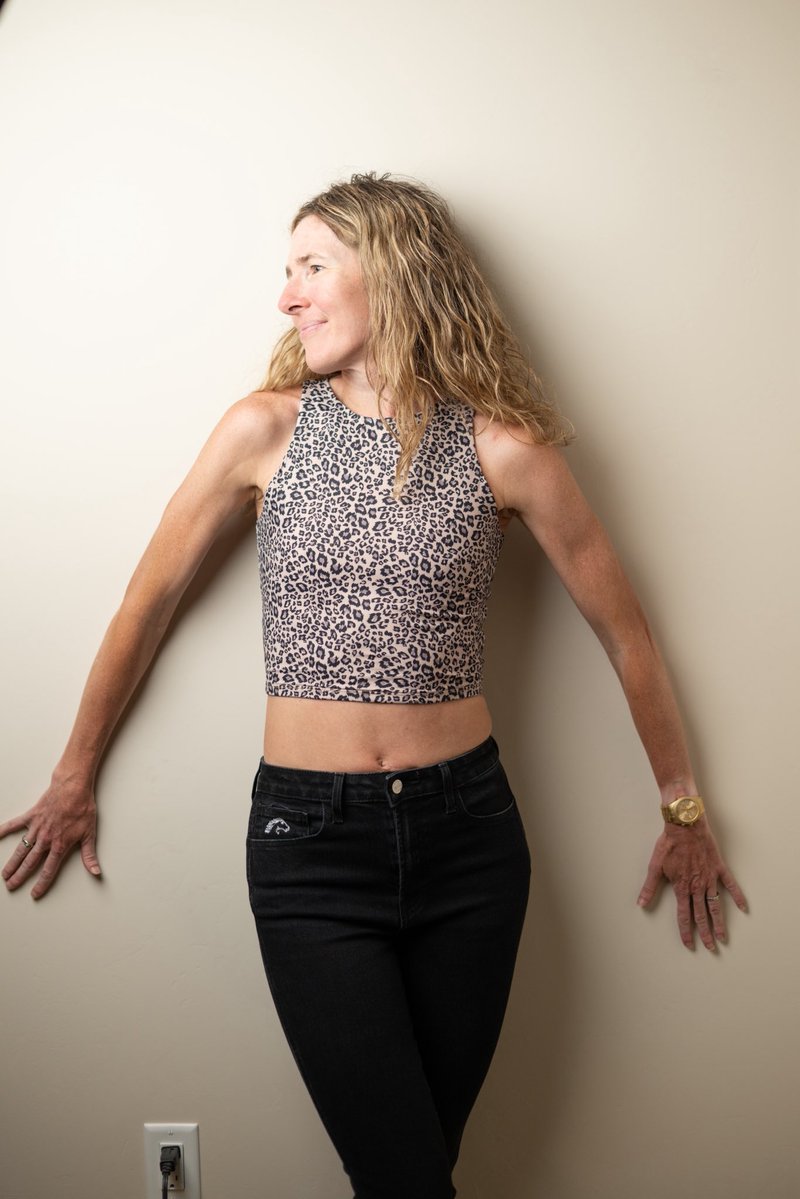
“I’m expanding my professional horizons into modeling & being an adult creator — while continuing to compete at the highest level in my sport,” Herron wrote on X. “In a very real sense, I’m sponsoring myself.”
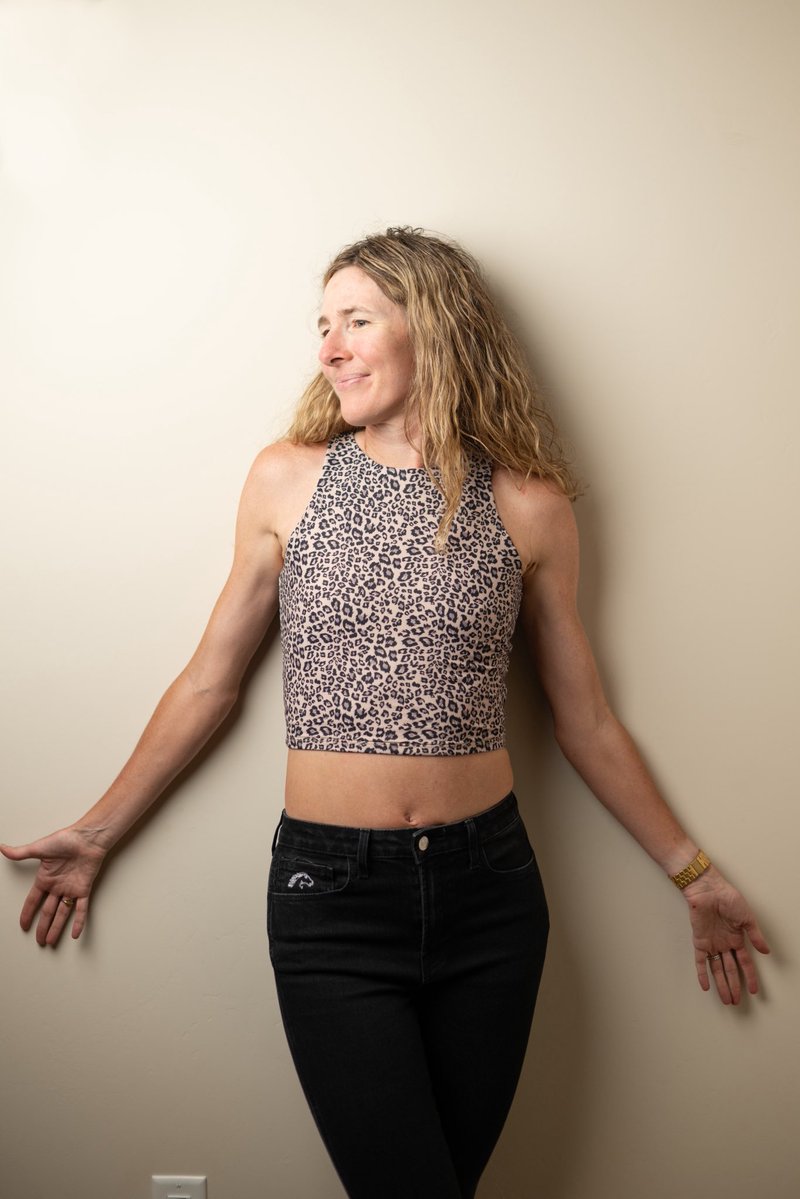
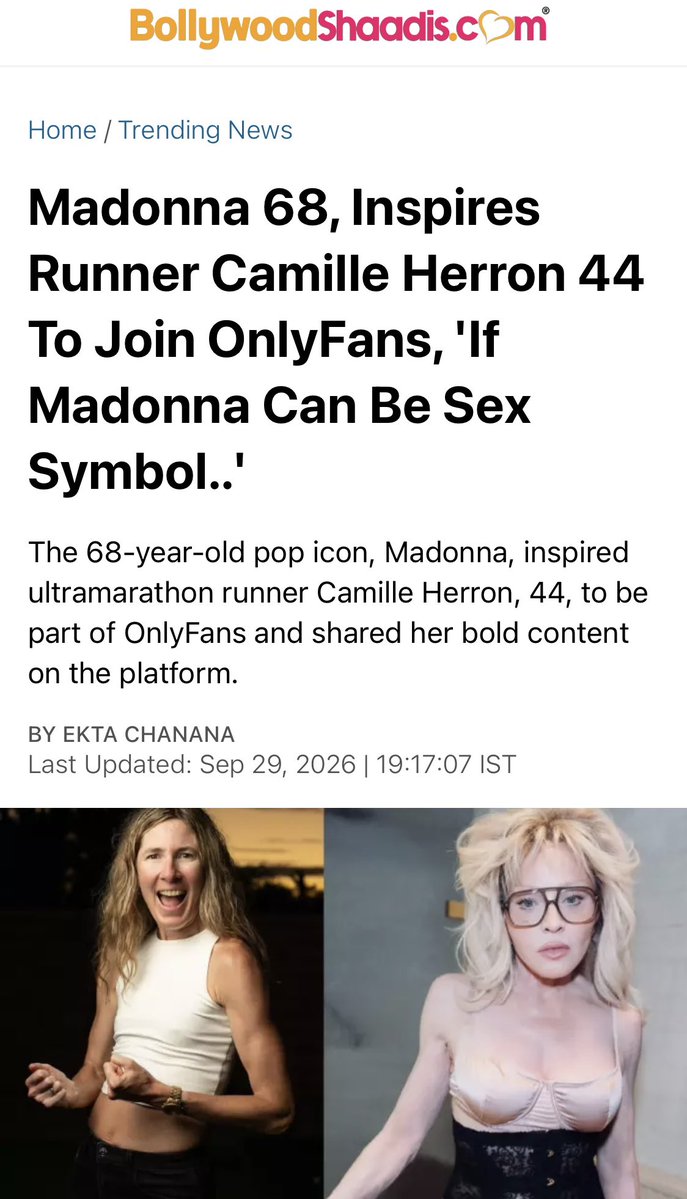
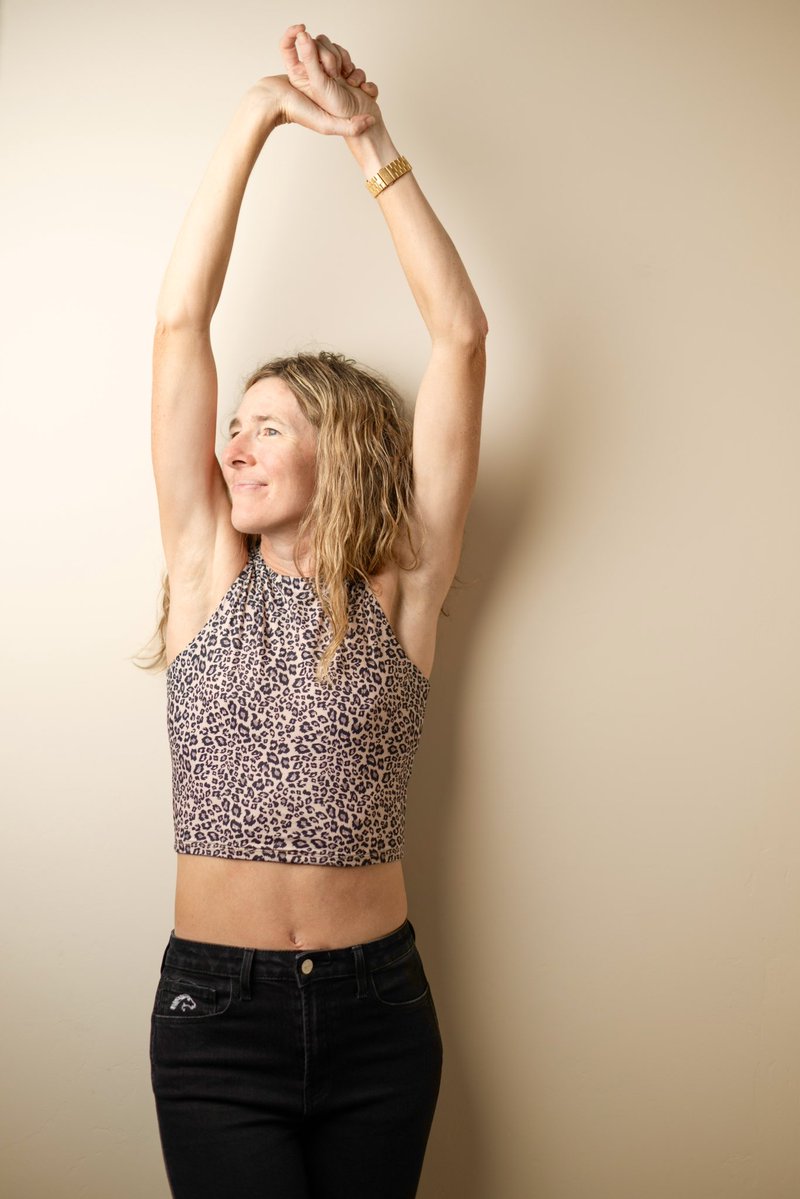
Photos & Posts From X


A Résumé Almost No One Can Match
Herron’s competitive record is extreme even by ultrarunning standards. She is the only athlete of either gender to win all three International Association of Ultrarunners (IAU) World Road Championship distances: 50K, 100K, and 24-hour. She won the Comrades Marathon in 2017. She became the first woman to finish the 153-mile Spartathlon under 24 hours, clocking 22:35. She has set multiple world records, including a six-day mark of more than 560 miles.
She is a four-time IAU International Ultrarunner of the Year, a six-time USATF Ultrarunner of the Year, a three-time U.S. Olympic Marathon Trials qualifier, and a 2024 inductee into the Road Runners Club of America Distance Running Hall of Fame. BBC Sport has called her the greatest ultramarathon runner of all time.
Those credentials usually guarantee stable sponsorship. In Herron’s case they did not.
How Sponsorship Collapsed
In recent years Herron became entangled in a public dispute involving Wikipedia edits that critics said diminished rival athletes while elevating her own achievements. She has said she was not involved in the edits, that her husband acted in good faith, and that media coverage never fully included her side of the story. Legal matters related to the episode remain pending, she has said.
The practical result was immediate. Lululemon ended its ambassador relationship. Other major shoe and apparel partners did not step in. For an athlete of her stature, going two years without a primary sponsor is unusual. Training, travel, race entries, and recovery still cost money. The platform that once paid her to wear a logo went quiet.
OnlyFans became the alternative.
Madonna, Creative Freedom, and ‘Sex Symbol’ Ambition
Herron has been open about the cultural reference that helped her decide. In interviews she has cited Madonna’s long career of controlling her own image and sexuality as inspiration. “If Madonna can do it, why not me?” she has said. “I want to be a sex symbol.”
She frames the account as more than emergency income. She grew up performing as a dancer and musician and has said she wanted a creative outlet that traditional sports media and brand partnerships never fully allowed. On OnlyFans she posts modeling, artistic nudes, adult content, and personal material while continuing to share training and racing updates elsewhere.
Early results have been positive by her account. She has reported roughly 2,300 followers on the platform and a sex-positive community that matches her comfort with open discussion of sexual health. She has also said she did not fully understand what OnlyFans was when she first considered it and had to ask her husband — a detail that undercuts any narrative of a calculated long-term content strategy.
Part of a Wider Athlete Migration
Herron is not the first endurance or outdoor athlete to use the platform. Ultrarunner Sabrina Stanley and others have preceded her. OnlyFans itself has courted athletes with partnerships that emphasize training content, lifestyle access, and brand independence rather than purely explicit material. WNBA player Erica Wheeler’s earlier corporate partnership with the platform is one example of that broader push.
What distinguishes Herron’s case is the combination of elite achievement, public sponsorship loss, and explicit self-funding language. She is not retiring into content. She is using content to keep competing while traditional commercial structures have closed.
What She Says She Will Keep Doing
Herron has been clear that the account does not replace the sport. She intends to keep training, racing, and chasing records — including, she has said, some men’s marks. The same body that logs 100-mile world-record paces is now also the product she is selling access to. In her telling, ownership of that image is the point.
“For me it’s about freedom, independence, being the owner of my body and my creativity, connecting directly with my audience and being myself,” she has written. She has also said she hopes the move helps open a door for more athletes to support their own careers when conventional sponsorship is unavailable or withdrawn.
Whether other elite endurance athletes follow the same path will depend on how the market responds and how governing bodies and remaining sponsors react. For now, one of the most decorated ultrarunners in history is funding her next season one subscription at a time.
Quick Facts
- Athlete: Camille Herron, 44, American ultrarunner
- Key titles: Only athlete to win all three IAU World Road Championship distances; Comrades winner; Spartathlon sub-24 pioneer
- Records: Multiple world records including 100-mile and six-day marks (560+ miles)
- Honors: 4× IAU Ultrarunner of the Year; 6× USATF Ultrarunner of the Year; RRCA Hall of Fame
- OnlyFans move: Adult content + modeling framed as self-sponsorship after major brand loss
- Status: Continues competing at elite level
Frequently Asked Questions
Why did Camille Herron join OnlyFans?
She has said major sponsorships ended after a public controversy and that she is using the platform to fund her continued elite career — effectively sponsoring herself — while also pursuing modeling and creative expression.
Is she retiring from ultrarunning?
No. Herron has stated she will keep training, racing, and chasing records, including some men’s marks.
What is her competitive background?
She is the only athlete to win all three IAU World Road Championship events (50K, 100K, 24-hour), a Comrades Marathon champion, the first woman under 24 hours at the Spartathlon, and a multiple world-record holder across ultra distances.
How does she describe the content?
She has said the account includes modeling, artistic nudes, adult content, and personal material, and that she views controlling her own image as a form of independence and creative freedom.
Are other athletes doing the same?
Yes. A growing number of outdoor and endurance athletes have used OnlyFans for income or brand independence. Herron’s case stands out because of her elite record and explicit self-sponsorship framing after lost traditional deals.
Why this story matters for U.S. readers
American search interest around Ultrarunning Legend Camille Herron Joins OnlyFans to ‘Sponsor Herself’ After Losing Major Brand Deals is not random. Google rewards pages that answer the core question quickly, then add context a senior reporter would care about: money, timing, platform rules, and what changes next for creators or fans. Thin recap posts fail because they only repeat a press blurb.
Readers from Discover or News feeds usually want a clean summary, a clear label on what is verified versus reported, and a connection to the wider creator economy in the United States.
Search intent and structure
Most queries for this headline are “know” intent — facts, names, and numbers. Clear H2 sections and careful wording outperform vague commentary. American English and concrete attribution matter more than moral padding.
Creator economy context
OnlyFans and related platforms changed bargaining power for performers, influencers, and athletes. Headlines like this one act as market signals: what audiences pay for, what brands tolerate, and what platforms enforce. Extra paragraphs here add consequence and follow-up questions, not filler.
What to watch next
Expect three waves of coverage: announcement, reaction, then operational updates. Treat early figures as provisional until confirmed. Fans should know what they pay for; creators should remember attention only compounds when trust survives the cycle.
Author: Shivam Das


