
Quick answer: In Roblox The Hollow, solo runs give you control over pace and route choices, while group runs can make clue hunting and recovery easier—but only when teammates communicate instead of scattering. After five nights of a rotating maze-and-monster format, the most useful comparison is not “solo is always faster” or “groups always survive.” It is whether your team can stay coordinated while completing the objective. Roblox has not published official solo-versus-party win rates, so this is a practical strategy comparison, not a claim based on platform-wide telemetry.
Updated October 27, 2026. This guide separates official event facts from tactical advice and community-style observations; check the live hub for the current floor, quests, and monster.
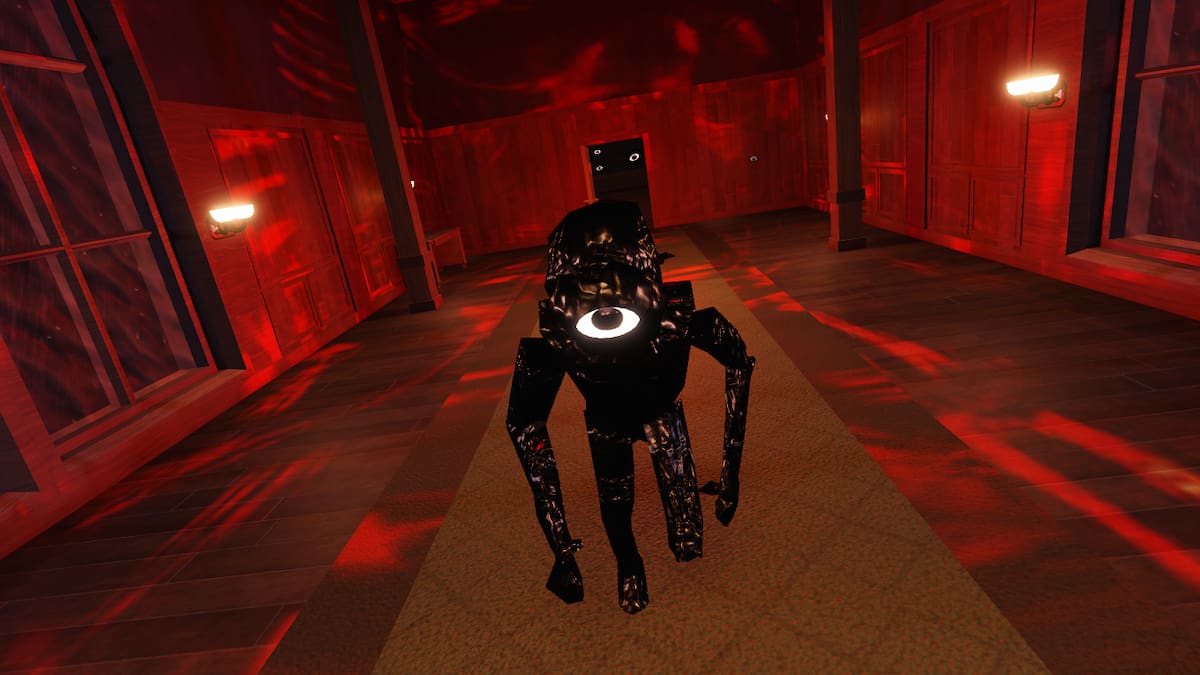
Table of Contents
- What five nights tell us
- Solo vs. group at a glance
- When solo is the smarter choice
- When a group has the edge
- The five-night checklist
- Mistakes that make groups slower
- A practical run routine
- Frequently asked questions
What Five Nights Tell Us About The Hollow
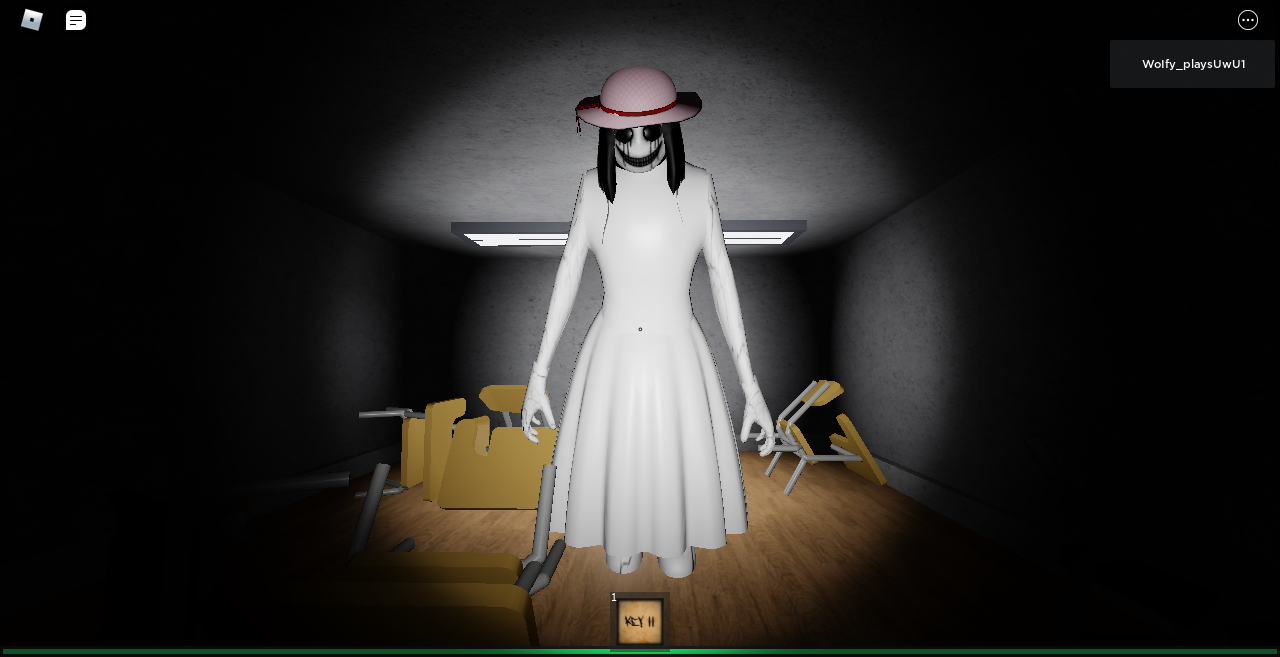
Roblox describes The Hollow as a shared survival event with nine horror-game monsters arriving over nine days. Players navigate a maze, search for clues, evade the active threat, and complete quests for rewards. The official announcement confirms the nine-monster format and an October 31 live finale, with reward collection continuing until noon Pacific time on November 2. It does not publish a verified solo-versus-group success-rate chart.
That distinction matters. “Five nights of data” is best treated as a five-stage decision framework: compare how you scout, communicate, recover from a wrong turn, and finish objectives—not as a statistically verified experiment with a known number of runs. The maze and monster can change, and a route that felt safe on one night may not transfer cleanly to the next.
Across repeated survival-maze attempts, three practical variables tend to matter more than party size alone: route discipline, information sharing, and how quickly the team stops a bad plan. A solo player naturally avoids voice-chat confusion. A coordinated group can split low-risk information gathering, call out danger, and help a lost player reorient. An uncoordinated group can create more noise and more detours than it removes.
Solo vs. Group: The Trade-Offs
| Factor | Solo run | Group run |
|---|---|---|
| Decision speed | One player chooses the route; no debate. | Fast when one person calls the route and others confirm. |
| Clue coverage | You must personally check each lead. | Players can share observations, if they remain in contact. |
| Navigation | Simple mental map; fewer conflicting directions. | Useful callouts, but separated players may describe different areas. |
| Chase response | One person makes a quick escape decision. | Teammates can warn each other, but regrouping can cost time. |
| Learning the map | Clear feedback on your own mistakes. | More viewpoints, though it can be hard to tell which route worked. |
| Best fit | Confident navigators who prefer a calm, controlled run. | Friends who use short, precise callouts and share one objective. |
The short version: party size is not a substitute for a plan. If your friends sprint in different directions without marking landmarks, a group can be less efficient than a careful solo player. If one teammate calls landmarks and everyone follows the same objective, group play can reduce duplicated searching.
When Solo Is the Smarter Choice
1. You want to learn the layout
On a first attempt, solo play can make cause and effect easier to understand. You see which turn you took, where you hesitated, and which landmark helped you recover. Instead of chasing three different suggestions, use a simple mental map: starting point, major junction, objective room, and return path.
2. Your group has no agreed caller
Multiple players giving conflicting directions creates hesitation. If the group cannot agree on a caller before entering, a solo practice run—or a group rule that one player navigates—may be the cleaner option.
3. You can keep calm under pressure
Solo does not mean safer by default. It means fewer communication dependencies. If you already understand the objective and can respond to monster cues without panic, a solo attempt may help you maintain a consistent pace.

When a Group Has the Edge
1. Players share specific information
“I’m near the red light and the double doorway” is more useful than “I’m over here.” Agree on a few easy landmarks and use the same names throughout the run. If the game provides a visible objective marker, use it as the common reference rather than inventing a different route for every player.
2. The team avoids duplicate work
Divide attention, not the team into disconnected missions. One player can watch the objective and another can call the safest known return route, but everyone should know the current goal and how to regroup. If the maze or threat makes separation risky, stay close enough to share useful information.
3. You need a second set of eyes
In a horror maze, a teammate may notice a clue, an open route, or an approaching threat that you missed. The benefit exists only if the callout is timely and actionable. Keep messages short during a chase; save the explanation for after the immediate danger has passed.

The Five-Night Checklist: What to Compare Before Your Next Run
Use this checklist to make your own comparison honest and repeatable. It is a logging template—not a published dataset or a claim that every player experienced the same results.
- Objective clarity: Did everyone know what to collect or reach before moving?
- Route consistency: Could you name the last reliable landmark when the maze became confusing?
- Communication: Were callouts short, specific, and acknowledged?
- Recovery time: After a wrong turn or chase, did the team have a clear regroup point?
- Completion: Did the run finish the objective, and what single change would improve the next attempt?
Record these five points after each session. Avoid comparing only the fastest successful run with your slowest failure; that cherry-picks the outcome. If you want to decide whether solo or group play suits you, compare several attempts with similar objectives and note both completed runs and failed attempts.
Mistakes That Make Groups Slower
- Everyone leads: Agree on one navigator before the run starts.
- Vague callouts: Use landmarks, direction, and objective status instead of “this way.”
- Splitting without a plan: Set a regroup point and a rule for when to stop exploring.
- Talking over chase cues: Keep urgent messages brief; avoid long strategy debates while moving.
- Repeating the same failed route: After a failure, name the mistake and change one thing rather than restarting blindly.
For solo players, the equivalent mistake is treating every run as a fresh start. Remember the useful landmarks and the decisions that wasted time, but stay flexible: the official event says the maze changes as new monsters appear, so do not assume every route or hazard remains identical.
A Practical Routine for Your Next The Hollow Run
- Check the live hub first. Confirm the active floor, objective, and monster rather than relying on an old guide.
- Choose solo or group based on the goal. Solo is useful for learning a route; a coordinated group is useful when callouts and shared searching genuinely help.
- Name three landmarks. Start point, objective area, and a return or regroup point are enough to begin.
- Keep the objective visible in conversation. A teammate should be able to answer “what are we doing now?” in one sentence.
- Review the run immediately afterward. Note the wrong turn, missed clue, or successful callout while it is still fresh.
For official event details, start with the Roblox Newsroom announcement for The Hollow and the official The Hollow experience. The announcement confirms the nine-monster event, daily maze format, October 31 finale, and November 2 reward deadline. It does not confirm universal solo/group performance rankings, so treat any personal run log as your own experience.
Frequently Asked Questions
Is solo or group play better in Roblox The Hollow?
Neither is always better. Solo gives you direct control and avoids conflicting directions; groups can share clues and warnings when players communicate clearly. Pick the style that fits the objective and your team’s coordination.
Did Roblox publish solo-versus-group win rates after five nights?
No verified solo-versus-group win-rate dataset appears in Roblox’s official event announcement. This guide compares tactics and provides a logging checklist rather than presenting invented statistics.
Does playing with friends guarantee an easier run?
No. Friends can help with callouts and shared observations, but unplanned separation, repeated searching, and conflicting directions can slow the run down.
What should a group decide before entering the maze?
Choose one navigator, agree on simple landmark names, identify the objective, and set a regroup point. Keep urgent chase callouts short.
Can a solo player still learn from failed runs?
Yes. After each attempt, write down the wrong turn, the last reliable landmark, and one adjustment for the next run. Change one variable at a time so you can tell what helped.
When does The Hollow event end?
Roblox says the live finale is scheduled for October 31, 2026, and players can continue collecting rewards until noon Pacific time on November 2, 2026. Check the official hub for live changes and region-specific access details.
Bottom line: The best Night 6 strategy is the one that keeps the objective clear. Solo players should build route memory; groups should build communication discipline. Track your own attempts honestly, verify the current floor in the hub, and do not mistake a few successful runs for official platform-wide statistics.