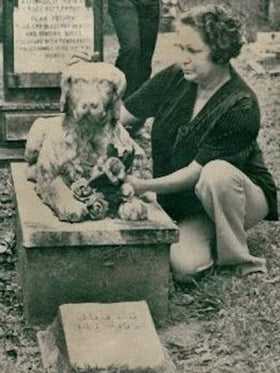
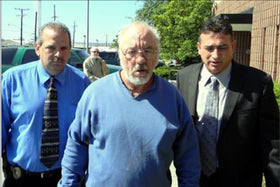
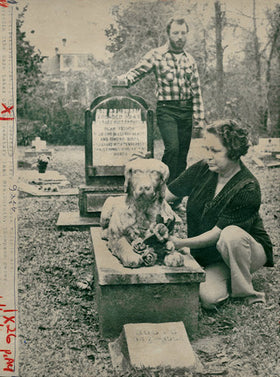
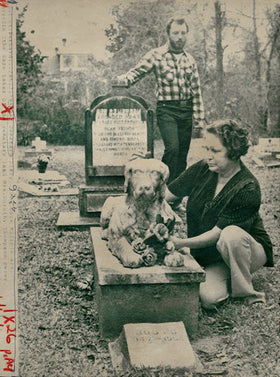
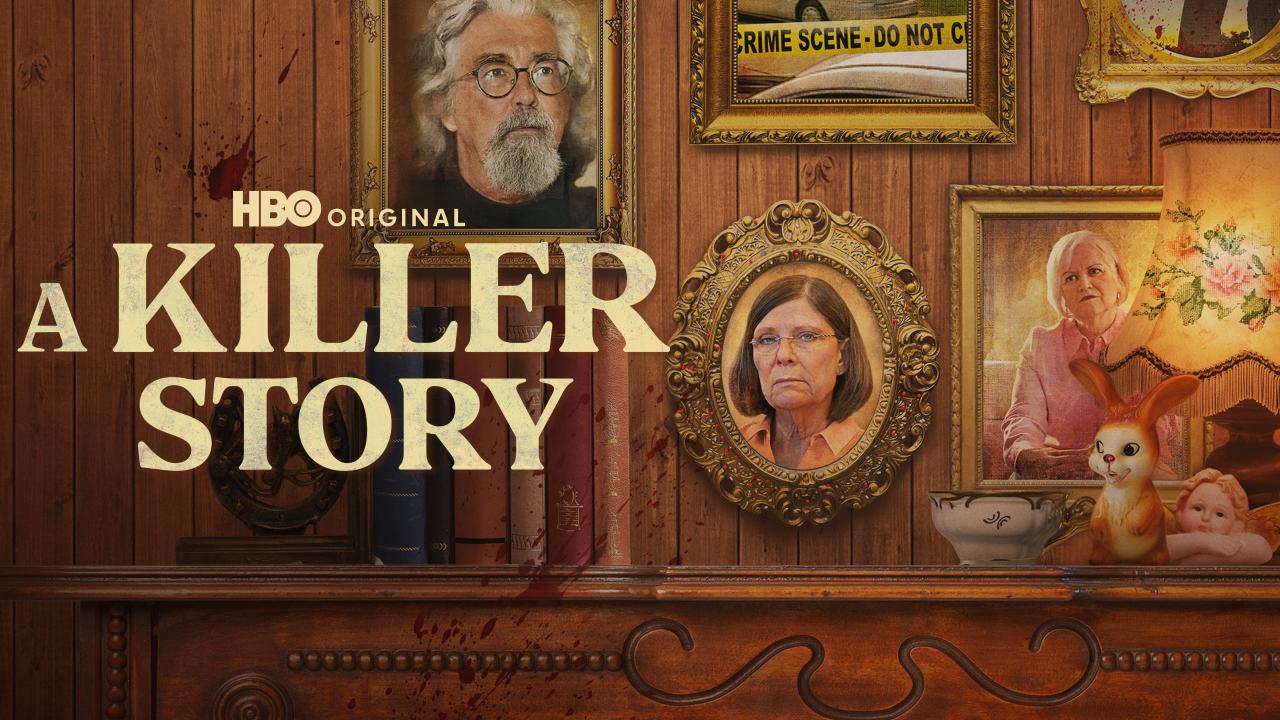
How does The Pet Cemetery Murders: A Ghost Story compare with other HBO true-crime documentaries? Its central hook is unusual: a 1985 Louisiana murder, a long-running cold case, a property dispute, witness accounts and claims that the victim’s ghost helped push people to speak. HBO describes the three-part series as an investigation into Dorothy Lou Thompson’s murder and a community history marked by violence. The series is scheduled to premiere October 11, 2026, so a fair comparison before release must focus on its premise and format—not unverified audience response or a verdict about its quality.
1. The hook: a cold case with a paranormal claim
Many true-crime series are built around conflicting evidence, a suspect, a trial or a later reversal. This series adds an extraordinary element: two people reportedly said they were haunted by Thompson’s ghost, and one witness allegedly told authorities that Brandon Nodier had confessed. Those supernatural claims are part of the story’s reported history, not independently verified proof that a ghost exists or solved a crime.
The grounded investigative thread is more important than the paranormal framing. Thompson disappeared in April 1985; her body was found in the Mississippi River in May. The case remained unresolved for years, and Nodier later pleaded guilty to manslaughter in 2014. Those documented events give the series a conventional cold-case spine beneath its unusual ghost-story framing.
2. Compared with I’ll Be Gone in the Dark: investigation and obsession
I’ll Be Gone in the Dark combines the search for a serial offender with the personal story of writer Michelle McNamara, whose research helped bring public attention to the case. The comparison is useful because both stories show how a crime can stay in the public consciousness long after the initial investigation. The difference is scale and emphasis: McNamara’s series follows a broad search for a serial predator, while the Thompson case centers on one victim, a disputed piece of land and witness information that revived a specific investigation.
3. Compared with The Jinx: evidence, suspects and the power of a record
The Jinx is known for its close attention to interviews, documents and the statements of a central suspect. That makes it a useful benchmark for any cold-case documentary: the strongest moments are those viewers can trace back to a record, a recording or a clearly attributed witness. For the Thompson series, the key test will be whether it separates what investigators documented from what witnesses alleged—and whether it explains the 2014 plea without implying that every disputed detail was tested in a full trial.
4. Compared with I Love You, Now Die: competing narratives and legal context
I Love You, Now Die explores a case through competing interpretations of evidence and legal responsibility. The lesson for this series is to avoid turning a complicated case into a simple supernatural mystery. The audience should be able to tell which facts come from official records, which are witness accounts, and which belong to folklore or personal belief.
5. Compared with McMillion$: how much context makes a story compelling?

McMillion$ uses a complex scheme, multiple participants and a gradual reveal to sustain a multi-part story. The Thompson case also has several threads—land ownership, a decades-old investigation, witnesses and the ghost-story angle—but its emotional center is a real victim and a murder. The documentary will be strongest if the episodes explain how these threads connect instead of treating every unusual detail as equally proven.
6. Compared with Mind Over Murder: uncertainty and the cost of a case
Mind Over Murder illustrates why a documentary should make room for uncertainty and the consequences of investigative decisions. The Thompson case has its own evidentiary limits: reporting describes a witness whose information helped revive the investigation, and Nodier’s case ended in a manslaughter plea rather than a full contested trial. A careful series should explain those limits, not flatten them into certainty for dramatic effect.
What could make the three-part series stand out?
- A clear timeline: showing the 1985 disappearance, the later witness developments, the 2012 indictment and the 2014 plea in order.
- Transparent sourcing: distinguishing sheriff’s-office statements, news reporting, witness allegations and paranormal claims.
- Respect for the victim: keeping Dorothy Thompson’s life and the impact of the crime central rather than using her death only as a horror hook.
- Local context: explaining the cemetery property dispute and why evidence and jurisdiction made the investigation difficult.
- No premature ranking: calling it HBO’s “biggest” or “best” true-crime hit before viewing figures, reviews and audience response are available would be speculation.
Official trailer and viewing information
HBO lists The Pet Cemetery Murders: A Ghost Story as a three-part docuseries premiering October 11, 2026, at 9 p.m. ET. The official series page is the best place to check current availability and episode information. A trailer has also been featured by Biography.com’s coverage of the case.
Check HBO/Max for the series · Read the Biography.com case overview and trailer link
Sources
- HBO — Documentary Series catalog
- HBO — Original Documentaries
- Biography.com — Dorothy Lou Thompson’s Pet Cemetery Murder Went Cold for Decades
- St. Bernard Parish Sheriff’s Office — 2014 plea announcement
Bottom line: The premise gives The Pet Cemetery Murders: A Ghost Story a distinctive angle, but it is too early to rank it against HBO’s established true-crime series. The meaningful comparison will come down to the quality of its reporting, the clarity of its evidence and whether it treats the paranormal claims as claims rather than proof.