

“Why Below feels like Jaws meets climate change horror” is more than a comparison to another sea-monster story. Netflix’s Newfoundland-set thriller uses a terrifying creature to connect family trauma, resource extraction, and warming waters. The result is a creature feature where the scariest force isn’t simply what lives beneath the ocean—it’s what people do to the world above it.
Spoiler warning: This article discusses major plot points from Netflix’s Below, including the ending.
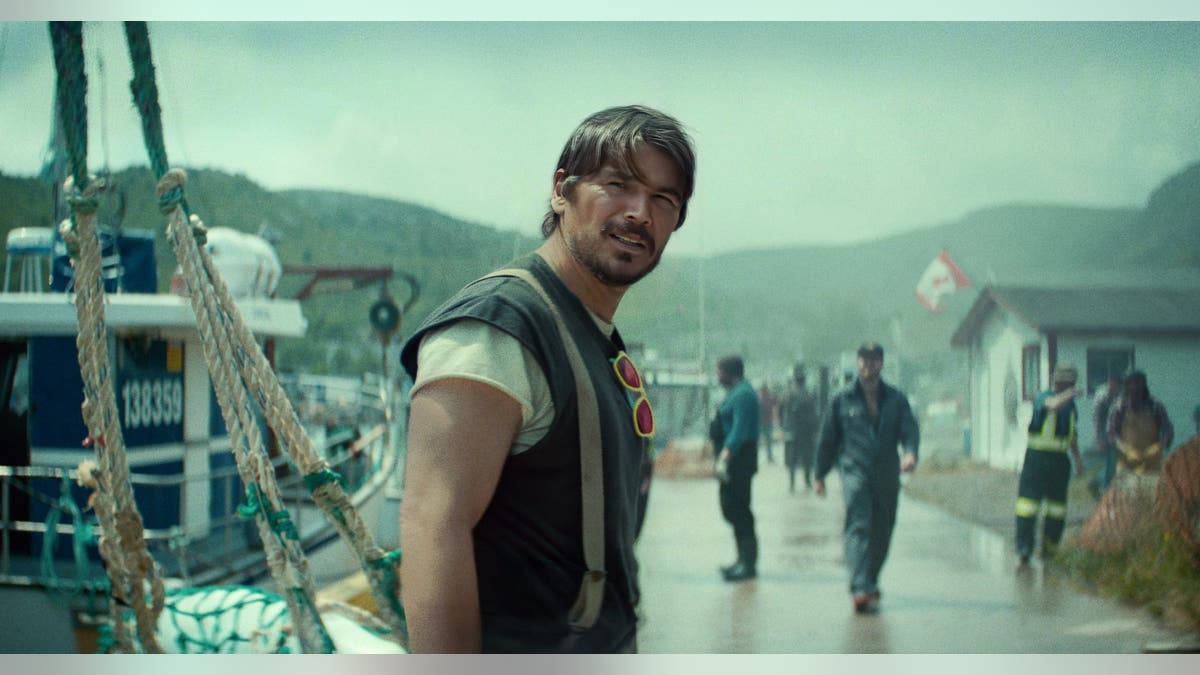
Why Below feels like Jaws—but with a climate warning
Like Jaws, Below builds dread around a threat that people can’t fully see or understand. The water becomes a place of danger, the community’s ordinary routines turn ominous, and every trip near the harbor carries the possibility of disaster. But the series shifts the familiar creature-feature formula: the monster is not the whole story, and defeating it is not a simple matter of destroying a predator.
In the six-episode Netflix limited series, Josh Hartnett plays Calvin Penney, a struggling fisherman in the Newfoundland community of Snook’s Arm. Mackenzie Davis plays marine biologist Fonda Howander, while Charlie Heaton plays Calvin’s son, Wade. The creature known as Mudder appears to threaten the town, but the investigation reveals a more complicated chain of causes: a vulnerable animal, a damaged environment, and powerful people willing to exploit the community.
That’s the key difference from a straightforward shark thriller. In Jaws, fear centers on a predator entering a tourist town’s waters. In Below, fear spreads across the ecosystem and the town’s economy. The danger is both biological and political.
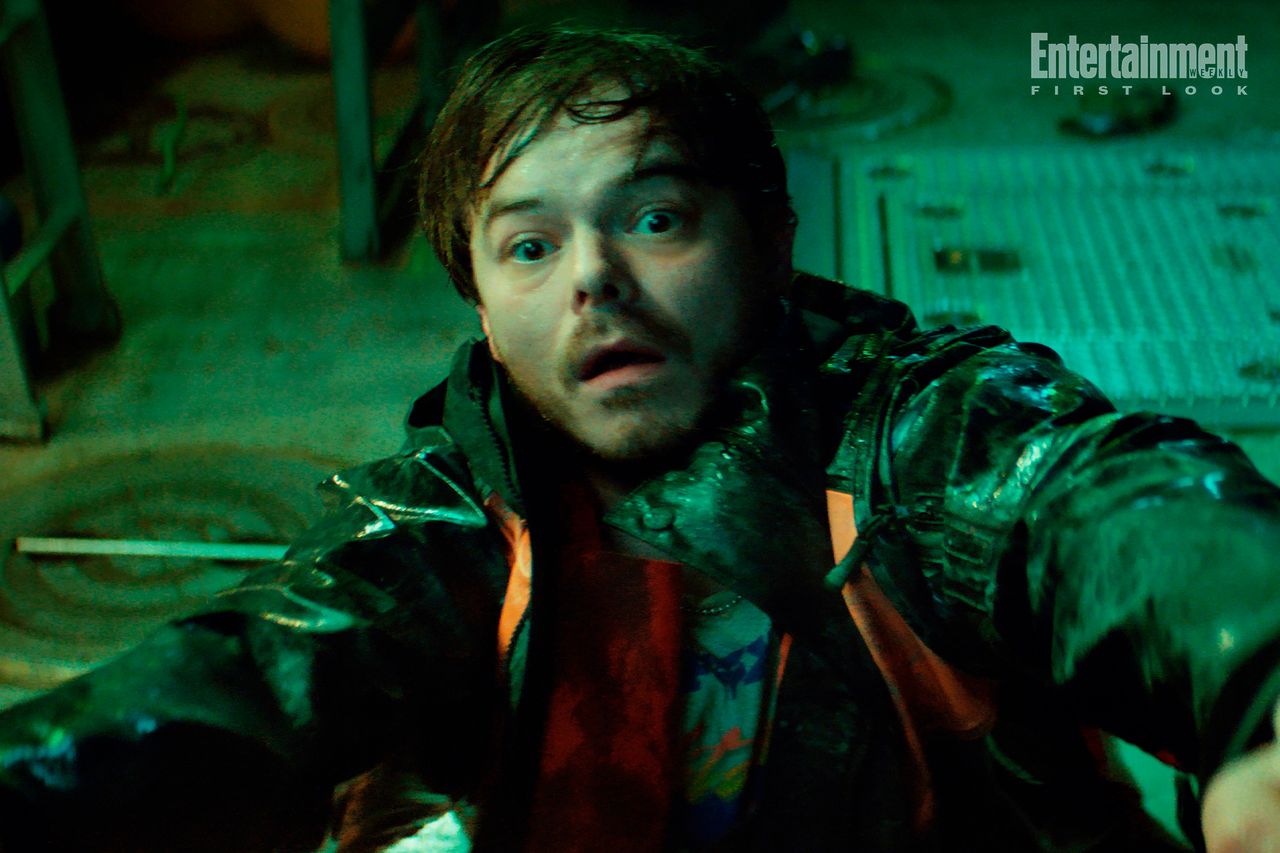
The monster is frightening—but it isn’t the real villain
Mudder is a deep-water cephalopod protecting her offspring. The show initially frames her as a destructive force, yet Fonda’s research changes the meaning of the attacks. The creature’s egg sac is trapped in an iceberg, and the surrounding water is too warm for the young to survive. Her aggression is presented as a desperate response to a failing environment, not as evil for its own sake.
That reveal complicates the audience’s instinct to root for a monster’s destruction. If the creature is acting to protect her young, then a military strike may solve the immediate crisis while causing wider damage. The question becomes whether the town can respond to a threat without repeating the same destructive logic that created the conditions for it.
The show’s science is fictionalized, but the ecological concern is grounded in real questions. Netflix’s interview with marine biologist Dr. Annie Mercier notes that warming water and changing ocean chemistry can affect marine life, including oxygen availability and where species can survive. Real giant squid exist, but the series’ aggressive, town-attacking animal is a dramatic invention—not a realistic prediction of squid behavior.
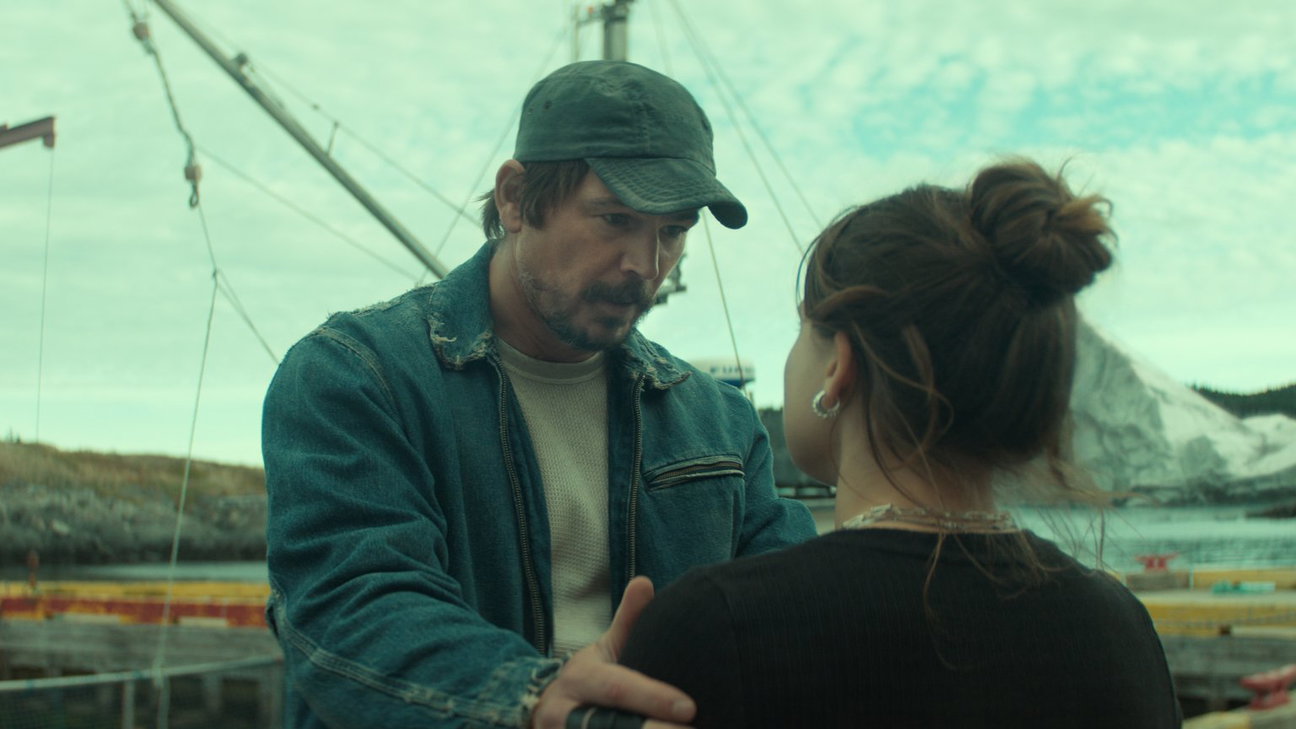
Climate change makes the horror feel uncomfortably plausible
The show’s most unsettling idea is not that a giant squid might attack a coastal town. It’s that a warming ocean can turn a fragile situation into a crisis, while the people most affected have the least power to control it.
In the story, melting ice carries Mudder’s secretions into the local water supply, triggering strange symptoms among residents. That mechanism belongs to the series’ supernatural horror, not established science. The broader environmental point, however, is recognizable: changes in temperature and water chemistry can reshape marine habitats, food webs, and the livelihoods of communities that depend on the sea.
For Calvin, the ocean is not an abstract climate chart. It is his workplace, his family history, and the foundation of the town’s identity. When fish stocks dwindle and the ice becomes a source of income, environmental change arrives as financial pressure long before it becomes a headline. That makes the horror personal: the coastline is both home and a warning sign.
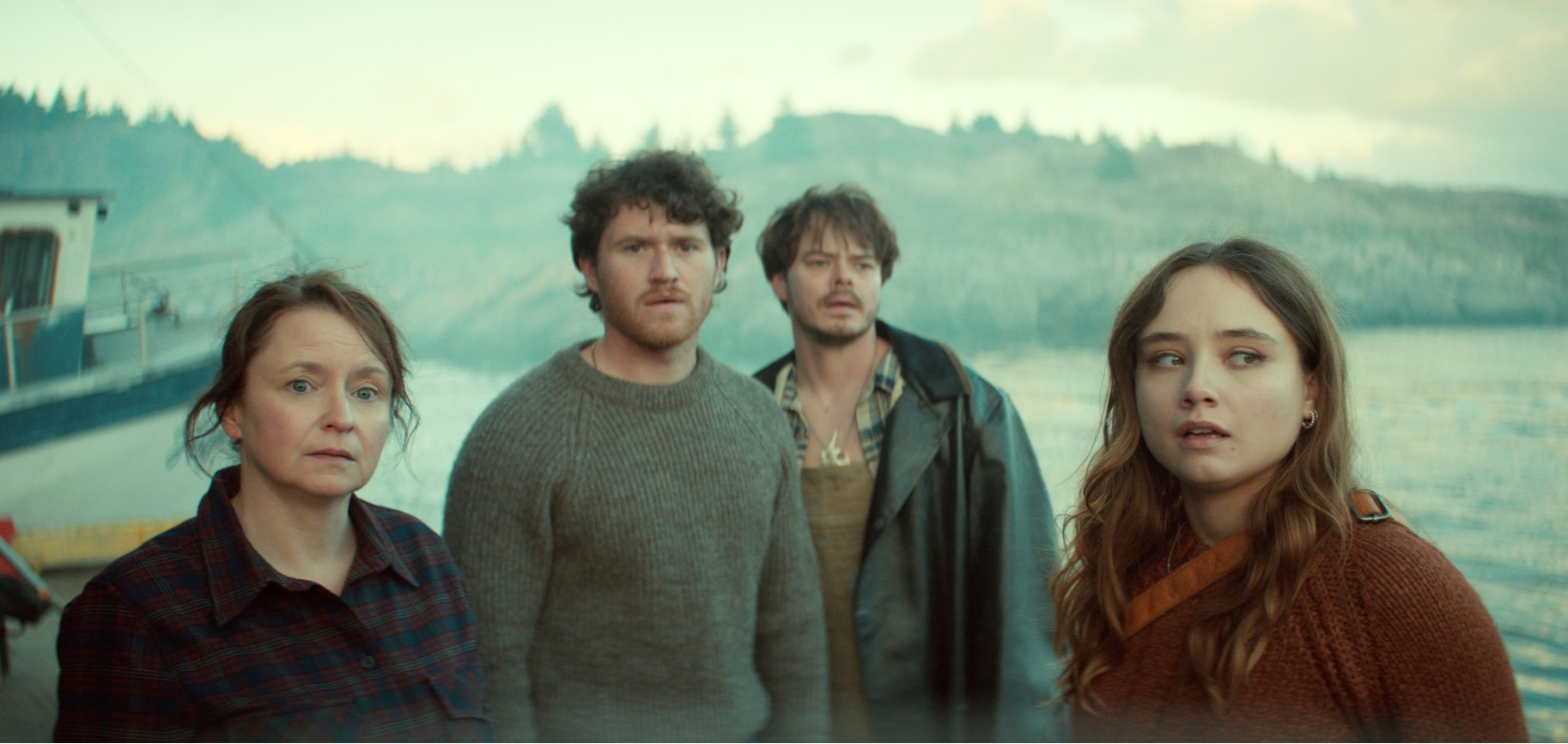
The corporate threat is part of the environmental story
Below also makes clear that environmental disaster can create opportunities for people who already hold power. The Crocker family’s push to relocate Snook’s Arm is tied to valuable mineral resources beneath the area. The community is asked to give up its home without being told the full value of the land.
This makes the human conflict inseparable from the creature plot. If the harbor is destroyed in the name of safety, residents may never be able to return—and the people pushing for evacuation stand to benefit. The series suggests that exploitation often arrives dressed as a practical solution. The language may be about security, jobs, or progress, but the outcome can still be dispossession.
That’s where Below moves beyond a simple Jaws comparison. The monster creates the emergency; greed determines who gets to define the response. The town’s survival depends on understanding both.

Why the ending lands harder than a typical creature-feature finale
Calvin ultimately chooses to move Mudder and the iceberg containing her egg sac toward deeper water rather than let the creature be destroyed in an air strike. The decision echoes his childhood trauma: he has spent years blaming himself for cutting the rope that separated his family’s boat from their sinking house, believing he caused his father’s death. By choosing protection over vengeance, he makes a different decision when faced with another life-or-death crisis.
The resolution is not a neat victory. Mudder’s offspring may not survive because the water is too warm, and the final appearance of more icebergs suggests that the mystery—and the environmental danger—has not ended. The town gets a chance to rebuild, but the conditions that produced the crisis remain.
That uneasy ending is why the climate theme works as horror. A conventional monster can be killed, and the credits can roll. A changing ocean offers no such clean finish. Even when one immediate threat is contained, the next consequence may already be on its way.
Is Below actually a climate-change horror story?
Yes—with an important distinction. Below is first a supernatural creature thriller, but climate change is central to the explanation of why Mudder appears and why her young are in danger. The show does not present every plot device as real science; instead, it uses an impossible creature to dramatize a very real fear: ecosystems can change faster than communities can adapt, and powerful interests may exploit the disruption.
The comparison to Jaws is useful because both stories turn the ocean into a source of suspense. Yet Below asks a different question. It is not only “How do we stop the thing in the water?” It is also “What if the thing in the water is reacting to a world humans have already changed?”
Frequently asked questions
Is Below similar to Jaws?
Yes. Both use an unseen aquatic threat to build suspense around a coastal community. Below adds family trauma, Newfoundland folklore, corporate exploitation, and an explicit environmental theme.
Is the giant squid in Below real?
Giant squid are real deep-sea animals, but Mudder’s behavior and the series’ supernatural effects are fictional. Netflix consulted marine biologist Dr. Annie Mercier for scientific context.
Does climate change cause the events in Below?
Within the show’s story, warming and melting ice help unleash the creature and threaten her offspring. The exact biological mechanism is fictional, while the broader risks of ocean warming and changing chemistry are real.
Who is the real villain in Below?
The creature is a major danger, but the Crocker family’s resource-driven plan is also a central threat. The series contrasts ecological crisis with human greed and the attempted displacement of local residents.
Does Below have a happy ending?
It offers a hopeful moment for Calvin and the town, but not a fully reassuring ending. Mudder’s young may not survive the warm water, and the final icebergs suggest more trouble could be ahead.
Sources and further reading
- Netflix Tudum: Could the Sea Creature in Below Really Exist?
- Netflix Tudum: Below Ending Explained
- Reuters: Below cast discusses Newfoundland and the show’s environmental themes
By Shivam Das


