Updated October 15, 2026. Tesla’s next-generation Roadster took center stage in a dramatic Texas demonstration, combining an electric supercar with a fan-based system and compressed-gas thrusters for upside-down driving, jumps and mid-air rotations. The headline-grabbing acceleration figures are extraordinary, but the key distinction is this: the event showed a controlled demonstration, not proof that a production car can routinely fly or deliver every advertised performance figure on public roads.
Quick answer: Tesla demonstrated a redesigned Roadster performing aerial maneuvers and presented sub-one-second 0–60 mph claims for specialized versions. The system described at the event combines cold-gas thrusters with a suction-based system. Tesla has pointed to 2028 for production, while final retail pricing and independent validation of the most extreme claims remain open questions.
What happened at the Tesla Roadster event?
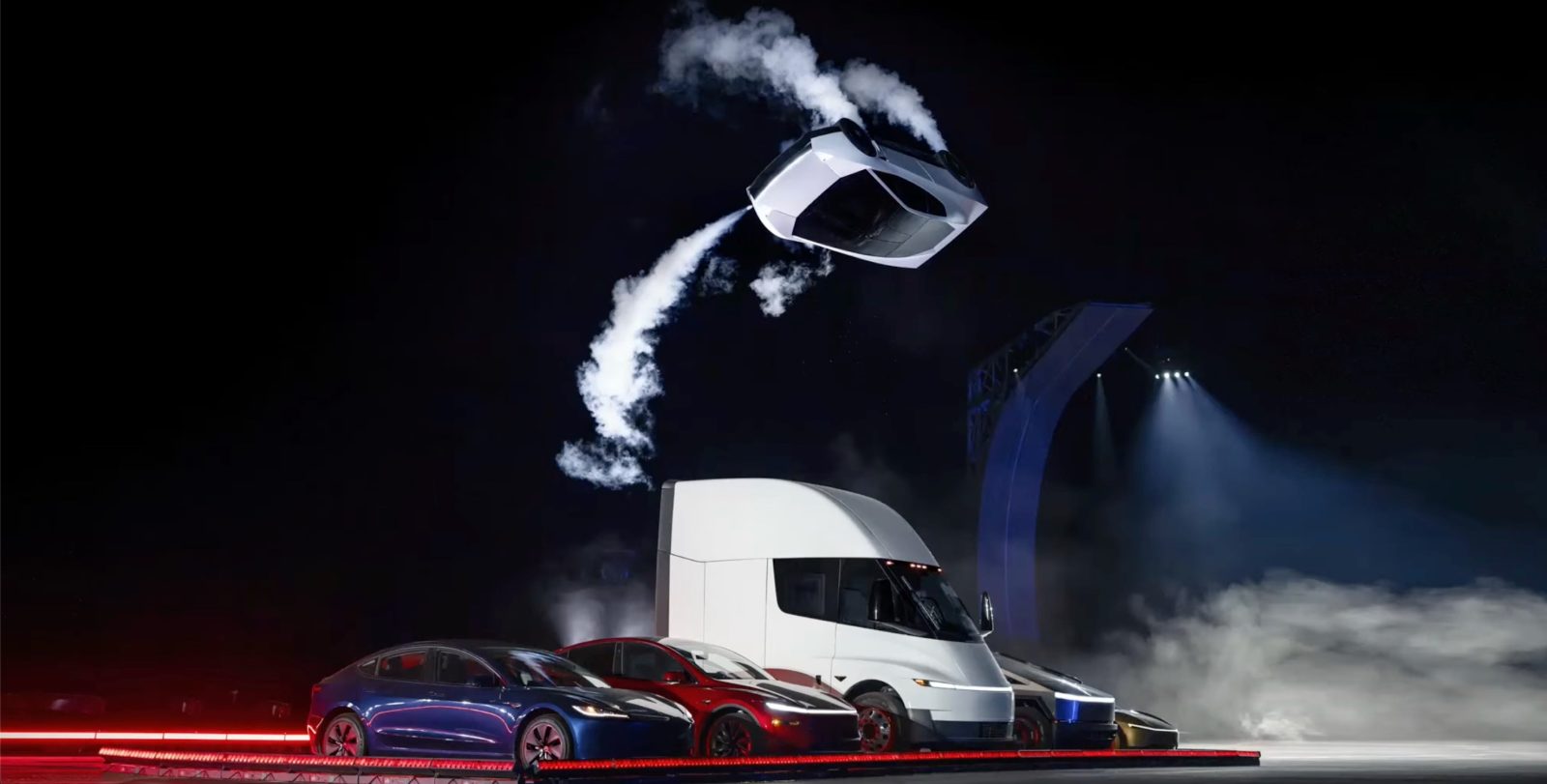
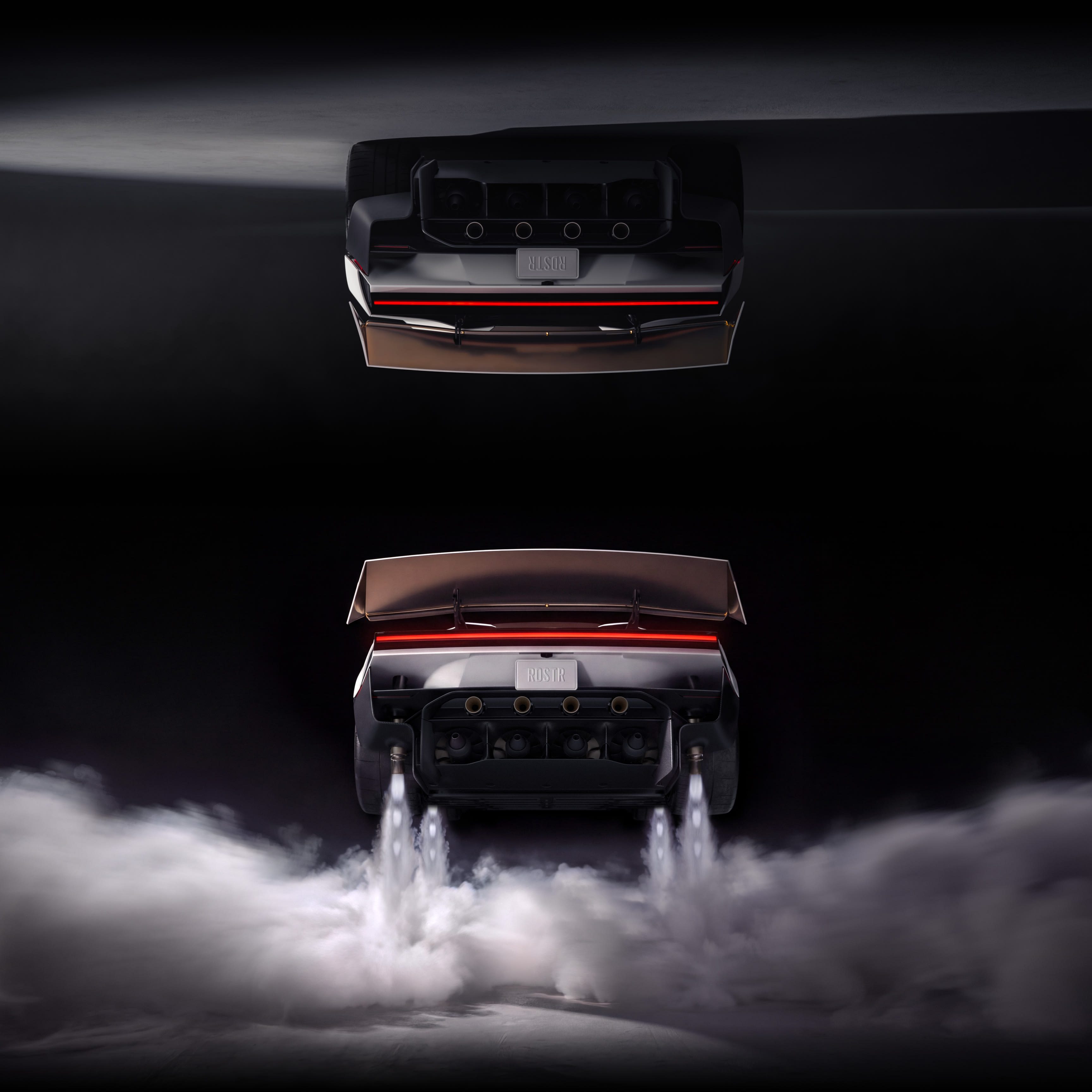
At the October 15 reveal in Texas, Tesla showed a redesigned version of its long-delayed second-generation Roadster. The presentation included a car moving up a steep ramp, remaining inverted with help from a fan-based system, then using bursts of compressed gas to rotate and return to the ground. Another stunt showed the vehicle jumping over a lineup of Tesla models.
The spectacle mixed technologies usually discussed separately: electric motors for road propulsion, fan-based aerodynamic effects, and directional gas jets for brief movement beyond normal tire grip. But a stage demonstration has a narrower meaning than a finished vehicle passing independent tests for durability, repeatability, braking, crash safety and road legality.
Reporting from Electrek’s event breakdown and Reuters’ coverage describes the reveal and the company’s production ambitions. Tesla’s official Roadster page is the primary source for the company’s published product claims.
From 0–60 mph in under a second: what the numbers mean
“Under one second” needs context. Event coverage reported a Performance version with a claimed 0–60 mph time below 1.6 seconds, a Thrust configuration below 0.9 seconds, and an invite-only Rocket configuration with an even more aggressive claim. A timing display during the demonstration was reported at about 0.81 seconds.
These should be treated as manufacturer or event claims until test conditions and results can be independently reproduced. Acceleration depends on configuration, surface, tires, vehicle mass and measurement method. Thrusters change the comparison with conventional cars because they add force beyond what tires alone can transfer to the road.
How cold-gas thrusters can move a car in mid-air
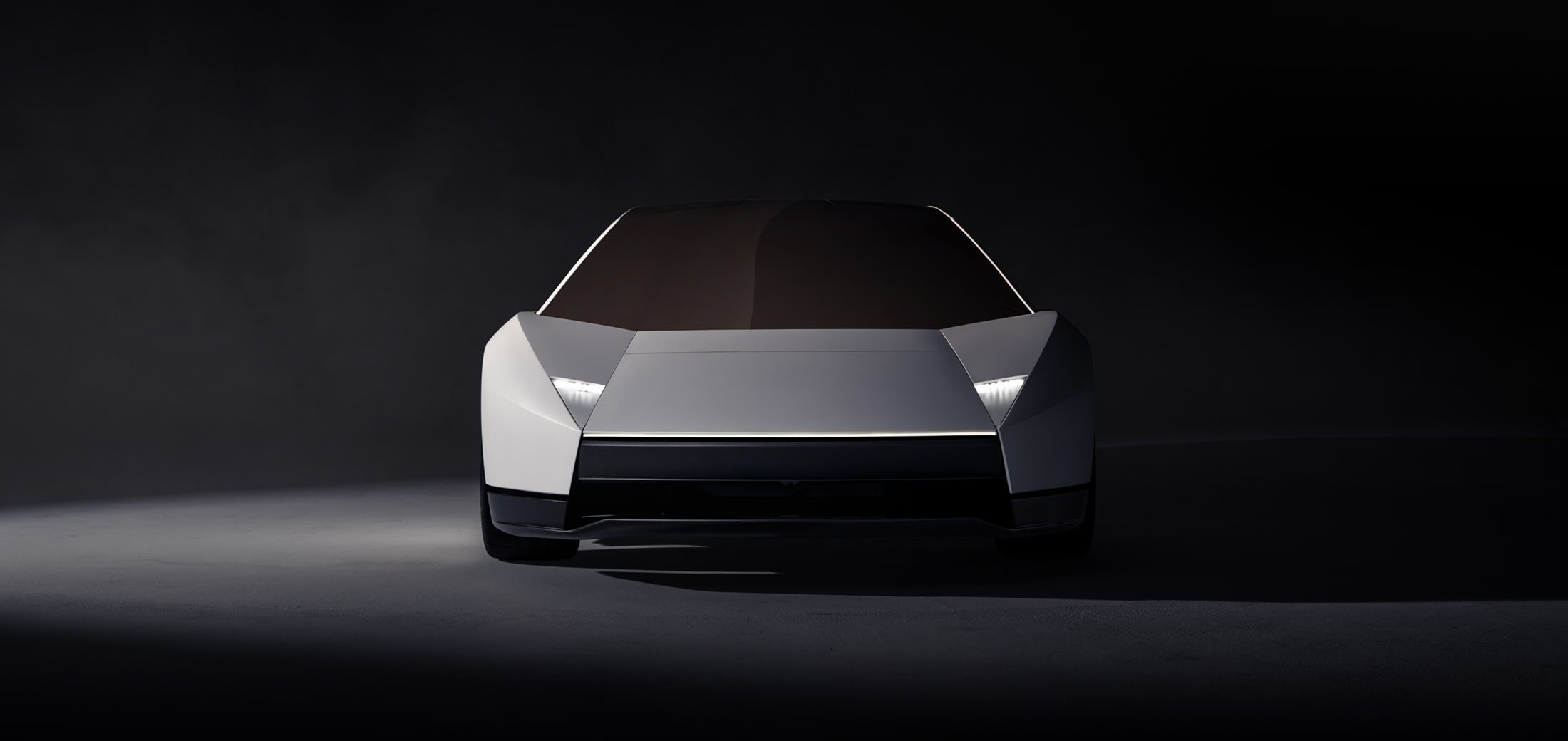
A cold-gas thruster creates force by releasing stored, pressurized gas through a nozzle. The gas pushes one way and the vehicle receives a reaction force in the opposite direction. Directing the nozzles can briefly influence forward movement or rotation. The system does not need combustion in the nozzle, but it still requires pressure vessels, valves and precise controls.
That helps explain the Roadster’s demonstration, but it does not make the car a practical flying vehicle in the everyday sense. A short, controlled jump is different from sustained flight, hovering in changing winds, carrying passengers safely through a flight path or operating around traffic and buildings. Gas supply, stability, landing loads and safety procedures all matter.
The other part of the demonstration was a fan-based system intended to create suction or downforce beneath the car. In principle, that can help press a vehicle against a surface when tires alone cannot provide enough grip. It is separate from the gas jets: one helps hold the car to a surface, while the other provides brief directional force.
What the flips prove — and what they do not
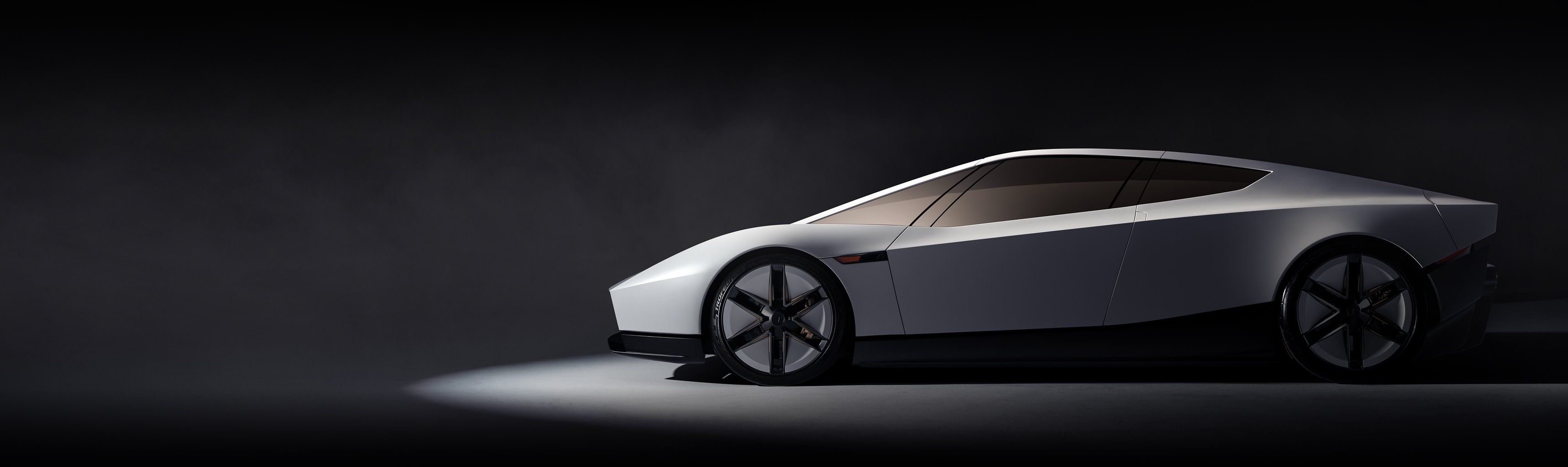
- They demonstrate a controlled stunt: the reveal showed a vehicle completing unusual maneuvers in a prepared setting.
- They do not establish routine road capability: a demonstration does not prove the maneuver is safe, repeatable or legal on public streets.
- They do not replace independent testing: acceleration, stopping distance, range, reliability and crashworthiness need transparent methods and repeatable results.
- They raise practical trade-offs: pressure vessels, fans and actuators add complexity, packaging demands and safety considerations.
For buyers, the most useful question is not whether the car can perform a spectacular flip once. It is what the customer-facing version can do repeatedly, under what conditions, and with what warranty, servicing and regulatory restrictions.
Price, reservations and production timing
As of the October 15 presentation, Tesla had not provided a definitive retail price for every configuration. Event reporting said reservations had reopened with an initial $5,000 payment and a further $45,000 due within 10 days. A reservation payment is not the same as a final vehicle price; prospective buyers should review Tesla’s current terms before sending money.
Elon Musk said production was targeted for 2028, extending a development story that began with the second-generation Roadster’s 2017 unveiling and several missed timelines. That makes the schedule a target, not a guarantee. Buyers should look for a confirmed production plan, finalized specifications, delivery terms and the exact version being offered.
One notable change from earlier promises is the range claim. The original 2017 announcement promoted 620 miles, while coverage of the new reveal reported a current claim of more than 300 miles. The figures may reflect different configurations or testing assumptions, so they should not be compared as if they came from an identical, independently verified test.
Is the flying Tesla Roadster street legal?
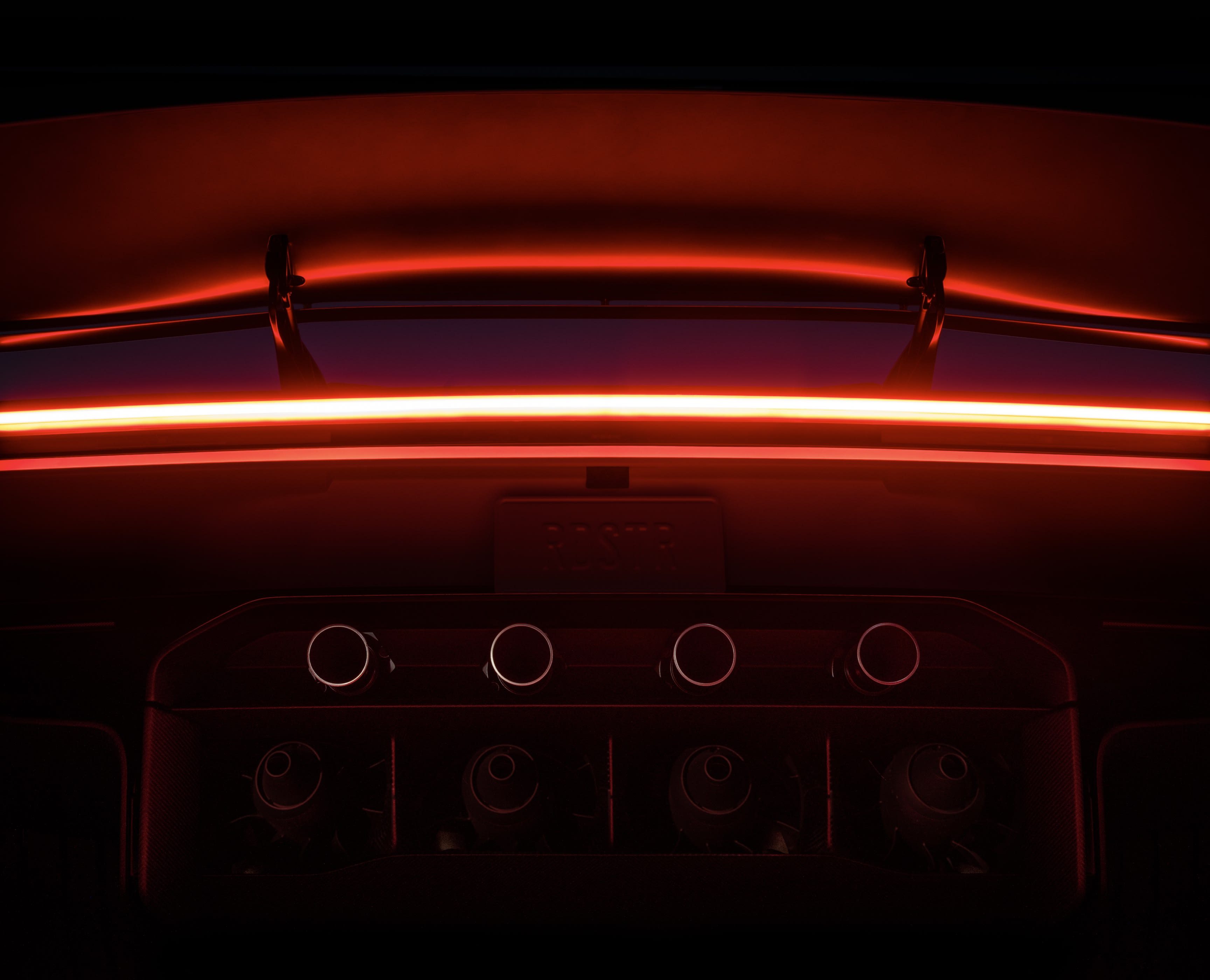
Do not assume every stunt-capable configuration is approved for public roads. Coverage of Tesla’s product information distinguishes the standard Performance model from specialized Thrust and Rocket configurations; the Rocket version has been described as not approved for public-road use. Regulations vary by jurisdiction, and a vehicle’s advertised capability does not itself establish legal approval.
Before making a reservation, buyers should verify the precise configuration, local road approval, insurance availability, warranty terms, safety requirements and whether the features shown in the demonstration will be included in the delivered vehicle.
Official Tesla event post
Tesla’s original reveal post is available on X. The embedded post may require the platform’s script and can display differently depending on browser settings.
View Tesla’s Roadster reveal post on X
Open the original Tesla post on X.
The bigger takeaway: spectacle versus a production car
The Roadster reveal gives Tesla a memorable engineering showcase and ties its automotive ambitions to SpaceX-style propulsion ideas. Yet the most dramatic clips are only one part of the story. The real test will be whether Tesla can deliver the promised performance in a production vehicle, publish clear specifications, meet relevant safety and regulatory standards, and do so on a credible timeline.
The fair conclusion is both impressed and cautious: Tesla has demonstrated an extraordinary controlled stunt and announced ambitious performance claims. The demonstration does not, by itself, prove that a road-going Tesla can fly freely or that the headline acceleration will be available to every buyer.
Frequently asked questions
Did the Tesla Roadster really flip in mid-air?
Tesla’s October 15, 2026 demonstration showed the Roadster performing a mid-air maneuver using a thruster-equipped configuration. Independent, repeatable testing is still important for validating its broader capabilities.
Can the Tesla Roadster accelerate from 0 to 60 mph in less than one second?
Tesla presented sub-one-second claims for specialized configurations, and event coverage reported a demonstration timing of about 0.81 seconds. Treat these as claims tied to specific test conditions until independently reproduced.
How does the Roadster’s thruster system work?
Cold-gas thrusters release pressurized gas through directional nozzles to generate brief forces. A separate fan-based system is described as helping create suction or downforce for the inverted demonstration.
When will the new Tesla Roadster go into production?
Elon Musk pointed to 2028 during the reveal. That is a target, not a guaranteed delivery date.
How much will the new Tesla Roadster cost?
Tesla had not announced a definitive retail price for all versions at the time of the reveal. Reported reservation payments should not be mistaken for the final purchase price.
Can owners use the flying features on public roads?
Do not assume so. The Rocket configuration has been described as not approved for public-road use. Buyers should check Tesla’s latest terms and local regulations for the exact version.
Sources and further reading
- Tesla — official Roadster page
- Electrek — event breakdown, configurations and reservation details
- Reuters — Roadster reveal and production target
- MotorTrend — cold-gas thruster explanation
By Shivam Das