Quick answer: In Steal An Egg, the smartest speed-training order is not “buy every treadmill upgrade immediately.” First protect your income loop, train toward the next meaningful progression gate, compare the treadmill’s cost with the speed gain shown in your current game, and then invest in a trail or base upgrade when it gives better practical value. Exact costs and multipliers can change with updates, so use the live in-game shop as the final authority.
Speed matters because the game’s official description explicitly connects treadmill training with gaining Speed, while the core loop revolves around stealing eggs, hatching pets, earning money, and upgrading your treadmill and base. The trap is treating Speed as the only stat that matters. Speed helps you reach targets and escape, but it does not replace a reliable income source or a repeatable route.
Why the usual upgrade advice can waste your cash
Many quick guides reduce progression to a simple rule: treadmill first, everything else later. That can be useful for a new account, but it is not a universal rule for every stage. An upgrade is only valuable if it helps solve the problem holding you back.
- If you cannot reach the next area: prioritize enough Speed to test that area safely.
- If you reach the area but keep getting caught: train further, learn the route, and test with a lower-risk egg before carrying something valuable.
- If you can escape easily but earn too slowly: strengthen the pets and income loop that funds future upgrades instead of buying an expensive treadmill tier just because it is available.
- If training is already efficient: compare a trail or other available multiplier with the next treadmill price before spending.
This is the key difference between “highest Speed possible” and efficient progression. You want the next useful milestone, not an empty wallet and a treadmill tier that takes too long to pay back.
The practical upgrade order
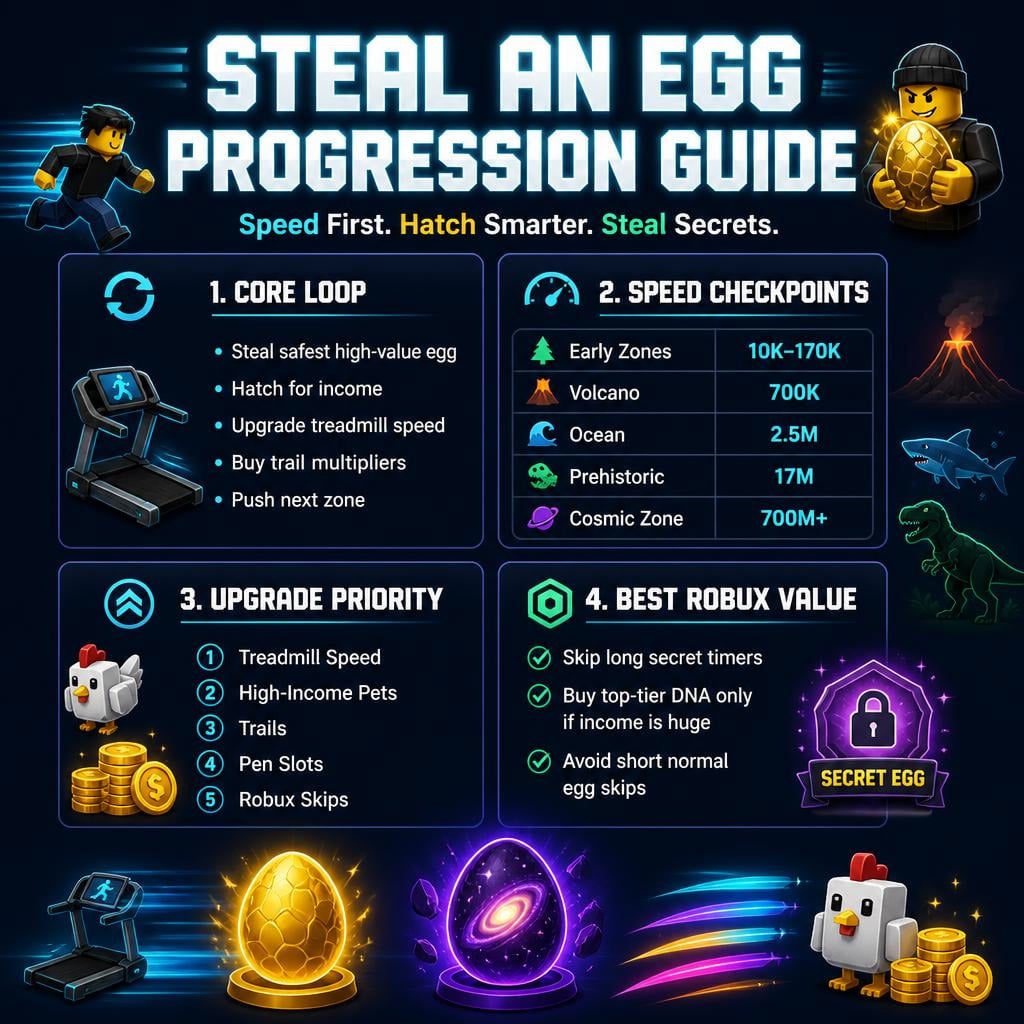
1. Secure your starter income before chasing a huge Speed number
Steal manageable eggs, hatch them, and keep enough productive pets active to generate cash. Avoid risking your best egg or leaving valuable progress exposed while testing a route you cannot reliably finish. Your early income is the engine that pays for every later training improvement.
Do not assume every pet with a rare label is automatically the best income choice. Check the actual earnings shown in your game and compare the pet’s contribution with the cost of the upgrade you want next.
2. Upgrade the treadmill when the next tier changes your progress
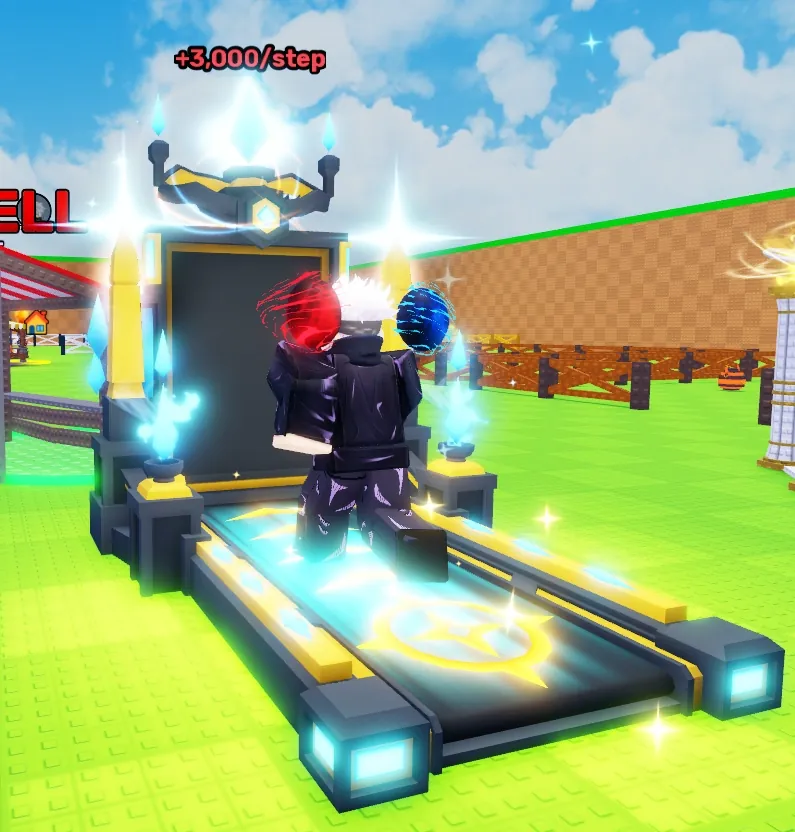
The treadmill is the core repeatable way to train Speed. Before buying, write down three things: the current upgrade cost, the Speed gain or training factor shown by the game, and the next target you are trying to reach. Buy when the gain meaningfully shortens that path without starving your income setup.
Community guides publish treadmill prices and factors, but those tables are snapshots, not permanent guarantees. For example, a community guide lists several later tiers with dramatically rising costs. Treat those figures as a comparison point, then confirm the current price in your own server before you spend.
3. Check the trail shop before you commit to a long grind
Some community guides describe trails as multipliers that work alongside treadmill training. That makes them worth comparing—but do not assume a trail’s displayed multiplier is the same as your character’s final movement speed. Training gain, movement, temporary boosts, and any carrying penalty may be separate parts of the system.
Use a simple test: note your Speed, keep your other boosts unchanged, train for a short fixed interval, and record the increase. If you buy a trail, repeat the same test. Comparing like with like is more reliable than copying a screenshot from a different update or account.

4. Use biome requirements as checkpoints, not as a promise of a safe run
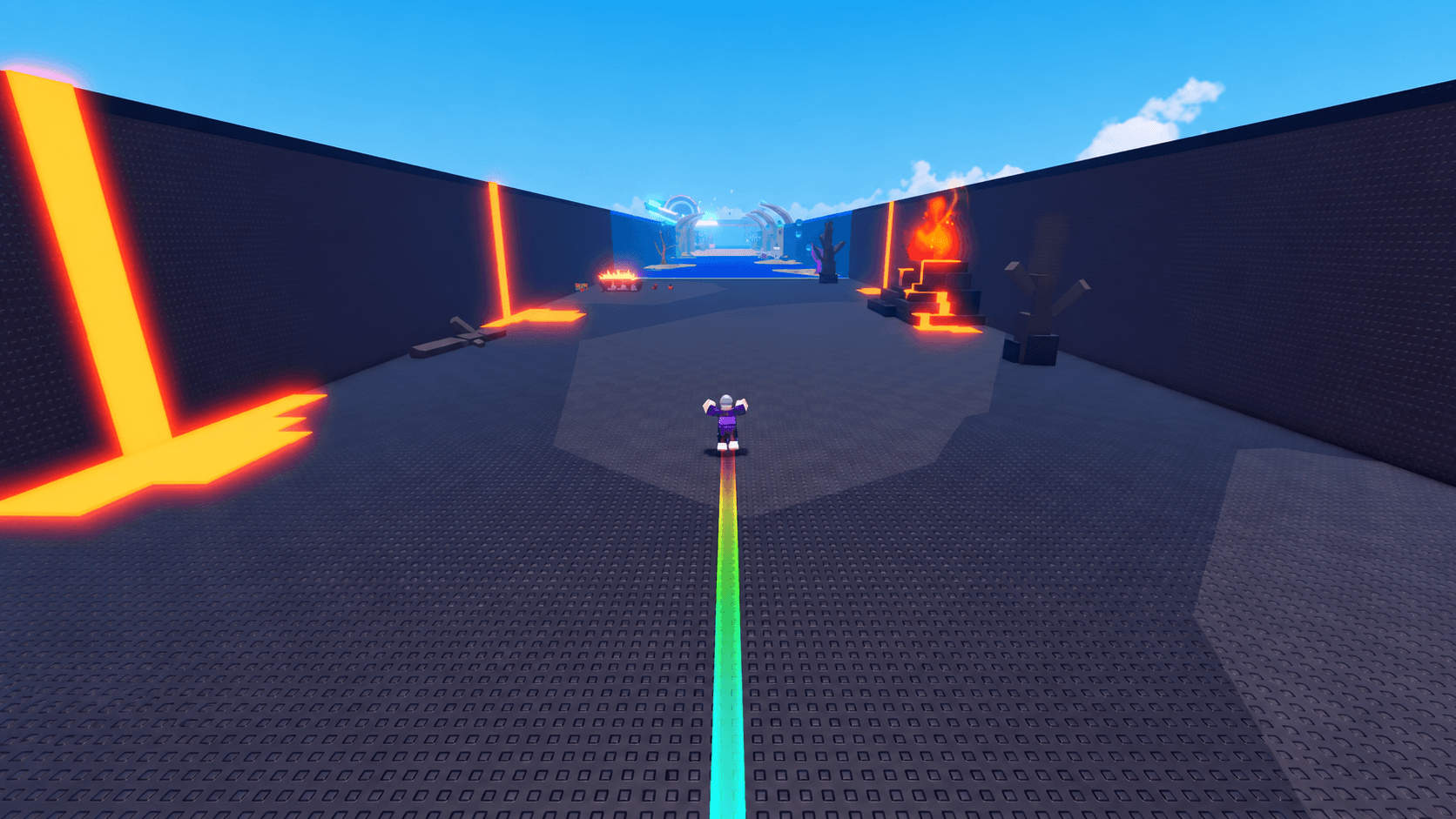
Published community references have listed example Speed gates such as Lake around 900, Desert around 10,000, Jungle around 40,000, Snow around 170,000, Volcano around 700,000, Abyss Ocean around 2.5 million, Prehistoric around 17 million, and Cosmic around 700 million. These are community-reported figures and may change; confirm the requirement shown in the live game before spending toward a specific number.
Even if you meet a displayed gate, that does not guarantee every egg run will be safe. A route can still fail because you take a longer path, carry a difficult target, encounter another player, or misjudge the return. Aim for a repeatable escape, not just the minimum number.
5. Upgrade your base or pet capacity when it fixes a real bottleneck
The official game listing mentions both treadmill and base upgrades. Base improvements can matter when they support the income or collection loop you actually use. But buying every base upgrade by habit can delay the Speed milestone you need, just as ignoring your base can leave you short of cash.
Ask one question before spending: “Will this purchase help me earn more, train more efficiently, or complete the next run more safely?” If the answer is no, save the cash for a clearer upgrade.
A simple decision table
| Your situation | Best next move | What to avoid |
|---|---|---|
| You are new and cannot reach the next zone | Train and buy an affordable treadmill upgrade, keeping some income active | Spending all cash on cosmetic or low-impact options |
| You reach a zone but fail to escape | Train toward a safer margin and practice the shortest reliable route | Carrying your rarest egg as a test |
| Your Speed is growing, but cash is slow | Improve the pet-income loop and compare the next treadmill cost with its gain | Blindly buying the most expensive available tier |
| You already have a strong treadmill | Compare the trail shop and any relevant base upgrade under the current rules | Assuming every guide’s multiplier or price is still current |
| You are near a major progression gate | Check the live requirement, then do a controlled test run | Treating the minimum gate as a guarantee of safe returns |
The 10-minute speed-training routine
- Minute 0–1: Check your current Speed, cash, active pets, and the next goal shown in the game.
- Minute 1–3: Train on the treadmill and record the gain over a short, consistent interval.
- Minute 3–5: Check the next treadmill tier and compare its price with the improvement it offers.
- Minute 5–7: Compare available trails or base upgrades only if they address your current bottleneck.
- Minute 7–10: Test one low-risk egg route, then decide whether you need more training or a better income loop.
This routine is deliberately short. It prevents you from spending an entire session grinding without knowing whether your last purchase actually improved your results.
Common mistakes to stop making
- Copying old prices: update guides can become stale after a balance change.
- Confusing training gain with movement speed: a bigger training number does not automatically mean the same percentage increase in every movement situation.
- Ignoring income: a powerful treadmill is not sustainable if you have no cash flow to fund the next step.
- Testing with your best loot: use a cheap, repeatable run first.
- Buying a trail without measuring it: compare results under the same conditions.
- Assuming AFK time is risk-free: check your surroundings and protect valuable progress before leaving your character unattended.
For related progression advice, see our guide to hidden Speed gates in Steal An Egg. For the current game description and supported platforms, visit the official Roblox Steal An Egg experience page.
Frequently asked questions
What should I upgrade first in Steal An Egg?
For most early accounts, protect a working pet-income loop and upgrade the treadmill when the next tier meaningfully helps you reach a progression target. Do not spend every coin automatically; compare the live cost and gain first.
Are treadmill costs and Speed gates fixed?
Not guaranteed. Community guides report prices and zone thresholds, but updates can change them. Check the current in-game shop and the requirement displayed for your next area.
Should I buy a trail before upgrading my treadmill?
Compare both options at your current stage. A trail may improve the training result, but its effect depends on the game’s current system and your other bonuses. Test one change at a time instead of assuming a universal order.
Does meeting a biome’s Speed requirement mean I can always escape?
No. The minimum requirement is a checkpoint, not a guarantee. Practice the route with a lower-risk egg and build enough margin to complete a repeatable return.
Do I need Robux to train Speed efficiently?
The official game description includes treadmill training and upgrades as core mechanics. Optional paid shortcuts may exist, but this guide’s method focuses on measuring in-game upgrades and managing earned cash rather than assuming a Robux purchase is necessary.
Bottom line
The upgrade order most guides get wrong is the idea that every player should maximize the treadmill before thinking about anything else. Build income, train toward a real checkpoint, compare the treadmill and trail options with current values, and test your escape before risking valuable eggs. That approach is more adaptable than a static price list—and it stays useful even when the game changes.
By Shivam Das. Gameplay figures and upgrade costs in community guides can change; verify them in the live Roblox experience before spending.