By Shivam Das | Updated October 21, 2026 | For U.S. Roblox players
Quick answer: If your goal is to complete The Hollow efficiently, story-led horror experiences such as The Mimic may offer less repeat value after you finish a chapter, while round-based or survival games such as DOORS, Dandy’s World, and 99 Nights in the Forest generally have more reasons to return. This is an editorial ranking of the games’ underlying gameplay loops—not a claim that Roblox has announced how many repeat runs an event quest will require.
Replay value is personal. Some players love learning a story once; others want randomized runs, new builds, tougher difficulty, or a reason to team up again. For this list, “least replay value” means the core loop is more likely to feel familiar after you have seen its main content. It does not mean a game is bad, and it does not predict the length or difficulty of its The Hollow quest.
First, what is known about The Hollow’s lineup?
Recent event coverage reports nine experiences for Roblox’s 2026 Halloween event: DOORS, Warden, Animal Hospital, The Mimic, Scary Shawarma Kiosk, Piggy, Dandy’s World, 99 Nights in the Forest, and Demonology. Check Roblox’s own event listing and each developer’s announcements for the live roster, quest rules, and rewards; a reported lineup does not tell us whether a quest is repeatable or whether progress carries between sessions.
For the wider launch picture, see our The Hollow launch server guide and guide to prioritizing The Hollow quests.
Ranked: from least to most replayable
1. The Mimic — lowest replay value for players who only want the story
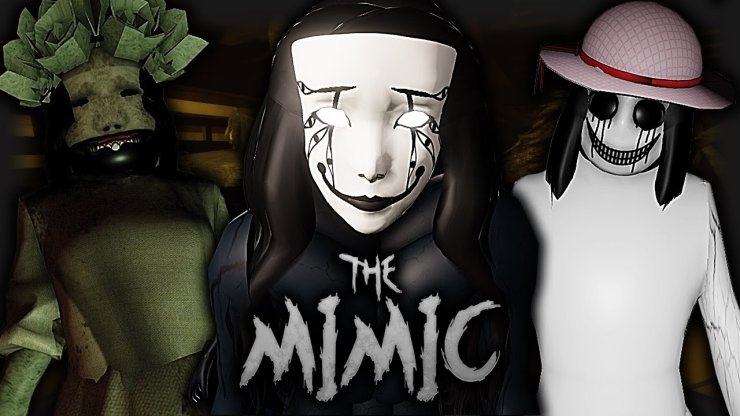
The Mimic is built around atmospheric horror, exploration, and story chapters. That is a strength on a first run: the unknown, the setting, and the reveals do much of the work. But players who mainly want new objectives every time may find less variety after they have learned the route and seen the story beats. Returning with friends, trying a harder challenge, or revisiting missed details can still be worthwhile.
Best for: players who value narrative horror and atmosphere. Replay tip: go in blind on your first run; save a second run for friends or a challenge rather than immediately repeating the same route.
2. Warden — replay value depends on its live mode and objective variety
Warden is difficult to rank with the same confidence as more established, widely documented loops because players should verify the current experience description and active mode before committing to a long session. If the available activity is primarily one linear objective, it may feel more finite than a procedural run-based game. If the live mode offers changing encounters, roles, or progression, that could move it higher. Treat this placement as a cautious estimate, not a definitive verdict on the developers’ design.
Best for: players curious about a newer or less familiar horror experience. Replay tip: check the current game page and in-game objective before spending a limited event window on repeated attempts.
3. Scary Shawarma Kiosk — strong first-session tension, familiar shift routine
A kiosk horror game can create tension through routine work interrupted by suspicious customers, strange orders, or escalating events. The first shift is often the most surprising because players are still learning what to inspect. After the rules become familiar, replay value depends on how much the experience changes its encounters, endings, and difficulty—not simply on how scary the first playthrough felt.
Best for: players who like short, tense task-based horror. Replay tip: look for alternate outcomes or new shift conditions rather than replaying only to repeat a solved routine.
4. Animal Hospital — a repeatable shift loop, but tasks can become routine

Animal Hospital mixes patient checks, treatments, anomaly detection, and survival pressure. The shift structure makes it easy to return for another attempt, and teamwork can change how a session feels. The risk is repetition: once you know the check-in process and common warning signs, the same sequence can feel like work unless later shifts, random events, class choices, or team coordination keep raising the stakes.
Best for: groups who enjoy observation, communication, and managing several tasks under pressure. Replay tip: switch roles with friends or set a clean-shift goal to give a familiar run a new purpose.
5. Piggy — story progress gives direction; maps and modes add variety

Piggy sits in the middle because its story progression gives players a reason to keep moving, while map knowledge, puzzles, opposing roles, and different modes can create new challenges. A player who only wants to finish each chapter may stop after the story; someone who likes mastering maps or playing with friends has more reasons to return.
Best for: puzzle-solving horror fans and players who enjoy learning maps. Replay tip: try a different mode or team role instead of replaying a chapter in exactly the same way.
6. DOORS — familiar structure, but randomized runs support repeat attempts

DOORS uses a recognizable room-to-room survival structure, so the basic objective stays familiar. Its encounters, resource decisions, and pressure can make a new run feel different, especially when players are learning entity behavior or attempting personal milestones. It may not feel endlessly new to everyone, but it offers more repeat-run potential than a strictly linear story.
Best for: players who like improving through repeated attempts. Replay tip: set one goal per run—survive longer, use fewer resources, or learn one encounter—instead of treating every attempt as a full completion race.
7. Demonology — cooperative investigation gives groups reasons to return
Co-op investigation horror can gain replay value from communication, uncertain evidence, and the different decisions a group makes under pressure. The same location may feel different when players divide tasks differently or when someone is learning the rules for the first time. Its replay value is naturally lower for someone who prefers solo play or dislikes repeating investigation steps, but stronger for a regular squad.
Best for: friends who enjoy talking through clues and coordinating. Replay tip: rotate responsibilities and avoid letting one experienced player make every decision.
8. Dandy’s World — run-based progression favors repeat play
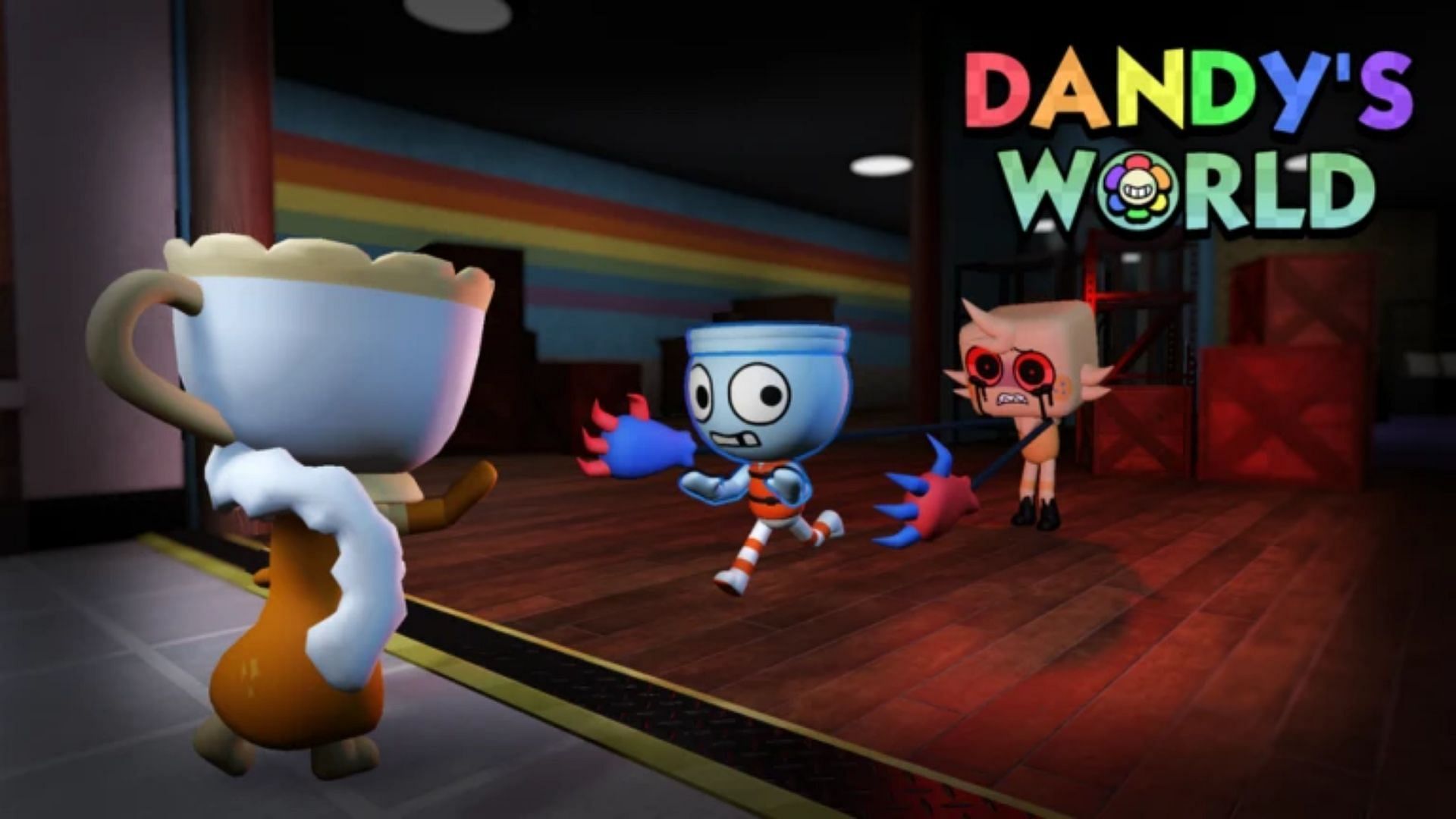
Dandy’s World is built around repeated runs, team choices, resource management, and survival pressure. That structure gives players more ways to improve than a one-and-done story chapter: you can refine decisions, coordinate with a different group, or aim for a better run. Repetition can still become grindy if you are chasing the same unlock without enjoying the moment-to-moment play.
Best for: players who like progression and team-based survival. Replay tip: choose a specific run goal before starting so each attempt feels purposeful.
9. 99 Nights in the Forest — highest replay potential for players who enjoy survival systems
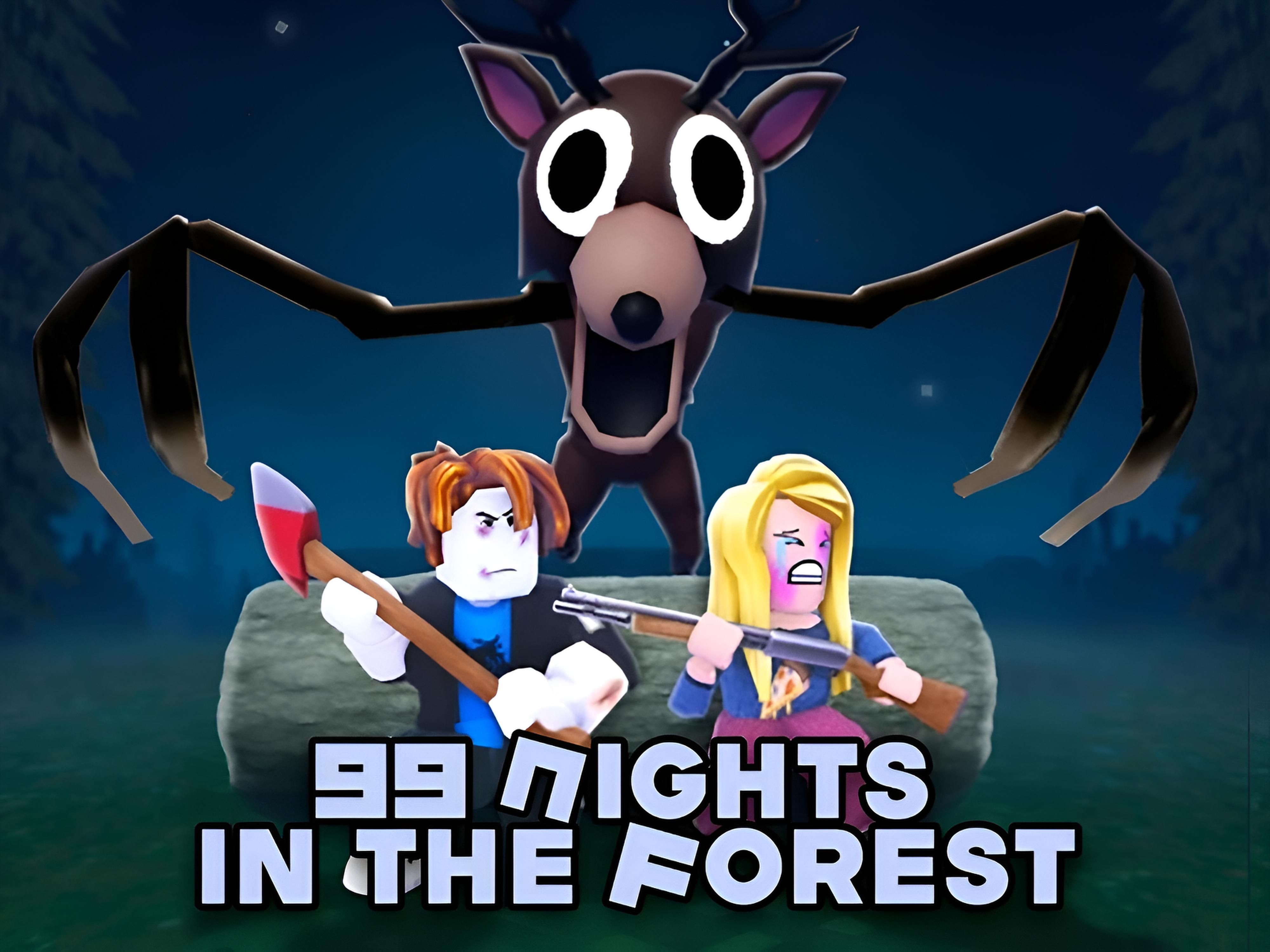
99 Nights in the Forest earns the top spot in this ranking because survival games generally give players several overlapping reasons to return: resource gathering, exploration, base decisions, teamwork, and adapting when a run goes wrong. The exact experience depends on the current update and how your group plays, but the broader survival loop offers more room for self-directed goals than a single linear story.
Best for: players who enjoy long-term survival planning and co-op decisions. Replay tip: if time is limited, set a short goal—collect a resource, scout an area, or help the team prepare—rather than beginning a run you cannot finish.
Quick comparison
| Game | Replay-value outlook | Why it may feel repetitive | Who may enjoy returning |
|---|---|---|---|
| The Mimic | Lower for story-only players | Story routes and reveals become familiar | Story fans, challenge seekers, groups revisiting chapters |
| Warden | Uncertain; verify current mode | Depends on objective and mode variety | Players willing to explore the live experience |
| Scary Shawarma Kiosk | Low to moderate | Shift tasks can become predictable | Fans of short task-based horror and alternate outcomes |
| Animal Hospital | Moderate | Patient checks and treatment routines repeat | Teams who enjoy coordination and escalating shifts |
| Piggy | Moderate to high | Known maps can lose surprise | Puzzle fans and players exploring different modes |
| DOORS | High for mastery-focused players | The room-to-room goal remains familiar | Players improving across repeated runs |
| Demonology | High for co-op groups | Investigation steps can feel similar | Squads that rotate roles and communicate |
| Dandy’s World | High | Progression can become grindy | Players who enjoy run-based progression |
| 99 Nights in the Forest | High | Resource loops can become routine | Survival fans and groups with self-set goals |
How to use this ranking during The Hollow
- Do the required event objective first. Do not assume that you need to replay a game after earning its event progress. Check the live task text and confirm the reward before leaving.
- Choose repeat sessions based on your own fun. If you enjoy story horror, a lower-ranked game can still be your favorite. Replay value is not a quality score.
- Use short sessions strategically. Start with the games whose controls and objectives you understand, then budget extra time for unfamiliar mechanics.
- Do not chase rumors. Ignore claims about hidden extra rewards unless the live event page or developer confirms them.
- Check your progress before switching games. If the event uses badges or a hub tracker, verify the task registered rather than assuming it did.
For launch preparation, also read whether solo play may suit you better on Day 1 and our short-session Roblox game guide.
Frequently asked questions
Which Hollow game has the least replay value?
For players focused mainly on seeing a story once, The Mimic may have the least repeat value after they finish its available story content. Players who enjoy challenge runs or replaying with friends may disagree.
Which of the nine games is best for repeat runs?
Based on their broad gameplay loops, 99 Nights in the Forest, Dandy’s World, and DOORS offer strong reasons to return through survival decisions, run-based progression, or repeated attempts. Your preference matters more than a universal ranking.
Does low replay value mean a game is bad?
No. A focused story can be excellent even if most players only complete it once. Replay value measures how much a game invites another session, not its atmosphere, story, or overall quality.
Will The Hollow require replaying each game?
Do not assume that. The event’s live task text and progress tracker should determine whether a quest needs one completion or multiple attempts. Check the official hub when the event opens.
Is this an official Roblox ranking?
No. This is an independent editorial comparison based on the broad gameplay loops of the reported lineup. It is not a Roblox announcement, developer statement, or measurement of player retention.
Sources and editorial note
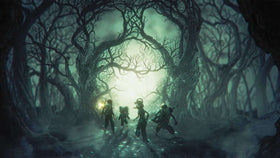
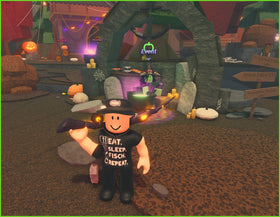
Image note: Images are credited to their linked publishers and show the named games as illustrative context; they do not depict confirmed The Hollow event gameplay. Reuse rights remain with the respective image owners.
- ObbyDesk’s The Hollow event overview — reported lineup and status notes.
- ClaimCodes’ The Hollow guide — reported nine-game list.
- Destructoid’s Animal Hospital walkthrough — shift structure, treatment, and anomaly mechanics.
- Roblox — check live experience pages and official event announcements for current details.
This article was written by Shivam Das for U.S. readers and reviewed on October 21, 2026. Rankings are editorial judgments, not official scores. Event lineups, game mechanics, and quest requirements can change; verify details in the live Roblox experience before committing time or spending Robux.