The most expensive t-shirt in many American closets is no longer last season’s designer basic. It is a faded vintage graphic tee — band, sports, or early bootleg — pulled from a thrift rack or a relative’s drawer.
Searches for “vintage band tee value,” “thrift graphic t-shirt,” and “bootleg merch resale” track a market where the right old shirt can clear hundreds of dollars.
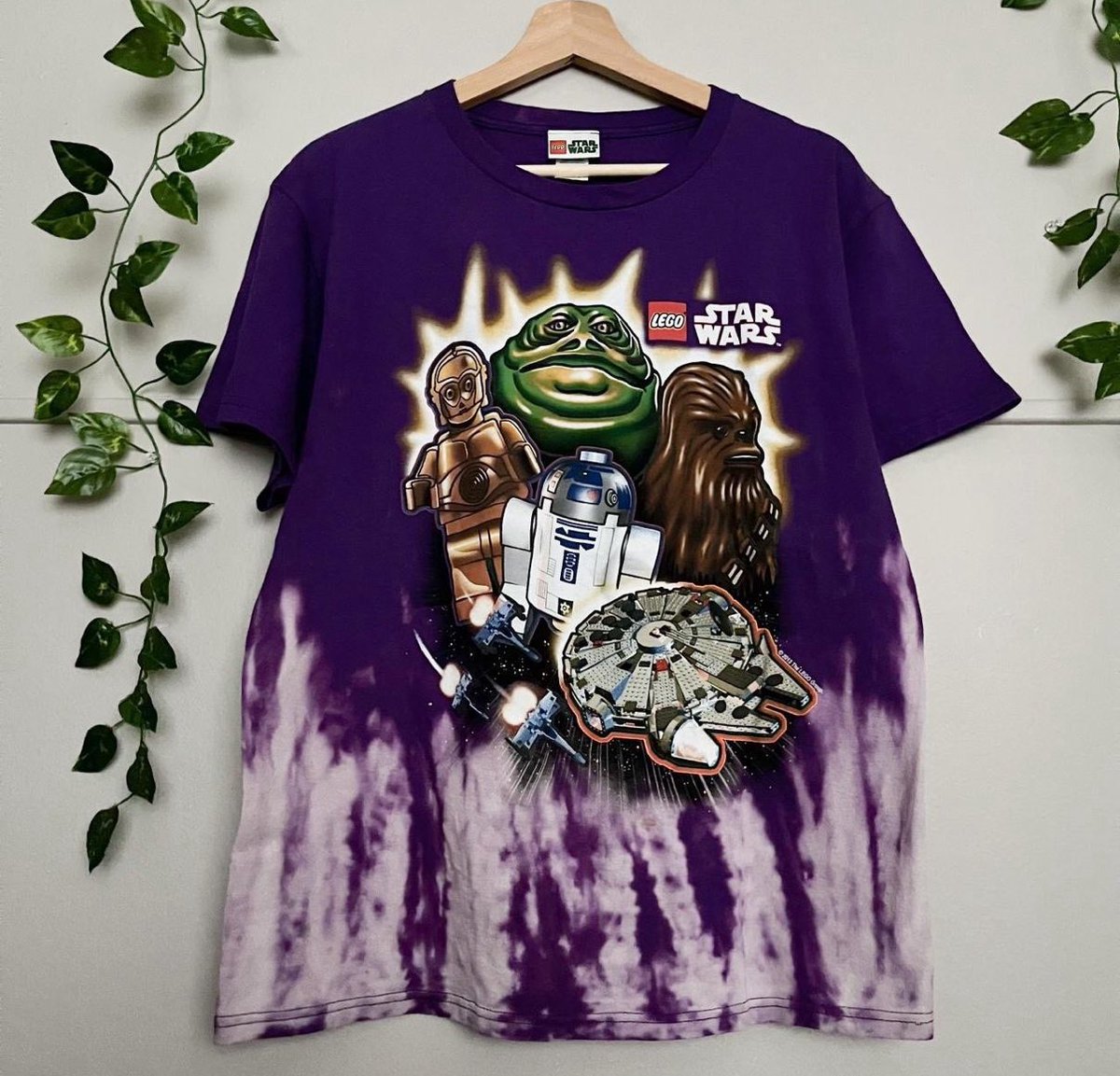
Photo: Vintage thrift tee in rotation — via @StarWarsThrift

Photo: Vintage tee representation — via @StarWarsThrift

Photo: Thrift vintage tee find — via @taymabelitini

Photo: Band tee vintage energy — via @enviousirises

Photo: Band tee styling second angle — via @enviousirises
Why Vintage Graphic Tees Hold Value in 2026
Nostalgia for the 1990s and early 2000s matured into a paying market. The graphic-tee revival made people look harder at old shirts. Supply of authentic examples is finite. Bootlegs from the 1980s and 1990s often carry more cultural heat than licensed versions.
What Makes a Vintage Tee Valuable
- Specific cultural moment (tour, championship, film)
- Strong original graphic that still photographs well
- Heavyweight or midweight cotton that held shape
- Authentic wear short of destruction
- Scarcity of design or size
Soft fading and minor print cracking are often preferred to pristine deadstock.
Social Proof: Thrift and Vintage Tee Culture
Practical Reality for Most People
Most thrift finds will never sell for four figures. The useful takeaway is narrower: shirts that feel personal, specific, and well-made tend to age better both emotionally and financially than seasonal fashion buys. If a graphic tee already lives in your rotation and still looks good after years of wear, it is doing the job the collector market is publicly rewarding.
For buyers who want the look without auction prices, heavyweight new blanks with strong, specific graphics remain the practical path. For collectors, condition notes, tag eras, and provenance matter more than almost any other detail.
How to Evaluate a Vintage Graphic Tee Before You Buy
Look at the graphic first. Is it specific to a tour, team, film, or place, or is it a generic iron-on that could have been printed any year? Specificity drives value.
Then check fabric and wear. Soft fading and light cracking can be desirable. Large holes, armpit staining, and destroyed prints usually are not. Tags help date a shirt, but provenance and visual strength matter more than a perfect label for most everyday collectors.
Finally, decide whether you are buying to wear or to store. Wearable value and auction value are related but not identical. A shirt that looks great on a body can still be a weak listing online if the design is common.
Vintage vs Vintage-Style
New “vintage-style” tees capture wash and print effects without scarcity. They are valid wardrobe pieces. They are not the same asset class as authentic older merch. Knowing which market you are in prevents expensive confusion.
Where Americans Are Finding Vintage Graphic Tees in 2026
Thrift stores still produce surprises, especially outside major coastal cities. Online marketplaces offer selection at the cost of shipping and authenticity risk. Estate sales and family closets remain underrated sources for shirts with real wear history.
Wherever you buy, inspect photos carefully for print integrity and fabric thinning. The best deals are often local, where you can touch the shirt before you commit.
Frequently Asked Questions
Which vintage tees hold value best?
Band and tour merch from the 1980s–early 2000s, championship sports graphics, early movie merch, and regional bootlegs.
Does damage kill vintage tee value?
Not always. Soft fading and light wear are often accepted. Large holes and destroyed graphics usually hurt price.
Are new vintage-style tees a substitute?
They capture the look, not the scarcity. Fine for wearing; different category for collecting.
Is the vintage tee market a bubble?
Parts are speculative. Preference for substantial, characterful graphics looks more durable than any single price spike.
Related Reading
Author: Shivam Das