How does a decades-old local murder case become a three-part HBO documentary? In The Pet Cemetery Murders: A Ghost Story, production company Lightbox and director Philip Cairney return to the 1985 disappearance and killing of Dorothy Lou Thompson, owner of the Azalea Original Pet Cemetery in Louisiana. The series combines the documented criminal case with interviews and accounts about the community’s history and reported supernatural experiences.
HBO’s published announcement describes a three-part series directed by Cairney and produced by Lightbox for HBO Documentary Films. The announced premiere is October 11, 2026, with subsequent episodes scheduled weekly. The production credits identify Simon Chinn, Jonathan Chinn and other executive producers. Those credits establish who made the series; they do not, by themselves, verify every claim discussed on screen.
From a local cold case to a three-part story
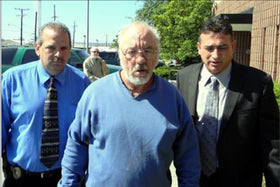
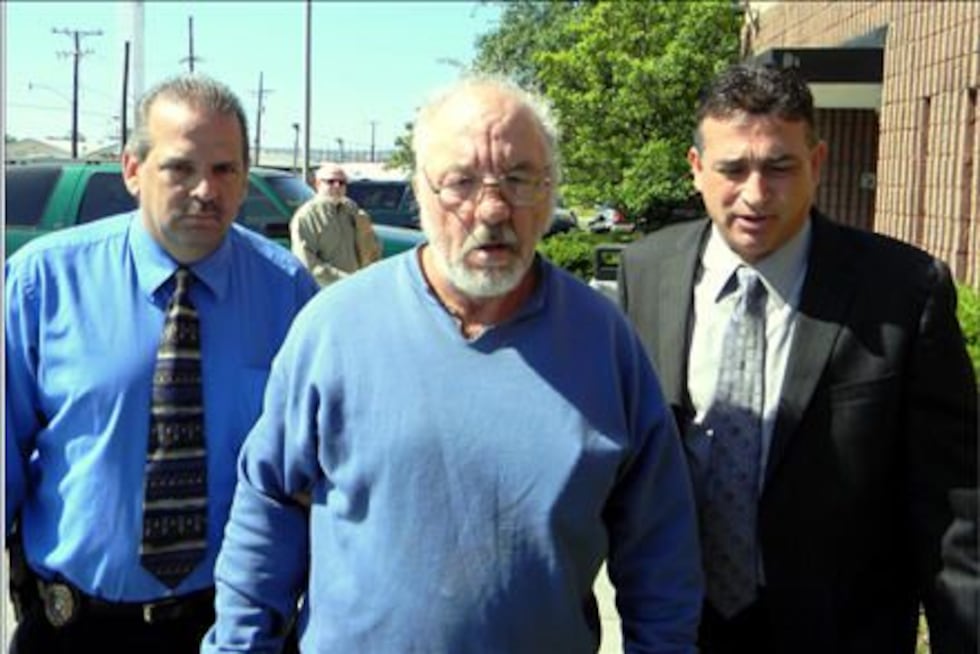
Thompson disappeared in April 1985, and her body was found in the Mississippi River on May 2 of that year. The investigation did not lead to an immediate prosecution. In 2009, authorities revisited the case; later witness information contributed to the investigation that led to Brandon Nodier’s 2012 indictment. In 2014, Nodier pleaded guilty to manslaughter and received a 10-year sentence.
That timeline gives the series a factual spine: a disappearance, a body recovered far from the cemetery property, a long gap in the investigation, witnesses who came forward years later, and a plea that resolved the criminal case. A responsible account must also make clear that a manslaughter plea is not the same as a jury verdict finding a defendant guilty of second-degree murder.
Why the cemetery matters to the documentary
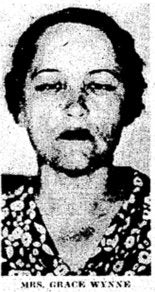
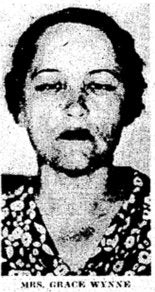
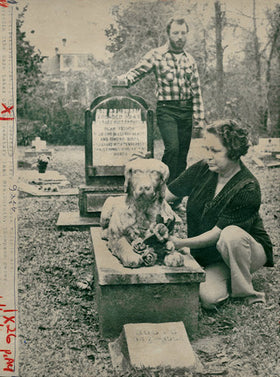
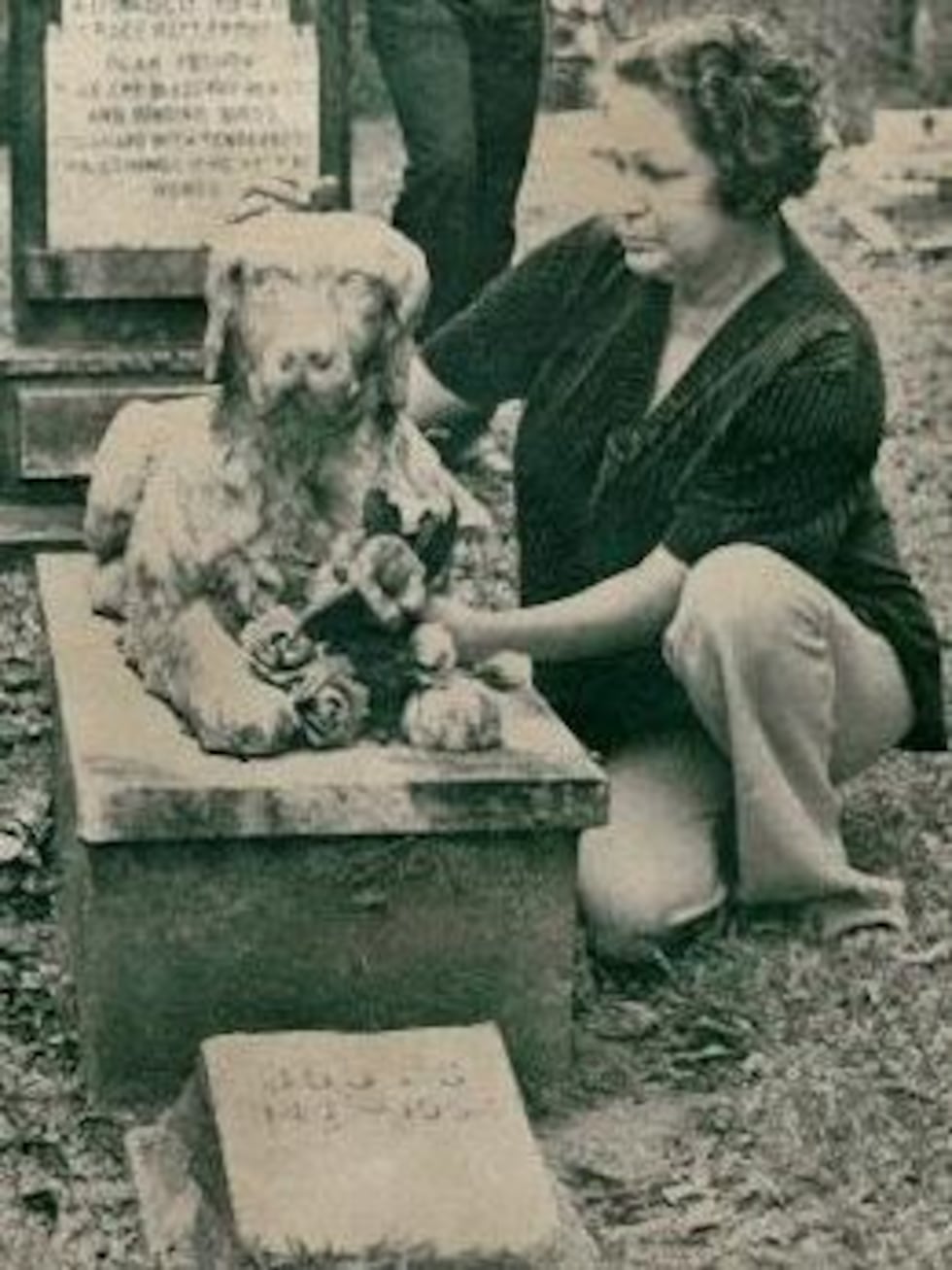
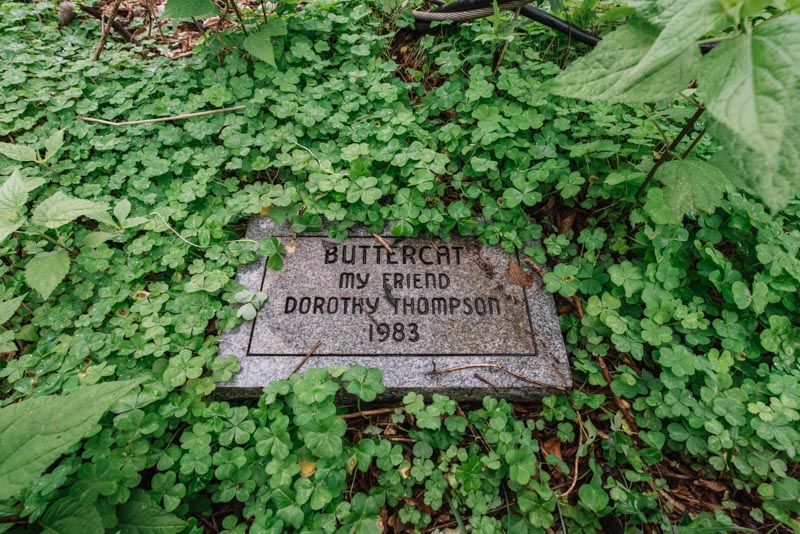
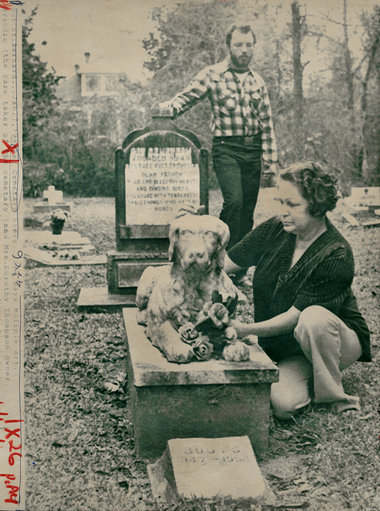
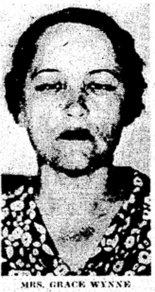
The Azalea Original Pet Cemetery is more than a striking title. It locates the case in a specific place and history, while its reputation and local folklore help explain why the story has acquired a supernatural dimension. Historical accounts describe the cemetery as a business founded by Grace Wynne Thompson. The site’s past and the people connected to it provide documentary context, but folklore should not be confused with evidence in a criminal case.
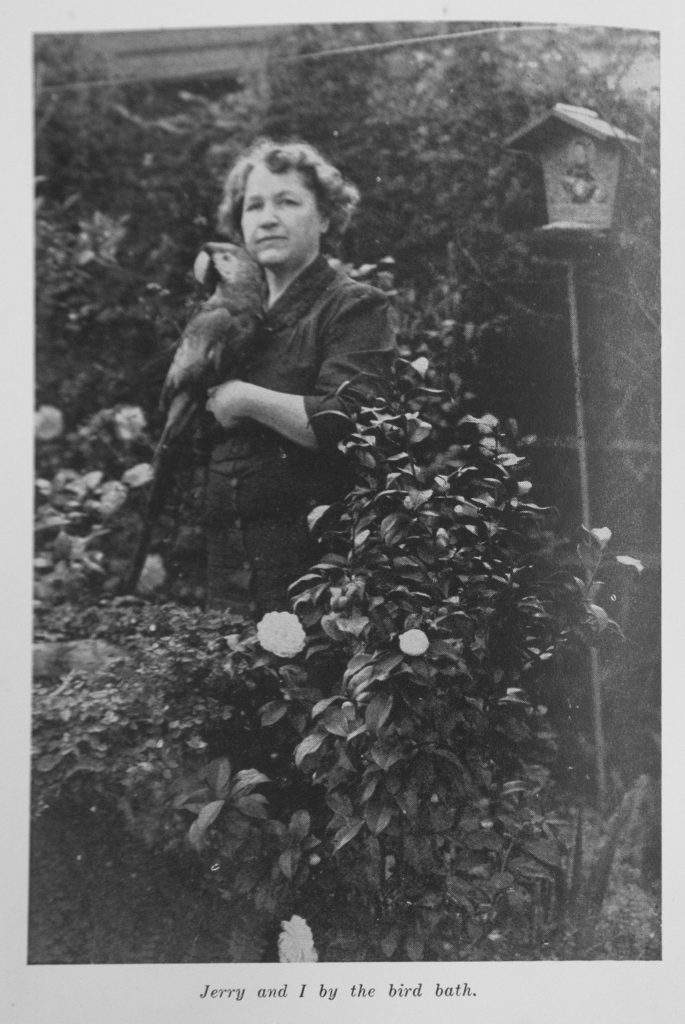
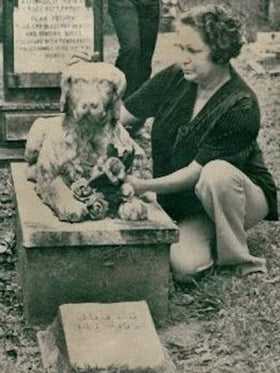
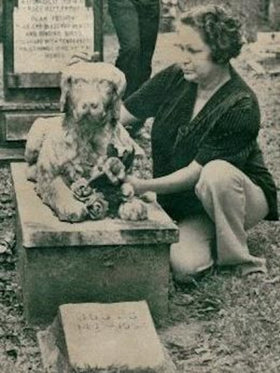
An archival photograph associated with the cemetery and its grounds can help viewers place the story in its physical setting. Historical images are not automatically proof of a disputed event, so captions and source attribution matter—especially when images circulate online without context.
How Lightbox’s documentary approach works
Lightbox describes itself as a documentary and media company working across platforms. Its broader catalogue includes character-led documentaries and investigative stories, and its official project archive lists The Pet Cemetery Murders: A Ghost Story. The company’s role here is to shape interviews, archival material and the timeline into a coherent screen narrative.
For a case with a decades-long gap, that structure can help audiences follow the sequence of events. It also creates a responsibility: dramatic pacing should not make allegations sound like findings, imply a motive is proven when it is disputed, or present a reported ghost encounter as independently verified fact.
What the official episode descriptions say
HBO’s published episode descriptions outline a progression: the initial cold-case investigation, a later witness with an unexpected admission, and a finale that broadens the lens to the community’s violent history. The descriptions give viewers a guide to the series, but they are not a substitute for the underlying court record or independent corroboration.
Episode three’s official synopsis refers to a wider history that includes murders and mobsters. That is a description of the documentary’s scope, not enough on its own to establish a particular criminal organization’s role in Thompson’s murder. Any specific claim should be tied to the evidence and attributed to the person or record making it.
Official trailer and law-enforcement source
Watch the series trailer below, and consult the Sheriff’s Office’s public case summary for the documented legal outcome. These are different kinds of sources: a trailer promotes the production, while the official law-enforcement statement provides the department’s account of the case.