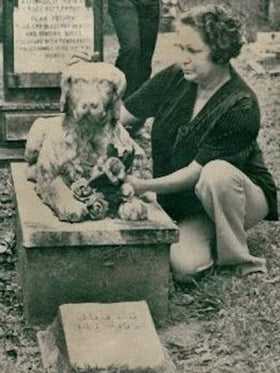
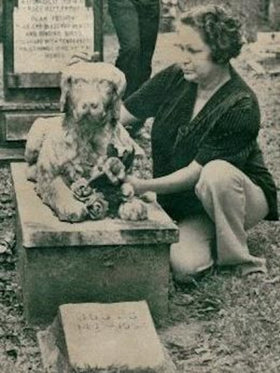
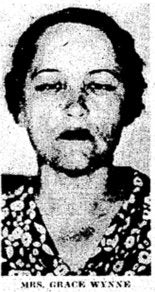
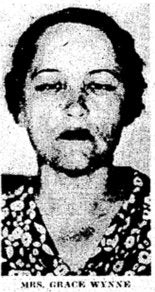
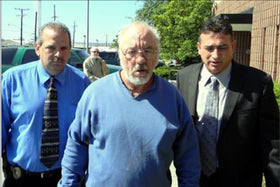
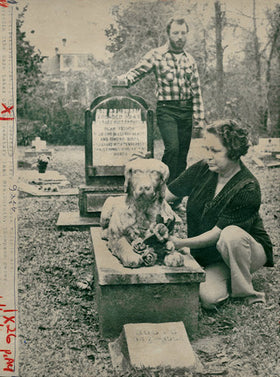
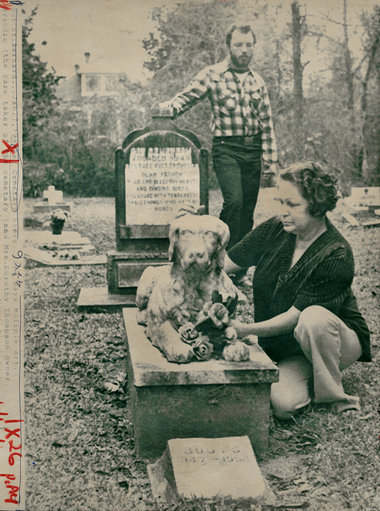
Dorothy Lou Thompson disappeared in April 1985, and her body was found in the Mississippi River on May 2. Investigators suspected Brandon Nodier, a handyman involved in a bitter dispute over Thompson’s pet cemetery property, but the case lacked enough evidence for an immediate arrest. Nearly 27 years passed before Nodier was indicted in 2012; in July 2014, he pleaded guilty to manslaughter and received a 10-year sentence.
Why did it take so long? The public record points to a combination of limited evidence, witnesses who did not come forward for years, a renewed investigation beginning in 2009, and difficulties preparing a case decades after the crime. The record does not establish a single reason for every delay, so this article separates documented milestones from attributed claims.
1985: A suspected motive, but not enough evidence
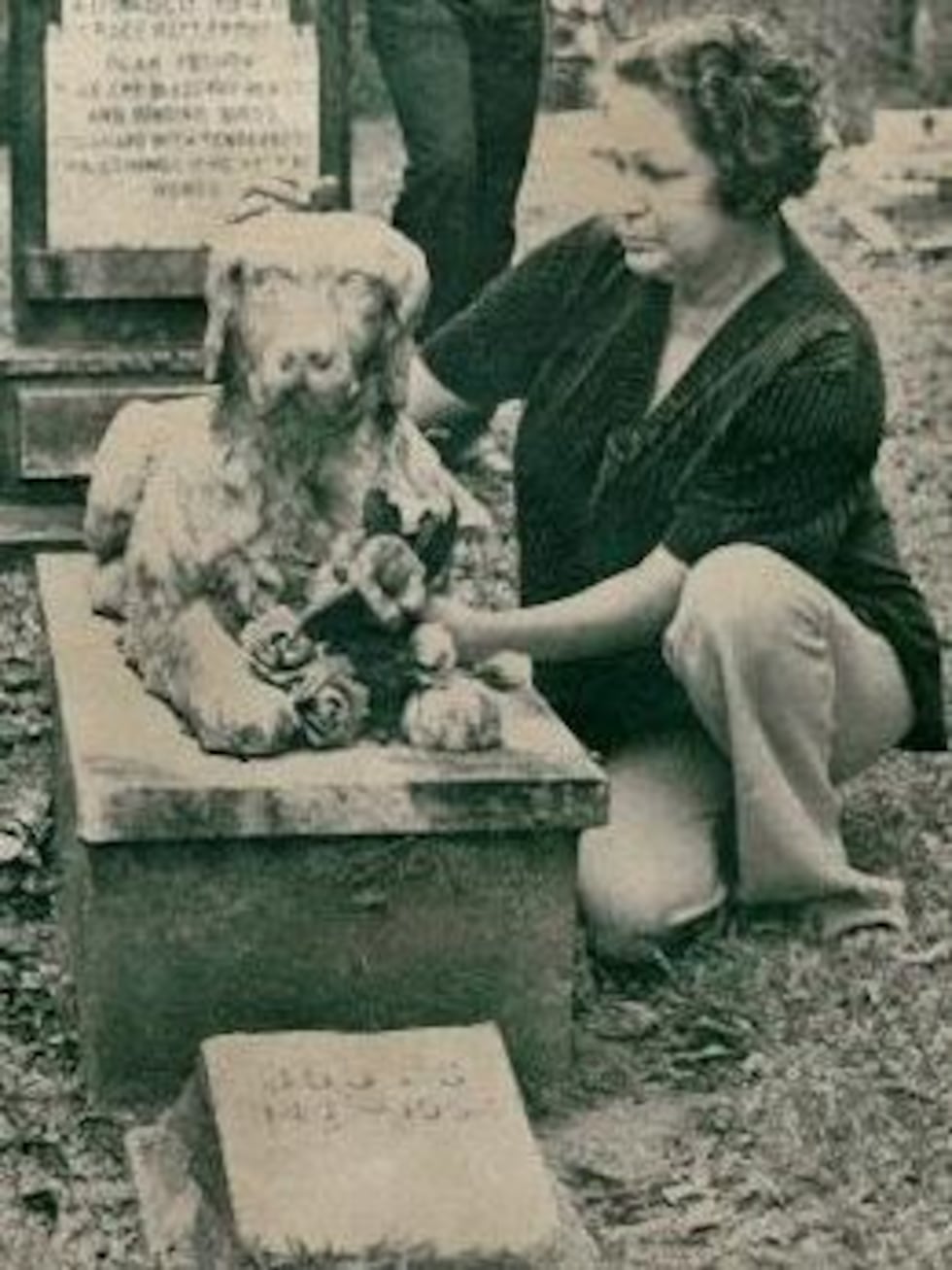
Thompson’s disappearance came amid a legal fight over the cemetery land. Investigators later said the dispute was a possible motive: Thompson had challenged a property transfer and was due in court shortly before she vanished. Nodier had worked as a handyman for Thompson and her mother and was an early suspect, but authorities initially said they lacked evidence needed to arrest him.
On May 2, 1985, fishermen discovered Thompson’s body on the east bank of the Mississippi River in Plaquemines Parish. Officials reported that she died from asphyxia. The discovery established that a homicide had occurred, but the investigation did not immediately produce a prosecution.
2009: The cold case is reopened
St. Bernard Parish Sheriff’s Office Colonel John Doran and other investigators reopened the case in 2009. Reporting says detectives revisited the original file, contacted people connected to the first investigation and followed up on new information. An anonymous caller alleged that Nodier had spoken about killing Thompson. The caller also described a ghostly experience; that supernatural detail is an attributed account, not independently verified evidence.
The important investigative step was that the tip gave detectives leads they could test through interviews and records. A cold case can remain unresolved even when investigators have a strong suspect: suspicions must be supported by evidence that can be presented in court.
2012: A witness comes forward
A further turning point came in 2012, when James J. Tregler, a former assistant groundskeeper who was in custody on an unrelated matter, contacted authorities and said he had witnessed the killing. Reports say he had kept silent for years because he feared Nodier. His account helped advance the case, but it was still witness testimony and would have needed to withstand scrutiny at trial.
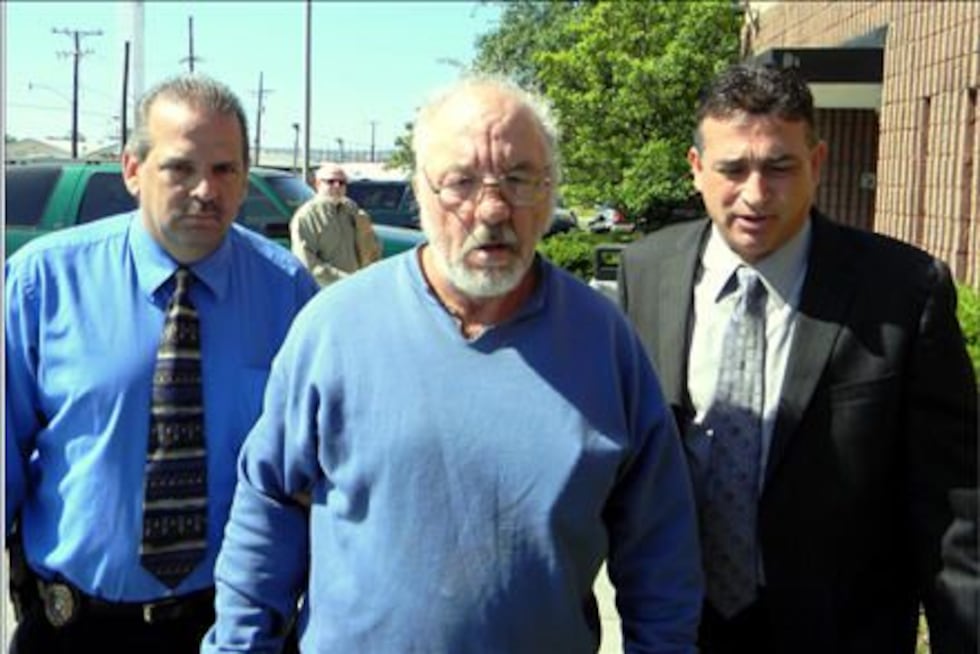
On April 25, 2012, Nodier surrendered after a grand jury indicted him on second-degree murder charges. The indictment was a formal accusation, not a conviction. The case was now moving toward prosecution, but the age of the crime posed practical challenges: witnesses’ memories can fade, physical evidence can be lost, and a reluctant witness can make a trial uncertain.
Why prosecutors accepted a plea deal in 2014
In July 2014, Nodier pleaded guilty to manslaughter under a plea agreement and was sentenced to 10 years in prison. FOX 8 reported that the prosecution relied heavily on the witness who came forward in 2012, while officials acknowledged the risks of taking the case to trial with limited evidence. A&E’s 2026 overview also reports that key evidence had been lost during Hurricane Katrina and that the eyewitness was hesitant to testify.
The outcome was a guilty plea to manslaughter—not a jury verdict finding Nodier guilty of second-degree murder. That distinction matters when describing the case accurately. The plea resolved the criminal case, but it did not answer every question about what happened in 1985 or why so much time passed before prosecution.
Timeline: from murder to plea
- April 1985: Thompson disappears during a dispute over her property.
- May 2, 1985: Her body is found in the Mississippi River in Plaquemines Parish.
- 2009: Colonel John Doran and investigators reopen the cold case.
- April 2012: Nodier is indicted on second-degree murder charges and surrenders to authorities.
- July 2014: Nodier pleads guilty to manslaughter and receives a 10-year sentence.
Official case-related social post
The St. Bernard Parish Sheriff’s Office has shared case-related information on its official Facebook page. The post below is included as a source reference; social posts are not a substitute for court records or the complete investigative file. Facebook may require login or cookies to load.
Open the original St. Bernard Parish Sheriff’s Office Facebook post.