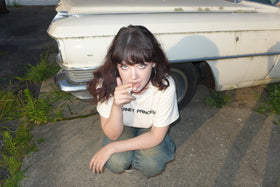
Photo via @jwatsonfisher on X / Twitter
Cat surfing on a pizza t-shirt
— @jwatsonfisher View on X

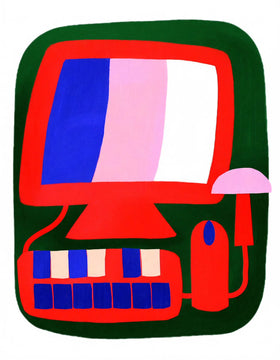
Photo via @mhhegazy on X / Twitter
Love the ramen profitable T-shirt
— @mhhegazy View on X
While the loud end of 2026 graphic-tee culture has been dominated by manifesto slogans, tourist destinations, and institutional irony, a quieter lane has been filling with something simpler: food.
Pizza slices with faces. Steaming ramen bowls. Coffee cups drawn like characters. Tinned-fish motifs that somehow look elegant. Restaurant merch that treats a sandwich or a slice as seriously as a band logo. These are not novelty gag gifts. They are becoming the shirts people actually reach for when they want a graphic that feels good instead of clever.
Where the Trend Is Coming From
Print-on-demand platforms and design reports for 2026 have been flagging “food art” and “whimsical food illustrations” as an emerging category for months. The same visual language is showing up in independent restaurant merch — pizza shops, coffee bars, and neighborhood spots that once sold only plain logo tees are now printing character-driven food graphics that customers ask to buy.
The aesthetic borrows from a few places at once: hand-drawn European menu illustration, kawaii food characters, 1950s Americana cartoon food, and the current social-media habit of treating everyday meals as content. The result is maximalist without being aggressive. A good food-art tee does not lecture. It just looks delicious.
Why It Works Right Now
Most of the year’s big graphic moments have carried some form of attitude — irony, status, politics, or nostalgia for a specific cultural reference. Food art sits outside that. It is closer to comfort. People already wear what they love. Putting a favorite dish or a favorite café’s visual language on a shirt is a low-stakes way to do the same thing.
The silhouettes help. Many of the better examples are landing on the same heavyweight, boxy, or slightly oversized blanks that define the rest of 2026’s successful graphic tees. The illustration does the talking; the fit keeps it current.
Restaurant-driven pieces add another layer. When a local pizza place or coffee shop sells a limited shirt with its own illustrated food character, the purchase feels closer to a souvenir of a real place than to a random internet design. That authenticity is hard to fake at mass scale.
What Is Actually Selling
The strongest motifs right now cluster around a few categories:
- Pizza and slice characters with exaggerated expressions
- Ramen and noodle bowls, often with Japanese-inspired line work
- Coffee cups, moka pots, and café still-lifes
- Tinned fish and sardine illustrations that lean painterly rather than cartoonish
- Full table or trattoria scenes that feel like miniature menus
Pricing stays accessible. Most independent and POD versions sit between $20 and $35 — the same band as other intentional graphic tees this year. The difference is emotional temperature. These shirts tend to get worn more days in a row because they do not demand a mood to match.
How It Fits the Larger Graphic-Tee Moment
2026 has rewarded specificity. Tourist tees work because they name a place. Manifesto tees work because they name a feeling. Food-art tees work because they name something almost everyone already has a relationship with. The best ones avoid puns and lean into illustration quality instead. When the drawing is strong enough, the shirt does not need a slogan.
That is the quiet advantage. In a year full of statements, a well-drawn pizza still looks like pleasure.
Food illustrations work because they skip the lecture
Slogan tees tell people what to think. Food-art tees show a pizza slice, a ramen bowl, or a coffee cup and let the wearer stay light. In a year crowded with manifesto graphics and political chest text, that softness is a competitive advantage. American shoppers still want personality on a shirt; they are simply tired of being talked at by their own collar.
Print-on-demand and small labels noticed the same shift. Illustration-led food graphics photograph cleanly for product pages, travel well across age groups, and do not require a subculture decoder ring. A well-drawn ramen bowl on heavyweight cotton reads as design, not novelty junk — which is the line that separates a one-wear gag from a repeat shirt.
How to choose a food-art tee that lasts
Look for midweight fabric, placement that does not crack at the fold, and artwork with real line quality. If the pizza looks like clip art, it will look worse after three washes. If it looks like a poster you would hang, it will survive the season.
Quick answer: Why are food-art graphic tees trending in 2026?
Pizza, ramen, and coffee illustrations feel joyful without another empty slogan. Food-art graphic tees give Americans a soft, shareable print that photographs well and still reads as an elevated basic on heavyweight cotton.
SEO terms to know
Food art T-shirt, pizza graphic tee, ramen shirt, coffee illustration tee, maximalist food streetwear — these queries sit between novelty merch and intentional graphic design.

Photo via @mhhegazy on X / Twitter
Ramen profitable food graphic T-shirt
— @mhhegazy View on X

Photo via @Tohira170341 on X / Twitter
Funny Gamer Battle Plan Pizza Level Up T-Shirt Design
— @Tohira170341 View on X
FAQ: Food-Art Graphic Tees in 2026
Is food-art really a distinct trend or just novelty merch?
Design and POD reports for 2026 list food art and whimsical food illustrations as an emerging apparel category. Independent restaurants are also treating illustrated food graphics as core merch rather than side jokes, which suggests the demand is real and sustained.
What food motifs are strongest right now?
Pizza characters, ramen bowls, coffee and café still-lifes, painterly tinned-fish designs, and full table or trattoria scenes appear most often across both POD platforms and restaurant merch.
Do these work with the heavyweight and boxy fits of 2026?
Yes. The better examples are being printed on the same elevated blanks used for slogan and tourist tees — heavier cotton, relaxed or boxy cuts — so the illustration sits inside the current silhouette language rather than looking like a throwback novelty shirt.
Are restaurant food tees different from random internet designs?
Often yes. Limited shirts tied to a real café or pizza shop carry place-based authenticity that generic POD designs lack. That distinction is part of why certain restaurant drops sell out while pure novelty food puns do not.
Who is buying them?
The audience overlaps with the broader graphic-tee buyer of 2026 — people who want a shirt that says something specific about them — but skews toward buyers who prefer warmth and recognition over irony or status signaling.
What fabric works best for food-art graphic tees?
Midweight to heavyweight cotton holds illustration detail better than ultra-thin blanks. A stable print surface keeps pizza, ramen, and coffee artwork from cracking after a few washes.
Related video
Watch coverage tied to this story:
Sources and further reading
Reporting and primary references used for this article:
- Who What Wear: butter yellow and everyday graphic styling context 2026
- WWD: graphic T-shirt high-fashion comeback 2026
Related reading on graphic tees and 2026 trends
Continue with these closely related stories on the same blog:
- Butter Yellow and Chocolate Brown Graphic Tee Bases
- Zara and adidas World Cup 2026 Everyday Graphic Tees
- Modern Gothic and Subverted-Logo Black Tees
Author: Shivam Das