In practical terms, this story fits a larger pattern in American casual fashion: people are choosing T-shirts that feel specific. Not louder for the sake of noise, and not blank for the sake of luxury signaling — specific. That might mean a better fabric weight, a clearer graphic, a more modern silhouette, or a color that actually shows up in daylight photos. The common thread is intention.
That is also why thin, disposable blanks are losing cultural ground even when they remain widely available. Shoppers can feel the difference between a shirt built for one season of content and a shirt built for repeated real-world wear. In 2026, the second category is the one earning loyalty.
Tie-dye had its moment. It peaked hard around 2020–2021 and then slowly became background noise. In 2026 the clean alternative is already clear: retro stripes.
Fashion editors have been saying it out loud for months. Coverage listed tie-dye as dated and pointed directly at colorful, old-school striped tees as the replacement. The shift is visible on sidewalks, in fall collections, and in the long-sleeve versions that are now showing up under jackets and blazers.
If you searched striped tee 2026, ringer tee trend, or “is tie-dye out,” the answer on American streets is already written in horizontal lines.

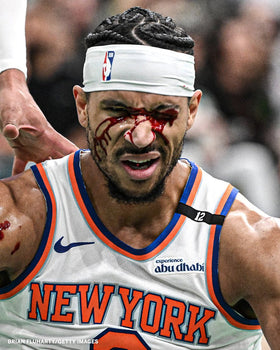
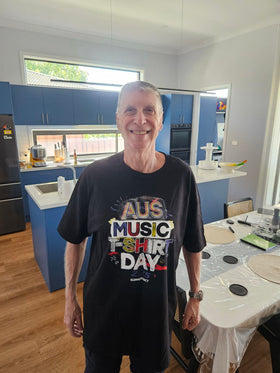
Photo via @markjistyle on X — oversize ringer tee

Photo via @PageSix on X — statement tee styling reference
What “Retro Stripes” Actually Look Like
These are not thin formal pinstripes. The versions winning right now feel like something from a 1970s or 1990s closet — wider bands, stronger contrast, sometimes slightly faded or vintage-washed. Think bold horizontal stripes in combinations that still feel playful: navy and white, red and cream, mustard and black, or multi-color sets that stop short of looking like a soccer jersey.
Ringer tees — contrast collar and sleeve cuffs — and baseball-style raglan sleeves sit in the same family. Both carry the same nostalgic sportswear energy without requiring a logo or slogan.
Why Stripes Won and Tie-Dye Lost
Tie-dye is inherently chaotic. That chaos felt fresh when everyone was stuck at home and looking for visual noise. Once daily life returned to normal, the same shirts started to feel busy and dated. Stripes offer structure. They still add personality, but they read as intentional rather than accidental.
Stripes also layer more easily. A striped long-sleeve tee under an open shirt or blazer looks polished. The same combination with a loud tie-dye pattern often fights itself. For fall 2026 that practical advantage matters.
How People Are Wearing Them Right Now
The most common formula is simple. Retro striped tee or long-sleeve with clean denim or wide-leg trousers. Sneakers or loafers. Minimal accessories so the stripes stay the main visual interest. Some wearers are treating the stronger multi-color versions as the statement piece of an otherwise neutral outfit.
Long-sleeve striped tees have become especially useful in early fall. Brands across the mid and premium market have pushed versions that work under jackets without adding bulk. The look feels casual but more considered than a plain white or black long-sleeve.
The Broader Context
This sits inside the larger 2026 preference for clothes that feel personal without being loud for the sake of it. Graphic tees, tourist tees, and oversized silhouettes all share that same energy. Retro stripes deliver personality through pattern instead of text or illustration, which makes them easier to wear every day.
Tie-dye will cycle back eventually. Trends always do. For the current moment, though, the clean lines and nostalgic sportswear references of striped tees are the ones that look current on American streets.
Quick Answer: Have Striped Tees Replaced Tie-Dye?
Yes as the dominant casual print direction in 2026. Structured retro stripes and ringer styles are what look current right now.
Why This Print Shift Matters for Everyday American Style
Print trends often feel like fashion-insider noise until they show up in real shopping carts. The move from tie-dye to retro striped tees is different because it solves a practical problem. Americans still want personality in a T-shirt, but they also need pieces that work under a jacket on a Tuesday, not only at a festival.
Stripes give you that middle path. They read as intentional on camera and in person. They do not demand a full “look.” A navy-and-white striped long-sleeve under a chore coat with straight denim is already a complete outfit. That is why the trend is sticking into fall 2026 instead of fading with summer heat.
Retailers have noticed. Mid-market brands are pushing wider horizontal stripes and ringer collars because returns are lower when a print still looks current after a few months. For shoppers, the buying rule is simple: choose contrast you can live with, fabric with enough weight to hold the stripe clean, and a fit that matches the oversized or boxy proportions already dominating closets.
Frequently Asked Questions
Is tie-dye completely out in 2026?
It is no longer the dominant print trend. Fashion coverage and street style have clearly moved toward structured retro stripes, ringer tees, and cleaner graphic approaches.
What kind of stripes work best right now?
Wider, higher-contrast horizontal stripes with a slightly vintage or sportswear feel. Thin formal pinstripes and extremely busy multi-color patterns are less relevant.
Do striped tees work for fall?
Yes. Long-sleeve versions are particularly strong right now and layer easily under jackets, overshirts, and blazers.
Are ringer tees and baseball tees part of the same trend?
Yes. Both share the same nostalgic sportswear DNA and are being styled in similar ways to the retro striped crewnecks.